

Das KI-Playbook für Gebrauchtwagenhändler: Gewinn & Effizienz bei Akquise, Merchandising und Verkauf steigern
Ihre Gebrauchtwagenabteilung ertrinkt in manueller Arbeit, während Ihre Margen monatlich schrumpfen. Sie verbringen Stunden damit, Inzahlungnahmen mit Bauchgefühl und veralteten Vergleichswerten zu bewerten. Ihr Merchandising-Team ist mit der Fotobearbeitung und dem Schreiben von Beschreibungen überlastet. Währenddessen steht Ihr Inventar länger als es sollte, und Ihre besten Mitarbeiter brennen an Aufgaben aus, die eine Maschine in Sekunden erledigen könnte.
Der Gebrauchtwagenmarkt verlangsamt sich nicht, aber die Rentabilität wird immer schwieriger zu schützen. Zinssätze, Anschaffungskosten und Kundenerwartungen wirken sich alle gegen Sie aus. Die Händler, die derzeit gewinnen, arbeiten nicht härter. Sie nutzen KI, um schneller zu agieren, intelligenter zu bepreisen und das Inventar besser zu präsentieren als jeder, der sich auf Tabellenkalkulationen und manuelle Prozesse verlässt.
Dieses Playbook zeigt Ihnen genau, wie Sie KI in Ihrem gesamten Gebrauchtwagenbetrieb einsetzen können. Keine Theorie. Kein Hype. Ein Schritt-für-Schritt-System, um besseres Inventar zu akquirieren, es schneller zu vermarkten und profitabel zu verkaufen, während Ihre Konkurrenz noch darüber streitet, ob KI real ist.
Der Gebrauchtwagen-Boom: Warum KI Ihr neuer Co-Pilot für den Gewinn
Die Nachfrage nach Gebrauchtwagen bleibt stark, aber das leichte Geld ist weg. Auktionspreise sind volatil. Privatanbieter wissen, was ihre Autos wert sind, weil sie bereits drei Apps überprüft haben. Ihre Aufbereitungskosten sind nicht gesunken. Und Kunden erwarten eine Händler-gerechte Präsentation auf jeder VDP, sonst scrollen sie zur nächsten Anzeige.
Manuelle Bewertungsprozesse können nicht mithalten. Ihr Gebrauchtwagenmanager trifft Akquisitionsentscheidungen basierend auf Black Book, aktuellen Verkäufen und Instinkt. Das funktionierte, als Sie mehr Spielraum für Fehler hatten. Jetzt kostet Sie ein einziger Fehlkauf wochenlange Standmiete und Aufbereitungskosten, die Sie nie wieder hereinholen werden.
KI ersetzt nicht das Urteilsvermögen Ihres Teams. Sie beseitigt das Rätselraten und liefert ihnen bessere Daten, schneller. Anstatt 20 Minuten mit der Recherche von Vergleichswerten und der Berechnung von Aufbereitungskosten zu verbringen, erhält Ihr Gutachter eine sofortige Marktanalyse, die die lokale Nachfrage, die Tagesversorgung nach Ausstattung und Echtzeit-Einzelhandelspreistrends berücksichtigt. Sie treffen die Entscheidung. KI macht sie nur zu einer informierten.
Die Effizienzgewinne zeigen sich überall. Schnellere Bewertungen bedeuten mehr Inzahlungnahmebewertungen pro Tag. Bessere Akquisitionsdaten bedeuten weniger alte Einheiten. Automatisiertes Merchandising bedeutet, dass Ihr Inventar fotobereit und konsistent beschrieben auf den Hof kommt. All dies führt zu schnelleren Umschlagzeiten und geschütztem Bruttogewinn.
Das Fazit: KI ermöglicht es Ihnen, die Entscheidungsqualität Ihrer besten Mitarbeiter in Ihrem gesamten Betrieb zu skalieren, ohne zusätzliches Personal einzustellen.
Spiel 1: KI-gestützte Akquise
Bei der Akquise wird Gewinn gemacht oder verloren. Kaufen Sie falsch, und keine Marketingmaßnahme wird den Deal retten. Kaufen Sie richtig, und das Auto verkauft sich praktisch von selbst. KI verwandelt die Akquise von einer Kunst in ein wiederholbares, datengesteuertes System.
KI als überlegener Fahrzeugwertschätzer
Traditionelle Bewertungstools geben Ihnen eine Spanne. KI gibt Ihnen eine Empfehlung basierend auf dem, was derzeit tatsächlich auf Ihrem Markt verkauft wird. Sie nimmt Ihr lokales Inventar, die Preise der Wettbewerber, aktuelle Auktionsergebnisse und das Suchverhalten der Verbraucher auf, um ein präzises Akquisitionsziel zu generieren.
So funktioniert es in der Praxis. Ein Kunde kommt mit einer Inzahlungnahme herein. Ihr Gutachter scannt die VIN. Anstatt manuell drei verschiedene Tools abzugleichen, liefert die KI sofort einen Bericht, der aktuelle Einzelhandelsvergleichswerte innerhalb von 50 Meilen, die durchschnittliche Standzeit für dieses Jahr/diese Marke/dieses Modell/diese Ausstattung, Schätzungen der Aufbereitungskosten basierend auf Ihren historischen Daten und einen empfohlenen Ankaufspreis, der Ihre Marge schützt, anzeigt.
Sie raten nicht. Sie agieren mit der gleichen Datenintelligenz, auf der Carvana und CarMax milliardenschwere Unternehmen aufgebaut haben. Der Unterschied ist, dass Sie jetzt ähnliche Funktionen nutzen können, ohne ein Tech-Team aufbauen zu müssen.
Erschließung von Service-Lane- und Privatanbieter-Leads
Ihre Serviceannahme ist eine Goldgrube, die die meisten Händler untergraben. Kunden bringen Ihnen täglich Autos, die Ihre nächste Verkaufseinheit sein könnten, aber Ihre Serviceberater sind keine geschulten Gutachter und haben keine Zeit, jeden Kunden durch eine Inzahlungnahmebewertung zu führen.
KI ändert die Gleichung. Integrieren Sie ein einfaches Bewertungstool in Ihren Service-Check-in-Prozess. Der Berater scannt die VIN, das System generiert eine sofortige Spanne, und der Kunde erhält eine SMS mit einem festen Angebot, bevor er die Werkstatt verlässt. Keine Reibung. Kein Warten. Keine verlorene Gelegenheit, weil Ihr Gebrauchtwagenmanager auf der Auktion war.
Für Privatanbieter ermöglicht Ihnen KI, mit den Sofort-Angebotsplattformen zu konkurrieren. Wenn jemand Ihr Online-Bewertungsformular ausfüllt, erwartet er schnell eine echte Zahl. Manuelle Prozesse dauern Stunden oder Tage. KI liefert ein vertretbares Angebot in weniger als zwei Minuten. Sie können es nach der Inspektion immer noch verfeinern, aber Geschwindigkeit gewinnt den Termin.
Automatisierung der Marktdatenanalyse jenseits von Vauto
Vauto revolutionierte die Preisgestaltung, erfordert aber immer noch menschliche Interpretation und manuelle Anpassungen. KI-Tools der nächsten Generation gehen weiter, indem sie kontinuierlich von Ihrem spezifischen Markt lernen und Empfehlungen automatisch anpassen, wenn sich die Bedingungen ändern.
Anstatt sich in ein Dashboard einzuloggen und Berichte auszuführen, überwacht die KI Ihr Inventar in Echtzeit und warnt Sie, wenn eine Einheit eine Preisanpassung benötigt, wenn ein Vergleichsobjekt verkauft wird, das Ihre Positionierung beeinflusst, oder wenn das Suchvolumen für einen Fahrzeugtyp, den Sie vorrätig haben, ansteigt. Sie ist proaktiv, nicht reaktiv.
Das bedeutet nicht, dass Sie die Kontrolle aufgeben. Es bedeutet, dass sich Ihr Team auf Strategie und Ausnahmen konzentriert, während das System die routinemäßige Überwachung und Kennzeichnung übernimmt. Ihr Gebrauchtwagenmanager verbringt nicht mehr jeden Morgen zwei Stunden damit, altes Inventar zu überprüfen, sondern nutzt diese Zeit für hochwertige Entscheidungen, wie z.B. welche Leasingrückläufer auf der Auktion verfolgt werden sollen.
Spiel 2: Intelligentes Merchandising im großen Maßstab
Sie wissen, dass gute Fotos und Beschreibungen Autos verkaufen. Das Problem ist, sie konsistent, schnell und in großem Maßstab zu erstellen. Ihr Merchandising-Prozess ist wahrscheinlich ein Engpass. Fotos kommen inkonsistent zurück. Beschreibungen werden kopiert und sind generisch. Virtuelle Touren sind manuell und teuer.
KI löst alle drei Probleme gleichzeitig.
Verwendung eines KI-Fotoeditors für konsistente, professionelle Bilder
Inkonsistente Hintergründe, schlechte Beleuchtung und unordentliche Parkplätze lassen Ihr Inventar billig aussehen. Kunden beurteilen die Qualität in den ersten drei Sekunden der Betrachtung einer VDP. Wenn Ihre Fotos aussehen, als wären sie in Eile hinter der Serviceannahme aufgenommen worden, gehen sie davon aus, dass das Auto auf die gleiche Weise vorbereitet wurde.
Ein KI-Fotoeditor standardisiert jedes Bild automatisch. Er entfernt störende Hintergründe, korrigiert Beleuchtung und Farbbalance und wendet die visuellen Standards Ihrer Marke auf jede Aufnahme an. Ihr Fotograf fotografiert das Auto, wo immer es steht. Die KI erledigt den Rest.
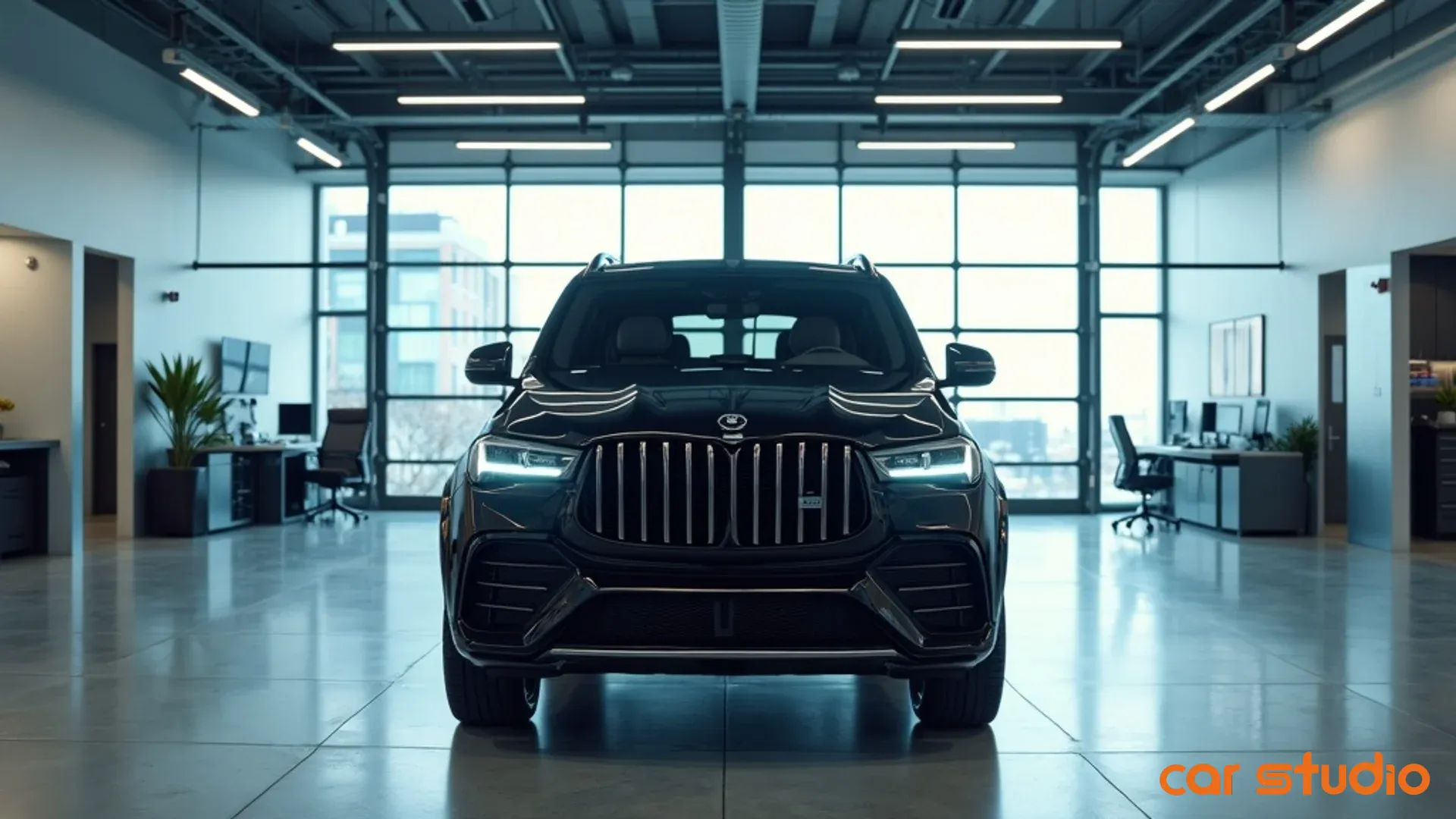
Hier geht es nicht darum, etwas vorzutäuschen. Es geht darum, Ihr Inventar professionell und konsistent zu präsentieren, damit sich die Kunden auf das Fahrzeug konzentrieren und nicht auf den Maschendrahtzaun oder den Ölfleck im Hintergrund. Plattformen wie Car Studio AI automatisieren den gesamten Prozess des Hintergrundaustauschs und der Verbesserung und verwandeln rohe Parkplatzfotos in Sekundenschnelle in Bilder in Showroom-Qualität.
Der Geschwindigkeitsvorteil ist enorm. Anstatt auf das richtige Wetter, die richtige Tageszeit oder den richtigen Platz auf dem Parkplatz zu warten, fotografiert Ihr Team Autos, sobald sie aus der Aufbereitung kommen. Die KI stellt sicher, dass jedes Bild Ihren Standards entspricht. Die Zeit bis zum ersten Foto sinkt von Tagen auf Stunden.
Konsistenz schafft auch Vertrauen. Wenn jedes Auto in Ihrem Inventar die gleiche professionelle Präsentation hat, nehmen Kunden Ihren Betrieb als organisiert und detailorientiert wahr. Diese Wahrnehmung überträgt sich auf ihre Erwartungen, wie Sie sie während des Verkaufs und danach behandeln werden.
Automatische Generierung überzeugender, datenreicher Fahrzeugbeschreibungen
Generische Beschreibungen verkaufen nicht. „Sauberer Carfax, läuft super, muss man gesehen haben“ sagt dem Kunden nichts und lässt Sie wie jeden anderen Händler klingen. Aber einzigartige, detaillierte, SEO-freundliche Beschreibungen für 150 Einheiten zu schreiben, ist ein Vollzeitjob niemand will.
KI schreibt Beschreibungen, die spezifisch, überzeugend und für die Suche optimiert sind. Sie zieht Daten aus der VIN, Ihrem DMS und Marktinformationen, um Texte zu generieren, die die richtigen Funktionen für den richtigen Käufer hervorheben. Ein Familien-SUV erhält eine andere Botschaft als ein Sportcoupé, und die KI kennt den Unterschied.
Die Ausgabe ist nicht roboterhaft. Moderne KI generiert natürliche, lesbare Texte, die klingen, als würde ein sachkundiger Verkäufer erklären, warum dieses spezielle Fahrzeug eine kluge Anschaffung ist. Sie enthält relevante Funktionen, lokalen Marktkontext, Finanzierungshilfen und Handlungsaufforderungen.
Sie behalten die Kontrolle. Überprüfen und bearbeiten Sie alles, was nicht zu Ihrer Markenstimme passt. Aber anstatt jeden Monat 150 Mal von einem leeren Blatt Papier aus zu beginnen, verfeinern Sie solide Entwürfe, die zu 80 % veröffentlichungsbereit sind. Die Produktivität Ihres Merchandising-Teams verdoppelt sich über Nacht.
Erstellung virtueller Rundgänge zur Steigerung des Engagements
Videos fördern das Engagement, aber die manuelle Erstellung von Rundgängen ist zeitaufwändig und inkonsistent. Ihr bester Verkäufer erstellt vielleicht ein großartiges Video. Ihr neuester Mitarbeiter filmt 30 Sekunden lang den Boden und vergisst, die Ausstattungsvariante zu erwähnen.
KI-generierte virtuelle Touren lösen das Konsistenzproblem. Das System verwendet Ihre Fotos, um ein geführtes Rundgang-Erlebnis zu erstellen, das wichtige Funktionen hervorhebt, Zustandsdetails aufzeigt und für jedes Fahrzeug die gleiche Qualität der Präsentation liefert. Einige Plattformen generieren sogar Voiceovers, die natürlich und markengerecht klingen.
Kunden verbringen mehr Zeit auf VDPs mit Video. Mehr Zeit auf der Seite bedeutet höhere Absicht und bessere Lead-Qualität. Sie listen nicht nur Inventar auf. Sie schaffen ein Erlebnis, das Vertrauen aufbaut, bevor der Kunde Sie überhaupt kontaktiert.
Ihr Implementierungs-Playbook
Zu wissen, dass KI helfen kann, ist eine Sache. Sie tatsächlich einzusetzen, ohne Ihren Betrieb zu stören, ist eine andere. Dieser vierphasige Ansatz minimiert Risiken und maximiert die Akzeptanz.
Phase 1: Ziele und KPIs definieren
Beginnen Sie mit dem Geschäftsergebnis, nicht mit der Technologie. Was ist derzeit Ihr größter operativer Schmerzpunkt? Langsamer Lagerumschlag? Inkonsistentes Merchandising? Zu viel Zeit für Bewertungen? Altes Inventar, das Ihre Finanzierungskosten auffrisst?
Wählen Sie ein primäres Ziel und definieren Sie den Erfolg in Zahlen. „Bessere Fotos“ ist kein Ziel. „Reduzierung der Zeit bis zum ersten Foto von 72 Stunden auf 24 Stunden“ ist ein Ziel. „Merchandising verbessern“ ist vage. „VDP-Engagement-Zeit um 30 % erhöhen“ ist messbar.
Ihre KPIs sollten die KI-Aktivität mit den Geschäftsergebnissen verknüpfen. Verfolgen Sie die Lagerumschlagshäufigkeit, den Bruttogewinn pro Einheit, die Akquisitionskosten, die Tagesversorgung und die Lead-to-Appointment-Konvertierung. Dies sind die Metriken, die Ihrem GM und CFO wichtig sind. Wenn KI sie verbessert, erhalten Sie Budget für mehr. Wenn nicht, müssen Sie es schnell wissen.
Weisen Sie die Verantwortung zu. Jemand in Ihrem Team muss der KI-Champion sein, der den Fortschritt verfolgt, Probleme behebt und Ergebnisse meldet. Dies kann keine „jeder ist verantwortlich“-Initiative sein. Sie braucht einen Namen und eine Frist.
Phase 2: Datenprüfung und -hygiene
KI ist nur so gut wie die Daten, die Sie ihr zuführen. Wenn Ihr DMS voller unvollständiger VINs, fehlender Fotos und inkonsistenter Fahrzeugbeschreibungen ist, wird die KI diese Probleme verstärken, anstatt sie zu lösen.
Führen Sie eine Datenprüfung durch, bevor Sie etwas testen. Überprüfen Sie die VIN-Genauigkeit, die Vollständigkeit der Fotos, die Konsistenz der Beschreibungen und die Integrität der Preisdaten. Identifizieren Sie Lücken und beheben Sie sie. Das ist keine glamouröse Arbeit, aber sie ist grundlegend.
Saubere Daten erleichtern auch die Integration. Wenn Sie KI-Tools mit Ihrem CRM oder DMS verbinden, führen nicht übereinstimmende Felder und unsaubere Daten zu Fehlern, die das Vertrauen in das System untergraben. Nehmen Sie sich die Zeit im Voraus, um Ihre Daten in Ordnung zu bringen.
Dokumentieren Sie Ihre aktuellen Arbeitsabläufe. Skizzieren Sie, wie ein Auto von der Akquise über die Bewertung zur Aufbereitung, Fotografie, Preisgestaltung bis zur Veröffentlichung gelangt. Identifizieren Sie jede Übergabe, jede Verzögerung und jeden manuellen Schritt. Dies sind Ihre Möglichkeiten für die KI-Automatisierung.
Phase 3: Auswahl und Durchführung eines Piloten
Versuchen Sie nicht, alles auf einmal zu automatisieren. Wählen Sie einen wirkungsvollen, risikoarmen Anwendungsfall und führen Sie einen begrenzten Pilotversuch durch. Die KI-Fotobearbeitung ist oft der beste Ausgangspunkt, da sie sichtbar, messbar ist und keine Preis- oder Bewertungsentscheidungen berührt, die Manager nervös machen.
Wählen Sie Ihre Pilotgruppe sorgfältig aus. Verwenden Sie eine Teilmenge des Inventars, einen einzelnen Fotografen oder einen Fahrzeugtyp. Führen Sie den Pilotversuch 30 Tage lang durch und verfolgen Sie Ihre KPIs gewissenhaft. Vergleichen Sie die Pilot-Ergebnisse mit Ihrer Kontrollgruppe unter Verwendung derselben Metriken.
Bewerten Sie Ihre Optionen anhand von drei Kriterien: Integrationskomplexität, Geschwindigkeit bis zum Wert und Gesamtbetriebskosten. Einige KI-Tools erfordern einen hohen IT-Aufwand und monatelange Einrichtung. Andere sind Plug-and-Play-SaaS-Plattformen, die in Tagen funktionieren. Einige erfordern, dass Sie Modelle erstellen und trainieren. Andere sind für die Automobilindustrie vorab trainiert und benötigen nur Ihr Branding.
Build vs. Buy vs. Integrate ist eine kritische Entscheidung. Eine benutzerdefinierte KI zu entwickeln, gibt Ihnen Kontrolle, erfordert aber Datenwissenschaftler und laufende Wartung. Eine schlüsselfertige Plattform zu kaufen, bringt Sie schnell ans Ziel, kann aber an Anpassungsmöglichkeiten mangeln. Die Integration von KI in Ihre bestehenden Tools wie Ihr CRM oder DMS bietet nahtlose Arbeitsabläufe, hängt aber von den Anbieter-Roadmaps ab. Die meisten Händler sollten kaufen oder integrieren, es sei denn, sie verfügen über ernsthafte technische Ressourcen.
Fragen Sie bei der Bewertung von Anbietern nach Schulungsanforderungen, Reaktionsfähigkeit des Supports, Integrationsmöglichkeiten mit Ihren bestehenden Systemen und Vertragsflexibilität. Vermeiden Sie langfristige Verpflichtungen, bis Sie den ROI nachgewiesen haben. Suchen Sie nach Plattformen, die speziell für den Automobilhandel entwickelt wurden, nicht nach generischen KI-Tools, die Sie anpassen müssen.
Phase 4: Skalieren und in CRM integrieren
Sobald Ihr Pilotversuch den ROI beweist, skalieren Sie bewusst. Erweitern Sie auf mehr Inventar, mehr Benutzer und mehr Anwendungsfälle. Aber überspringen Sie die Integration nicht. KI-Tools, die in Silos leben, schaffen mehr Arbeit, nicht weniger.
Verbinden Sie Ihre KI-Systeme mit Ihrem DMS, CRM und Ihrer Bestandsverwaltungsplattform. Wenn die KI eine Beschreibung generiert, sollte sie direkt auf Ihre Website und in die Listing-Syndizierung fließen. Wenn sie ein Preisproblem meldet, sollte sie eine Aufgabe in Ihrem CRM erstellen. Wenn sie eine Inzahlungnahme bewertet, sollten die Daten automatisch in Ihr Angebotsblatt übernommen werden.
Integration eliminiert doppelte Eingaben und stellt sicher, dass Ihr Team die Tools tatsächlich nutzt. Wenn sie zwischen Systemen kopieren und einfügen müssen, wird die Akzeptanz zusammenbrechen. Machen Sie die KI unsichtbar. Ihr Team sollte bessere Ergebnisse erzielen, ohne seine Kernarbeitsabläufe zu ändern.
Schulen Sie Ihr Team auf Ergebnisse, nicht auf Funktionen. Bringen Sie ihnen nicht bei, wie die KI funktioniert. Bringen Sie ihnen bei, was sie für sie tut und wie sie auf ihre Empfehlungen reagieren sollen. Ihr Fotograf muss kein maschinelles Lernen verstehen. Er muss wissen, dass das Fotografieren von Autos unter allen Bedingungen jetzt akzeptabel ist, weil die KI den Rest erledigt.
Überwachen Sie die Akzeptanz und die Ergebnisse kontinuierlich. Verfolgen Sie Nutzungsraten, Benutzerfeedback und Geschäfts-KPIs. Wenn die Akzeptanz gering ist, finden Sie heraus, warum. Ist das Tool schwer zu bedienen? Entspricht die Ausgabe nicht den Erwartungen? Sind die Leute über den Arbeitsablauf im Unklaren? Beheben Sie Reibung schnell, sonst bleibt Ihre Investition ungenutzt.
Plattformen wie Car Studio AI sind so konzipiert, dass sie sich in gängige Händlersysteme integrieren lassen, wodurch der technische Aufwand reduziert wird und Ihr Merchandising-Workflow auch bei der Erweiterung um KI-Funktionen reibungslos bleibt.
Einwände & Fallstricke, die es zu vermeiden gilt
Die Akzeptanz von KI scheitert häufiger an internem Widerstand als an technischen Problemen. So navigieren Sie die häufigsten Einwände und vermeiden die Fehler, die Implementierungen zum Scheitern bringen.
Überwindung des Einwands „Meine Erfahrung ist besser“
Ihr erfahrener Gebrauchtwagenmanager bewertet seit 20 Jahren Autos. Er vertraut seinem Bauchgefühl. Er hat gesehen, wie KI-Tools die Preisgestaltung falsch gemacht haben. Er ist nicht daran interessiert, sich von einer Maschine sagen zu lassen, was ein Auto wert ist.
Dieser Einwand ist berechtigt. Erfahrung zählt. Aber Erfahrung in Kombination mit Daten ist besser als Erfahrung allein. Rahmen Sie KI als eine Verbesserung ihres Urteilsvermögens ein, nicht als Ersatz dafür.
Zeigen Sie ihnen die Daten. Führen Sie einen direkten Vergleich durch, bei dem die KI 20 kürzlich erworbene Fahrzeuge bewertet und ihre Empfehlungen mit dem vergleichen, was Ihr Manager angeboten hätte. In den meisten Fällen wird die KI nahe dran sein, und in einigen Fällen wird sie Marktveränderungen erkennen, die Ihr Manager übersehen hat, weil er keine Zeit hatte, 500 aktuelle Vergleichswerte zu analysieren.
Das Ziel ist nicht zu beweisen, dass die KI immer richtig liegt. Das Ziel ist zu beweisen, dass sie Ihren Manager schneller und konsistenter macht. Sie treffen immer noch die endgültige Entscheidung. Sie treffen sie nur mit besseren Informationen und in der Hälfte der Zeit.
Entlarvung der Angst vor dem Verlust der Preiskontrolle
Dealers worry that automated pricing will race them to the bottom or price cars so aggressively they leave gross on the table. This fear is rooted in bad experiences with tools that optimize for turn without considering profit.
Moderne KI jagt nicht nur den niedrigsten Preis. Sie optimiert für Ihre spezifischen Ziele. Wenn Sie den Bruttogewinn priorisieren, preist sie, um die Marge zu schützen. Wenn Sie den Umschlag priorisieren, preist sie aggressiver. Sie legen die Parameter fest. Die KI führt sie innerhalb dieser aus.
Sie behalten auch die Überschreibungsbefugnis. Wenn die KI einen Preis empfiehlt, mit dem Sie nicht einverstanden sind, ändern Sie ihn. Aber verfolgen Sie Ihre Überschreibungen. Wenn Sie die KI ständig überschreiben und Ihre Überschreibungen zu besseren Ergebnissen führen, benötigt die KI bessere Trainingsdaten. Wenn Ihre Überschreibungen zu altem Inventar führen, müssen Sie dem System mehr vertrauen.
Transparenz ist der Schlüssel. Wählen Sie KI-Tools, die Ihnen erklären, warum sie eine Empfehlung abgegeben haben. Black-Box-Systeme, die eine Zahl ohne Erklärung ausspucken, werden niemals Vertrauen gewinnen. Systeme, die Vergleichswerte, Markttrends und Tagesversorgungsanalysen zeigen, geben Ihrem Team das Vertrauen, zu handeln.
Gefahren von schlechten Daten und falschen Partnern
KI, die mit schlechten Daten trainiert wurde, liefert schlechte Ergebnisse. Wenn Ihre historischen Verkaufsdaten unvollständig sind, wird Ihre Preis-KI fehlerhafte Empfehlungen abgeben. Wenn Ihre Fotos inkonsistent sind, wird Ihre Merchandising-KI Schwierigkeiten haben, qualitativ hochwertige Ergebnisse zu liefern.
Garbage in, Garbage out gilt immer noch. Deshalb konzentriert sich Phase 2 des Playbooks auf Datenhygiene. Überspringen Sie sie nicht.
Die Wahl des falschen Anbieters ist der andere häufige Fehler. Einige KI-Anbieter versprechen zu viel und liefern zu wenig. Andere entwickeln großartige Technologie, bieten aber einen schrecklichen Support. Einige binden Sie an lange Verträge ohne Flexibilität.
Überprüfen Sie Ihre Anbieter sorgfältig. Fragen Sie nach Referenzen von anderen Händlern. Führen Sie einen Pilotversuch durch, bevor Sie sich auf einen langfristigen Vertrag festlegen. Bewerten Sie ihre Reaktionsfähigkeit, wenn etwas schief geht, denn es wird etwas schief gehen. Stellen Sie sicher, dass sie den Automobilhandel verstehen, nicht nur KI.
Vermeiden Sie Anbieter, die ihre KI nicht in einfacher Sprache erklären können. Wenn sie sich hinter Fachjargon verstecken und sich weigern, Ihnen zu zeigen, wie das System funktioniert, gehen Sie weg. Sie vertrauen ihnen Ihre Gewinnmargen an. Sie verdienen Transparenz.
Schnelle Erfolge: Ihre ersten 14 Tage mit KI
Sie brauchen keinen sechsmonatigen Implementierungsplan, um Ergebnisse zu sehen. So erzielen Sie in zwei Wochen messbaren Wert.
Tage 1 bis 3: Identifizieren Sie einen Engpass im Merchandising
Gehen Sie Ihren aktuellen Prozess von der Aufbereitung bis zur Online-Anzeige durch. Messen Sie die Zeit für jeden Schritt. Wo gibt es Verzögerungen? Ist es die Fotografie? Das Schreiben von Beschreibungen? Die Fotobearbeitung? Die Preisforschung?
Sprechen Sie mit Ihrem Team. Fragen Sie sie, was am längsten dauert und was sie automatisieren würden, wenn sie könnten. Die Antwort ist meistens offensichtlich. Ein Händler könnte sagen: „Wir warten drei Tage auf Fotos, weil wir gutes Wetter brauchen.“ Ein anderer könnte sagen: „Unser Fotograf verbringt vier Stunden am Tag damit, Hintergründe zu bearbeiten.“
Wählen Sie den größten Engpass, den KI lösen kann. Notieren Sie Ihre aktuelle Leistungsmetrik. Wenn es die Zeit bis zum ersten Foto ist, dokumentieren Sie den Durchschnitt. Wenn es die Beschreibungsqualität ist, speichern Sie Beispiele Ihrer aktuellen Ausgabe. Sie benötigen eine Basislinie.
Tage 4 bis 7: Testen Sie ein KI-Fotobearbeitungstool
Sign up for a trial of an AI photo editing platform. Most offer free trials or low-cost pilots. Upload 20 photos from recent inventory. Let the AI process them. Compare the output to your current photos.
Bewerten Sie nach drei Kriterien: Qualität, Geschwindigkeit und Konsistenz. Sind die KI-verbesserten Fotos so gut oder besser als Ihre manuell bearbeiteten? Hat die KI sie schneller verarbeitet? Haben alle 20 Fotos ein konsistentes Aussehen und Gefühl?
Show the results to your team. Get their feedback. If the quality is there, calculate the time savings. If your photographer currently spends 10 minutes per photo editing backgrounds and the AI does it in 30 seconds, you just found 95% time savings on that task.
Rechnen Sie nach. Wenn Sie 100 Autos pro Monat vermarkten und 10 Minuten pro Auto sparen, sind das 1.000 Minuten oder fast 17 Stunden Arbeitszeit pro Monat. Was ist das wert in Bezug auf schnellere Markteinführung und Produktivität des Fotografen?
Tage 8 bis 14: Automatisieren Sie eine Akquisitionsdatenquelle
Wählen Sie einen Akquisitionskanal und fügen Sie eine KI-gestützte Bewertung hinzu. Der einfachste Ausgangspunkt ist in der Regel Online-Bewertungsformulare auf Ihrer Website. Ersetzen Sie Ihr aktuelles Formular durch ein KI-gestütztes Tool, das sofortige Angebote liefert.
Verfolgen Sie das Einreichungsvolumen und die Konversionsrate. Wie viele Personen reichen Bewertungen ein? Wie viele werden zu Terminen? Wie viele werden zu Deals? Vergleichen Sie dies mit Ihrem alten Prozess.
Das Ziel ist nicht Perfektion. Das Ziel ist der Nachweis des Konzepts. Wenn die KI-generierten Angebote ausreichend genau sind, um nützlich zu sein, und schnell genug, um das Kundenerlebnis zu verbessern, haben Sie den Ansatz validiert. Jetzt können Sie auf Service-Lane-Bewertungen, Inzahlungnahmebewertungen und die Ansprache von Privatanbietern erweitern.
Dokumentieren Sie Ihre Ergebnisse. Erstellen Sie einen einfachen Bericht, der die eingesparte Zeit, Prozessverbesserungen und alle frühen Umsatzwirkungen zeigt. Teilen Sie ihn mit Ihrem GM und Ihrem Team. Dynamik entsteht, wenn Menschen Ergebnisse sehen, nicht Versprechungen.
Messung des KI-ROI: Funktioniert es wirklich?
KI ist eine Investition. Wie jede Investition müssen Sie wissen, ob sie sich auszahlt. Gefühle und Anekdoten reichen nicht aus. Sie brauchen Zahlen.
Kritische Metriken: Lagerumschlag, Bruttogewinn, Akquisitionskosten
Der Lagerumschlag ist das ultimative Maß für die Leistung von Gebrauchtwagen. Wenn KI Ihnen hilft, den Lagerumschlag schneller zu gestalten, ohne den Bruttogewinn zu opfern, funktioniert es. Verfolgen Sie Ihre Umschlagshäufigkeit vor und nach der KI. Segmentieren Sie nach Fahrzeugtyp, wenn möglich. Einige KI-Tools wirken sich bei Lastwagen anders aus als bei Limousinen.
Der Bruttogewinn pro Einheit sagt Ihnen, ob ein schnellerer Umschlag auf Kosten der Marge geht. Das Ziel ist es, den Bruttogewinn zu halten oder zu verbessern, während der Umschlag schneller wird. Wenn der Bruttogewinn erheblich sinkt, ist Ihre KI-Preisgestaltung möglicherweise zu aggressiv. Wenn der Bruttogewinn stabil bleibt, der Umschlag aber nicht verbessert wird, ist Ihre Preisgestaltung möglicherweise zu konservativ oder Ihr Merchandising konvertiert nicht.
Die Akquisitionskosten messen, wie effizient Sie Inventar beschaffen. Wenn KI Ihnen hilft, mehr Inzahlungnahmen zu bewerten, mehr Service-Lane-Möglichkeiten zu gewinnen oder intelligenter auf Auktionen einzukaufen, sollten Ihre Kosten pro akquirierter Einheit sinken. Verfolgen Sie die Akquisitionskosten vor und nach der KI-Implementierung.
Verfolgung von Vorher- und Nachher-Leistungsbenchmarks
Legen Sie Ihre Basislinie fest, bevor Sie etwas implementieren. Ziehen Sie 90 Tage historische Daten zu Umschlagshäufigkeit, Bruttogewinn, Tagen bis zum ersten Foto, VDP-Engagement und Lead-Konvertierung. Dies ist Ihre Kontrollgruppe.
Nachdem Sie KI implementiert haben, verfolgen Sie dieselben Metriken für die nächsten 90 Tage. Vergleichen Sie sie direkt. Suchen Sie nach statistisch signifikanten Änderungen, nicht nach zufälligen Schwankungen. Ein großartiger Monat beweist keinen ROI. Drei Monate konstanter Verbesserung tun dies.
Segmentieren Sie Ihre Analyse. Vergleichen Sie KI-vermarktetes Inventar mit Nicht-KI-Inventar. Vergleichen Sie KI-bewertete Akquisitionen mit traditionellen Bewertungen. Isolieren Sie die Auswirkungen, damit Sie wissen, was funktioniert und was nicht.
Seien Sie ehrlich über externe Faktoren. Wenn sich der Markt verschoben hat, die Zinssätze geändert wurden oder Sie während Ihres Testzeitraums eine große Werbeaktion durchgeführt haben, berücksichtigen Sie dies. Sie möchten die Auswirkungen der KI messen, nicht die Marktbedingungen.
Verknüpfung von Tool-Daten mit Ihrem CRM
Ihr CRM ist die Quelle der Wahrheit für Kundeninteraktionen und Deal-Flow. Wenn Ihre KI-Tools nicht damit verbunden sind, fliegen Sie blind. Die Integration ermöglicht es Ihnen, die gesamte Kundenreise von der KI-generierten Bewertung bis zum verkauften Deal zu verfolgen.
Markieren Sie Leads, die von KI-Tools generiert wurden. Wenn jemand eine Online-Bewertung über Ihr KI-System einreicht, markieren Sie diesen Lead in Ihrem CRM. Verfolgen Sie, wie diese Leads im Vergleich zu anderen Quellen abschneiden. Schließen sie mit einer höheren Rate ab? Haben sie kürzere Verkaufszyklen?
Verfolgen Sie die Attribution. Wenn ein Kunde mit einem KI-generierten virtuellen Rundgang interagiert und dann einen Lead einreicht, möchten Sie das wissen. Wenn er ein sofortiges KI-Bewertungsangebot erhält und einen Termin vereinbart, erfassen Sie diese Daten. Attribution zeigt Ihnen, welche KI-Investitionen tatsächlich Geschäfte vorantreiben.
Erstellen Sie ein einfaches Dashboard. Sie brauchen keine ausgefallenen BI-Tools. Eine Tabelle mit Ihren wöchentlich aktualisierten Schlüsselmetriken reicht aus. Verfolgen Sie die KI-Akzeptanzraten, die Ausgabequalität, die Zeitersparnis und die Geschäftsergebnisse. Überprüfen Sie dies monatlich mit Ihrem Team. Passen Sie sich an, basierend auf dem, was die Daten Ihnen sagen.
Wenn Sie eine Plattform wie eLEads CRM oder ein ähnliches System verwenden, arbeiten Sie mit Ihrem KI-Anbieter zusammen, um einen sauberen Datenfluss zwischen den Systemen zu gewährleisten. Je einfacher es ist, Ergebnisse zu verfolgen, desto schneller optimieren Sie die Leistung.
Hören Sie auf, Gewinn auf dem Tisch liegen zu lassen
Der Gebrauchtwagenmarkt belohnt Geschwindigkeit, Präzision und Konsistenz. Manuelle Prozesse können alle drei nicht liefern. Ihre Konkurrenten testen bereits KI. Diejenigen, die sie gut implementieren, werden die Nase vorn haben. Diejenigen, die warten, werden die nächsten zwei Jahre damit verbringen, sich zu fragen, warum ihre Margen immer kleiner werden und ihr Inventar immer älter wird.
Sie müssen nicht Ihren gesamten Betrieb über Nacht umstellen. Sie müssen mit einem wirkungsvollen Anwendungsfall beginnen, den ROI nachweisen und von dort aus skalieren. Wählen Sie den Engpass, der Sie derzeit am meisten kostet. Setzen Sie KI ein, um ihn zu beheben. Messen Sie die Ergebnisse. Wiederholen Sie.
KI ist keine Magie. Es ist ein Werkzeug. Wie jedes Werkzeug funktioniert es, wenn Sie es richtig verwenden, und versagt, wenn Sie es nicht tun. Befolgen Sie das Playbook. Bereinigen Sie Ihre Daten. Führen Sie einen disziplinierten Pilotversuch durch. Verfolgen Sie Ihre Metriken. Schulen Sie Ihr Team. Integrieren Sie Ihre Systeme. Die Händler, die dies tun, werden ihre Margen schützen und ihr Volumen steigern, während der Markt schwieriger wird.
Die Chance ist real. Die Technologie ist bewährt. Die einzige Frage ist, ob Sie jetzt handeln oder warten, bis Ihre Konkurrenz bereits einen uneinholbaren Vorsprung aufgebaut hat.
Bereit, keinen Gewinn mehr auf dem Tisch liegen zu lassen? Buchen Sie eine Demo, um zu sehen, wie Car Studio AI Ihr Inventar in wenigen Minuten in perfekt vermarktete, verkaufsbereite Assets verwandelt. Sehen Sie genau, wie KI-Fotobearbeitung, automatisierte Beschreibungen und virtuelle Touren Ihre Markteinführungszeit verkürzen und das VDP-Engagement in Ihrem gesamten Inventar verbessern können.
Möchten Sie zuerst Ihre Bereitschaft beurteilen? Laden Sie unsere kostenlose KI-Bereitschafts-Checkliste herunter, um Ihre Datenqualität, Teamfähigkeiten und Prozessreife zu bewerten. Finden Sie heraus, welcher KI-Anwendungsfall den schnellsten ROI für Ihren spezifischen Betrieb liefert.