
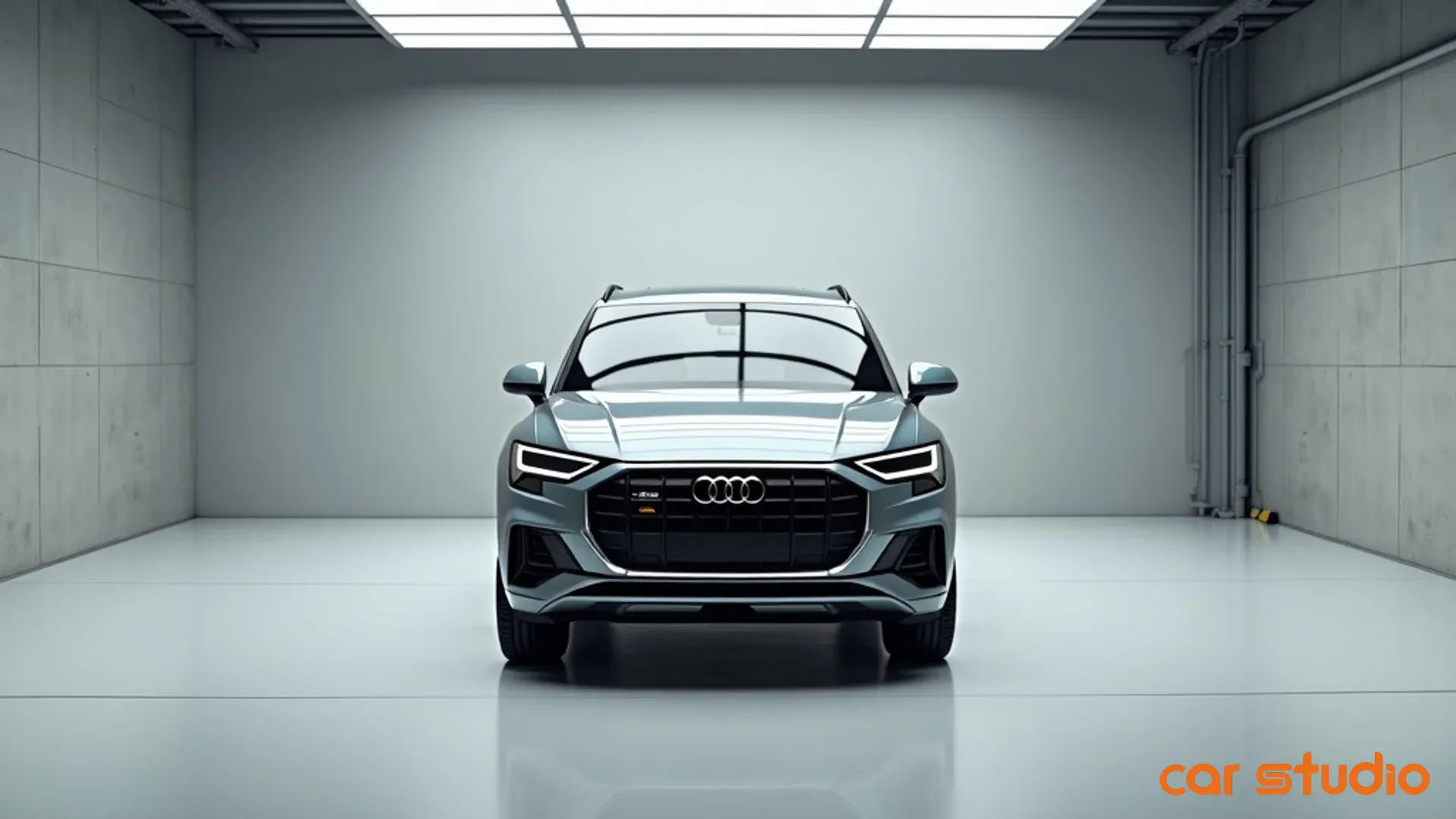

El manual de IA: Acelere las ventas de coches usados con imágenes inteligentes
Su mejor unidad estuvo en el lote durante 42 días. Mismo año, mismos kilómetros que la que su competidor vendió en 11. ¿La diferencia? Las fotos de su VDP parecían sacadas de la web de una marca de lujo. Las suyas parecían tomadas con prisa entre cambios de aceite.
Esa brecha le costó margen, intereses de financiación y la confianza de cada comprador que pasó de largo su anuncio.
Las imágenes de alta calidad ya no son un lujo. Son el precio de entrada. Minoristas digitales como Carvana y Vroom construyeron toda su propuesta de valor sobre imágenes consistentes y pulidas. Los concesionarios tradicionales que tratan las fotos como una ocurrencia tardía están perdiendo clics frente a competidores que entienden una verdad simple: el VDP es su nuevo salón de exposición, y la mayoría de los compradores nunca pasan de las tres primeras imágenes.
Este manual le muestra cómo construir un sistema de merchandising visual repetible, impulsado por IA, que vende coches más rápido y protege el margen bruto. Sin rodeos. Sin teoría. Solo el proceso paso a paso para estandarizar la presentación de su inventario, automatizar el trabajo pesado y medir el retorno en días, no en trimestres.
Por qué las imágenes inteligentes son su nuevo motor de ventas
El comprador promedio ve 14 vehículos en línea antes de visitar un concesionario. Pasan menos de 90 segundos en cada VDP. Si sus fotos no comunican inmediatamente la condición, la calidad y la confianza, se irán.
El viaje del comprador de coches moderno es visual. Las descripciones de texto importan, pero las fotos impulsan la decisión emocional. Un comprador no puede tocar el cuero o escuchar cómo se cierra la puerta, por lo que está buscando pruebas visuales de que su vehículo vale su tiempo. La iluminación inconsistente, los fondos desordenados o los interiores borrosos envían un mensaje claro: a este concesionario no le importan los detalles.
Las imágenes impactan directamente la confianza y el tiempo en la página. Cuando un VDP tiene imágenes limpias y profesionales con una marca consistente, los compradores permanecen más tiempo. Hacen clic en más fotos. Es más probable que envíen un lead o levanten el teléfono. Por el contrario, las imágenes deficientes generan escepticismo. Los compradores asumen que usted está ocultando algo, incluso cuando no lo está.
Las fotos inconsistentes dañan la marca y la velocidad. Revise su inventario actual en línea. ¿Sus fotos parecen provenir del mismo concesionario? ¿O cada unidad parece haber sido comercializada por una persona diferente, en un día diferente, con estándares diferentes? Esa inconsistencia erosiona su marca y dificulta que los compradores comparen vehículos dentro de su propio inventario. Se van a un competidor con una experiencia más limpia y predecible.
Conectando la calidad de la foto con la tasa de rotación. Los concesionarios que rastrean la participación en el VDP ya lo saben: las unidades con conjuntos de fotos completos y de alta calidad se mueven más rápido. La correlación es medible. Los vehículos con más de 25 imágenes y giros de 360 grados generan más leads y se venden con márgenes más altos que unidades idénticas con 12 fotos granuladas tomadas contra una valla de tela metálica. El mercado recompensa el esfuerzo visual con velocidad.
Los Cuatro Pilares de una Estrategia Visual Impulsada por IA
La mayoría de los concesionarios abordan la fotografía de vehículos como una tarea, no como un sistema. Contratan a un fotógrafo, compran una cámara y esperan lo mejor. El resultado es el caos: algunas unidades se ven geniales, otras parecen una ocurrencia tardía, y nadie puede explicar por qué.
Una estrategia visual impulsada por IA reemplaza la esperanza con un proceso. Se basa en cuatro pilares que trabajan juntos para crear un motor de merchandising repetible y escalable.
Pilar 1: Consistencia (fondos, marca). Cada vehículo debe parecer que pertenece a su concesionario. Eso significa fondos estandarizados, iluminación consistente y superposiciones o marcas de agua de marca cuando sea apropiado. Las herramientas de reemplazo de fondo de IA le permiten fotografiar vehículos en cualquier lugar de su lote y colocarlos en un fondo limpio y neutral en segundos. No más esperas por el clima perfecto o prisas para despejar el desorden del encuadre.
La consistencia también significa secuencia de tomas. Su fotógrafo debe capturar los mismos ángulos en el mismo orden para cada vehículo: tres cuartos delanteros, tres cuartos traseros, perfil lateral, tablero interior, asientos delanteros, asientos traseros, área de carga, compartimiento del motor, ruedas y características clave. Cuando los compradores pueden predecir dónde encontrar la información que necesitan, confían en su proceso.
Pilar 2: Calidad (resolución, iluminación, mejora). Las fotos borrosas matan las ventas. También lo hacen los interiores oscuros, los exteriores descoloridos y las imágenes que se ven pixeladas en un monitor de escritorio. La calidad comienza con el equipo y la iluminación adecuados, pero no termina ahí. Un mejorador de fotos con IA puede aumentar la resolución de la imagen, corregir el balance de color, afinar los detalles e incluso desenfocar imágenes que de otro modo serían inutilizables.
Esto no se trata de falsificar la condición. Se trata de presentar el vehículo lo más claramente posible para que el comprador pueda tomar una decisión informada. Si su cámara captura un reflejo o una sombra que oscurece una característica clave, la IA puede limpiarlo sin tergiversar el activo.
Pilar 3: Completitud (recuento de tomas, giros de 360). Más fotos equivalen a más participación. Los puntos de referencia de la industria sugieren de 25 a 40 imágenes por VDP, dependiendo del precio y la complejidad del vehículo. Las unidades de lujo y de alto margen merecen el tratamiento completo: recorridos exteriores, tomas interiores detalladas, primeros planos de características premium y giros de 360 grados que permiten a los compradores explorar el vehículo desde todos los ángulos.
Los conjuntos de fotos incompletos levantan banderas rojas. Si solo publica 10 imágenes, los compradores asumen que está ocultando daños o descuidando la reconstrucción. Incluso si eso no es cierto, la percepción impulsa el comportamiento. La completitud indica transparencia y profesionalismo.
Pilar 4: Inteligencia (selección de imágenes basada en datos). No todas las fotos rinden igual. Las herramientas de IA pueden analizar qué imágenes generan la mayor participación, qué ángulos se correlacionan con una mayor conversión de leads y qué vehículos necesitan actualizaciones visuales según el tiempo en el lote. Algunas plataformas rastrean las tasas de clics en imágenes individuales y priorizan automáticamente las tomas más efectivas en su carrusel VDP.
Este pilar convierte su estrategia visual de estática a dinámica. En lugar de adivinar qué fotos importan, deja que los datos le digan. Con el tiempo, refina su lista de tomas, sus fondos y su presentación basándose en lo que realmente mueve el inventario.
Manual de Implementación: Del Lote al VDP en Vivo
La teoría no mueve metal. El proceso sí. Aquí está el flujo de trabajo paso a paso para llevar un vehículo desde el taller de reacondicionamiento a un VDP completamente comercializado en menos de una hora.
Paso 1: Estandarizar el proceso de captura de fotos. Cree una lista de tomas y entrene a cada fotógrafo para que la siga. Esto no se trata de sofocar la creatividad; se trata de asegurar que cada vehículo reciba el mismo tratamiento básico. Su lista de tomas debe incluir:
Equipe a su equipo con una lista de verificación móvil o una aplicación que los guíe a través de la secuencia. La consistencia comienza en la captura, no en la postproducción.
Paso 2: Integrar un flujo de trabajo de edición de fotos con IA. Una vez que se capturan las fotos, deben procesarse. La edición manual es lenta, costosa e inconsistente. Un editor de imágenes con inteligencia artificial maneja las tareas repetitivas: recorte, corrección de color, ajuste de brillo y nitidez. Cuando se usa una plataforma dedicada como Car Studio AI, este paso a menudo está completamente automatizado. Usted carga imágenes sin procesar y el sistema aplica los estándares visuales de su concesionario de forma masiva.
Aquí es donde también se maneja el reemplazo de fondo. Si su lote está desordenado o su iluminación es inconsistente, la IA puede colocar cada vehículo en un fondo limpio y neutral. El resultado es una apariencia uniforme en todo su inventario, independientemente de dónde o cuándo se tomaron las fotos.
Paso 3: Automatizar el reemplazo de fondo y las mejoras. El reemplazo de fondo no es solo cosmético. Elimina distracciones y enfoca la atención del comprador en el vehículo. Las herramientas de IA también pueden mejorar los detalles que importan: afinar la parrilla, iluminar el interior e incluso eliminar pequeños reflejos o sombras que oscurecen características clave.
Algunas plataformas ofrecen mejoras avanzadas como la puesta en escena virtual, donde puede agregar elementos de marca o fondos contextuales (por ejemplo, un sedán de lujo en una calle de la ciudad, un camión en una carretera de montaña). Úselos con moderación. El objetivo es la claridad, no los trucos.
Paso 4: Sindicación instantánea a todos los canales. Una vez que sus imágenes están procesadas, deben publicarse. Rápido. Cuanto más tiempo permanezca un vehículo sin un VDP completo, más oportunidades perderá. Su plataforma de fotos con IA debe integrarse con su feed de inventario y enviar imágenes a su sitio web, sitios de listados de terceros y canales sociales automáticamente.
Este paso también incluye el control de versiones. Si actualiza una foto o agrega nuevas tomas, el sistema debe propagar esos cambios a todos los canales sin intervención manual. Los cuellos de botella en la sindicación matan la velocidad.
Victorias Rápidas en 14 Días
No necesita un lanzamiento de seis meses para demostrar el valor de las imágenes impulsadas por IA. Necesita un sprint enfocado que ofrezca resultados medibles rápidamente. Aquí está su plan de 14 días.
Días 1 a 3: Audite sus 10 VDP principales. Comience con sus unidades de mayor margen o de rotación más lenta. Abra cada VDP y califíquelo honestamente. ¿Cuántas fotos? ¿Son nítidas y están bien iluminadas? ¿Los fondos se ven profesionales? ¿La secuencia de tomas es consistente? Anote lo que falta o es deficiente.
Esta auditoría le da una línea de base. No está tratando de arreglar todo a la vez. Está identificando los frutos más fáciles de alcanzar: las unidades donde mejores imágenes tendrán el mayor impacto inmediato.
Días 4 a 7: Reprocese imágenes con una herramienta de IA. Tome las fotos sin procesar de sus 10 unidades principales y páselas por un mejorador de fotos con IA. Reemplace los fondos, aumente la resolución, corrija la iluminación y agregue las tomas que falten. Si no tiene una herramienta de IA, regístrese para una prueba gratuita. La mayoría de las plataformas le permiten procesar un puñado de vehículos sin costo.
Suba las imágenes mejoradas a sus VDP y anote la fecha. Está configurando una comparación de antes y después.
Días 8 a 14: Mida el aumento de la participación en el VDP. Rastree las métricas que importan: vistas de VDP, tiempo en la página, clics en el carrusel de fotos y envíos de leads. Compare los VDP mejorados con su rendimiento previo a la mejora. Incluso un aumento modesto (del 10 al 20 por ciento más de participación) prueba el concepto y justifica un despliegue más amplio.
Si ve un aumento significativo en los leads o una tasa de rotación más rápida en esas 10 unidades, ha construido su caso de negocio. Ahora puede escalar el proceso en todo su inventario.
Objeciones y Errores a Evitar
Todo cambio operativo genera resistencia. Aquí le mostramos cómo abordar las objeciones más comunes y evitar los errores que descarrilan las iniciativas de merchandising visual.
"Es demasiado caro." Calcule el costo de no hacerlo. Si las imágenes deficientes agregan incluso tres días a su tasa de rotación promedio, está pagando intereses de financiación, penalizaciones por antigüedad y costos de oportunidad en cada unidad. Un vehículo que permanece una semana extra le cuesta cientos de dólares en costos directos, además de la erosión del margen que conlleva las reducciones de precios basadas en la antigüedad.
Las herramientas de fotos con IA suelen costar una fracción de lo que pagaría a un editor a tiempo completo o a un servicio de fotografía subcontratado. Cuando se tiene en cuenta la velocidad, la consistencia y la escala, el ROI es medible dentro del primer mes. Calcule los números de sus 20 unidades más lentas. Si mejores imágenes las mueven cinco días más rápido, ¿cuánto vale eso en financiación reducida y margen bruto preservado?
"A nuestros fotógrafos no les gustará." La IA no reemplaza a los fotógrafos. Los aumenta. Su equipo sigue capturando las imágenes, pero se liberan del tedioso y repetitivo trabajo de edición que los agota. En lugar de pasar horas en Photoshop, pueden concentrarse en capturar mejores tomas, organizar los vehículos de manera más reflexiva y mover el inventario más rápido.
Encuadre la IA como una herramienta que facilita su trabajo y hace que su producción sea más consistente. La mayoría de los fotógrafos aprecian cualquier cosa que elimine el trabajo pesado y les permita concentrarse en los aspectos creativos del rol.
"Es demasiado complejo." Las herramientas modernas, como Car Studio AI, están diseñadas para equipos de concesionarios ocupados sin experiencia técnica. No necesita un recurso de TI dedicado o un título en diseño gráfico. La mayoría de las plataformas ofrecen interfaces de arrastrar y soltar, procesamiento masivo y mejoras con un solo clic. Si su equipo puede usar un teléfono inteligente, puede usar un editor de fotos con IA.
La verdadera complejidad no es la herramienta. Es la gestión del cambio. Empiece poco a poco, demuestre el valor y deje que las victorias tempranas impulsen la adopción. No intente revisar todo su proceso el primer día.
Error: Saltar la lista de tomas. La IA no puede arreglar una mala foto. Si su equipo no captura los ángulos correctos o pierde características clave, ninguna cantidad de postprocesamiento salvará el VDP. Invierta en la lista de tomas y la capacitación. La consistencia en la captura es la base de todo lo demás.
Error: Edición excesiva. La IA puede hacer mucho, pero no debe hacer que sus vehículos parezcan falsos. Evite los filtros pesados, los fondos poco realistas o las mejoras que tergiversan la condición. Los compradores son inteligentes. Si sus fotos parecen demasiado buenas para ser verdad, asumirán que está ocultando algo. Busque claridad y profesionalismo, no la perfección.
Error: Ignorar el móvil. La mayoría de los compradores ven los VDP en sus teléfonos. Si sus imágenes no se cargan rápido o no se ven nítidas en una pantalla pequeña, está perdiendo participación. Pruebe sus VDP en el móvil antes de publicarlos. Asegúrese de que la resolución sea lo suficientemente alta como para admitir el zoom con los dedos sin pixelación.
Medición del ROI de las Imágenes Inteligentes
No se puede mejorar lo que no se mide. El merchandising visual no es una excepción. Aquí le mostramos cómo conectar su estrategia de fotos impulsada por IA con los KPI que importan.
Métricas clave: Vistas de VDP, conversión de leads. Comience con lo básico. Rastree las vistas de VDP por vehículo, el tiempo promedio en la página y el número de leads generados por VDP. Compare estas métricas antes y después de implementar imágenes mejoradas con IA. Incluso un pequeño aumento en la participación se traduce en más oportunidades y rotaciones más rápidas.
La conversión de leads es la siguiente capa. Si está generando más vistas de VDP pero no más leads, sus fotos podrían estar atrayendo a la audiencia equivocada o su precio está mal. Si está generando más leads y cerrándolos a la misma tasa, sus imágenes están haciendo su trabajo.
Pruebas A/B de imágenes nuevas versus antiguas. Si desea una atribución limpia, realice una prueba controlada. Tome 20 vehículos similares y divídalos en dos grupos. El Grupo A recibe el tratamiento completo de IA: fotos mejoradas, fondos limpios, secuencias de tomas completas. El Grupo B mantiene las fotos antiguas. Rastree la participación y la velocidad de ambos grupos durante 30 días.
Este enfoque aísla el impacto de las imágenes de otras variables como el precio, el reacondicionamiento o la demanda del mercado. Si el Grupo A supera consistentemente al Grupo B, ha demostrado el ROI.
Vinculando la calidad visual con el beneficio bruto. La medida definitiva es el beneficio por unidad. Los vehículos que se venden más rápido suelen generar mayores márgenes brutos porque no está persiguiendo el mercado con reducciones de precios. Si sus VDP mejorados con IA están moviendo el inventario de tres a cinco días más rápido, calcule el aumento del beneficio bruto. Tenga en cuenta la reducción de los costos de financiación, menos descuentos por unidades antiguas y la capacidad de rotar su capital más rápido.
Para la mayoría de los concesionarios, una mejora modesta en la tasa de rotación (incluso de dos a tres días) genera un aumento medible en el beneficio bruto anualizado por unidad. Multiplique eso en todo su inventario, y el ROI se vuelve innegable.
Rastreo de los indicadores principales correctos. No espere 60 días para saber si su estrategia visual está funcionando. Observe los indicadores principales: participación en el VDP, clics en el carrusel de fotos y volumen de leads. Si esas métricas se mueven en la dirección correcta dentro de las primeras dos semanas, va por buen camino. Si no, revise su lista de tomas, sus fondos o sus configuraciones de mejora.
Cómo se ve esto en la práctica
Ha leído el marco. Ahora imagine el flujo de trabajo en acción.
Un vehículo pasa por el reacondicionamiento y se dirige al lote. Su fotógrafo sigue la lista de tomas estandarizada, capturando 30 imágenes en 15 minutos. Suben las fotos sin procesar a su plataforma de IA. En cuestión de minutos, el sistema procesa las imágenes: fondos reemplazados, iluminación corregida, resolución mejorada. Las fotos mejoradas se sincronizan con su DMS y se envían a su sitio web, AutoTrader, Cars.com y sus canales sociales.
El VDP se publica con un conjunto de fotos completo y profesional. Los compradores llegan a la página, se desplazan por las imágenes, y pasan 45 segundos adicionales explorando el vehículo. Tres de ellos envían leads. Uno reserva una cita. El vehículo se vende en 18 días en lugar de su promedio de lote de 32.
Eso no es una hipótesis. Ese es el efecto compuesto de un sistema de merchandising visual repetible. No requiere un esfuerzo heroico ni un presupuesto masivo. Requiere disciplina de proceso, las herramientas adecuadas y un compromiso para tratar sus VDP como los activos generadores de ingresos que son.
Pasando del Caos al Sistema
La mayoría de los concesionarios no tienen un problema de merchandising visual. Tienen un problema de sistemas. Dependen del esfuerzo individual en lugar de un proceso repetible. Esperan la consistencia en lugar de diseñarla.
La IA no resuelve ese problema por sí sola. Pero hace que la solución sea escalable. Toma el trabajo manual y que consume mucho tiempo de editar, mejorar y sindicar fotos y lo comprime en un flujo de trabajo que se ejecuta en segundo plano. Su equipo se enfoca en la captura y el control de calidad. La tecnología se encarga del resto.
Los concesionarios que ganen en los próximos cinco años no serán los que tengan los mayores presupuestos publicitarios o los salones de exposición más llamativos. Serán los que dominen la experiencia digital. Y la experiencia digital comienza con el VDP.
Si sus imágenes no están vendiendo para usted 24/7, está dejando dinero sobre la mesa. Cada día que un vehículo permanece con fotos deficientes es un día en que está pagando intereses de financiación y perdiendo margen debido a la depreciación basada en la antigüedad. Cada comprador que rebota de su VDP al de un competidor es una oportunidad perdida que nunca recuperará.
El manual está aquí. Las herramientas existen. La única pregunta es si lo implementará antes que su competencia.
¿Listo para ver lo que las imágenes impulsadas por IA pueden hacer por su inventario? Descargue el manual de imágenes con IA de una página para compartir con su equipo, o use nuestra lista de verificación interactiva gratuita de auditoría de VDP para calificar sus listados actuales e identificar victorias rápidas.
Deje de perder clics por fotos inconsistentes. Vea cómo Car Studio AI puede estandarizar todo su inventario en minutos reservando una demostración. Transforme su merchandising en un motor de ganancias. Inicie una prueba gratuita de Car Studio AI y demuestre el ROI por sí mismo.