
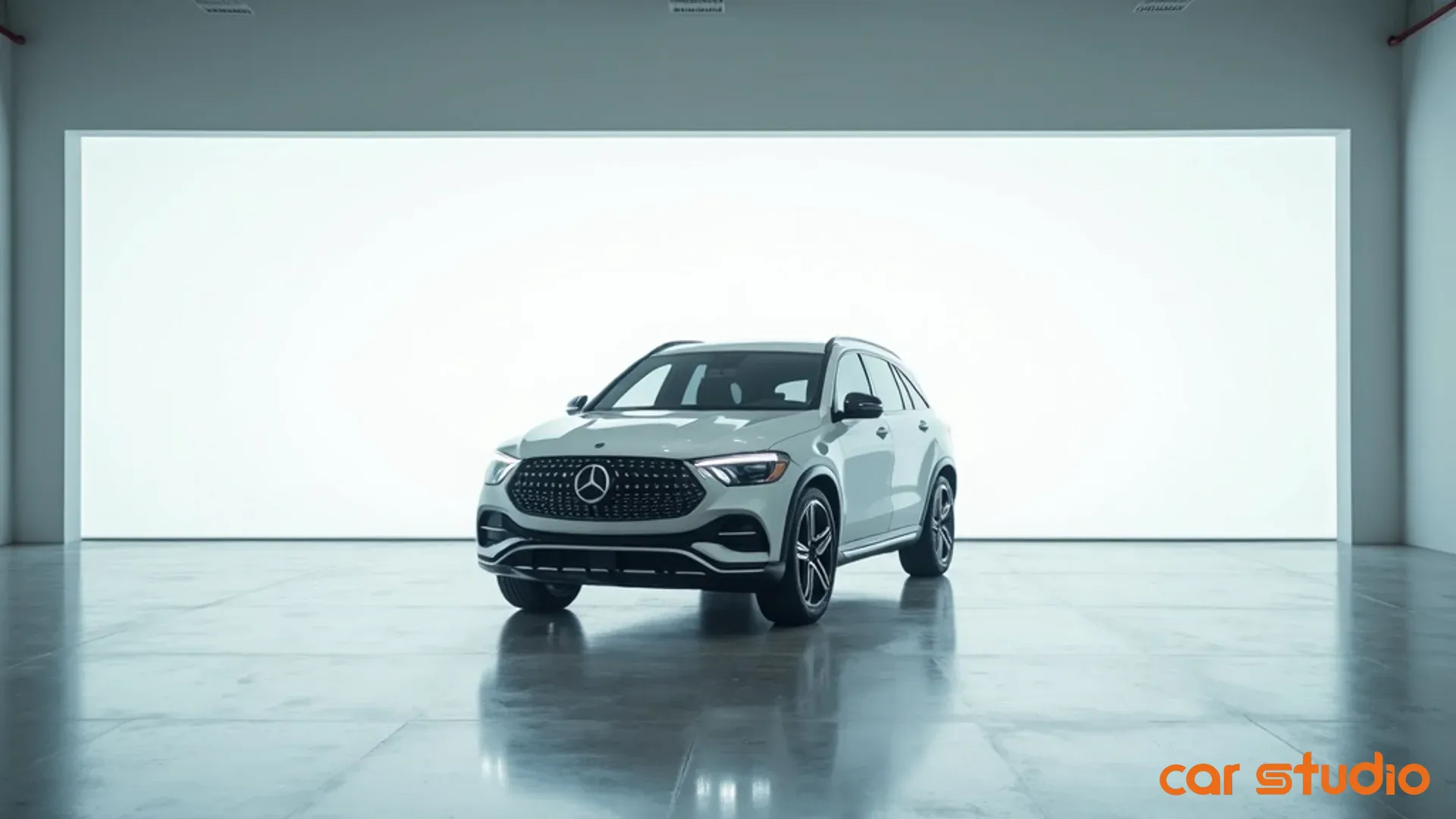
Конвейер прибыли от ИИ-визуалов для дилеров подержанных авто
Ваш отдел подержанных автомобилей только что оценил чистый трейд-ин. Цифры сходятся. Ваш покупатель дает добро. Затем он стоит на вашей стоянке три дня в ожидании фотографий. Когда они наконец появляются в сети, освещение непостоянно, фон загроможден, а снимки интерьера выглядят так, будто их делали во время землетрясения.
Тем временем конкурент на соседней улице вчера выставил аналогичный автомобиль с четкими, профессиональными визуальными материалами. Его VDP получает в три раза больше вовлеченности. Его автомобиль продастся первым, вероятно, с большей валовой прибылью.
Это не проблема фотографии. Это проблема прибыли.
Большинство дилеров знают, что визуальный мерчандайзинг имеет значение, но немногие относятся к нему как к операционному рычагу, которым он является на самом деле. Разрыв между приобретением и привлекательным VDP представляет собой потерю скорости, снижение маржи и конкурентное отставание. Каждый час, когда автомобиль стоит без мерчандайзинга или плохо сфотографирован, — это час, когда ваш капитал не работает.
ИИ-инструменты для визуализации прошли экспериментальную фазу. Теперь они предлагают дилерам повторяемую систему для стандартизации, ускорения и оптимизации изображений автомобилей на протяжении всего жизненного цикла подержанных автомобилей. Это руководство покажет вам, как именно внедрить эту систему, измерить ее влияние и превратить визуальную согласованность в центр прибыли.
Почему непоследовательные фотографии подержанных автомобилей снижают вашу валовую прибыль
Пройдитесь по своей стоянке прямо сейчас. Посмотрите на последние десять автомобилей, которые вы выставили онлайн. Сколько из них имеют одинаковое освещение? Одинаковые ракурсы? Одинаковую обработку фона? Если быть честным, то, вероятно, два или три в лучшем случае.
Эта непоследовательность обходится вам в трех конкретных аспектах.
Задержки от фото до публикации создают операционный тормоз. Средний дилерский центр тратит от 48 до 72 часов на то, чтобы автомобиль прошел путь от оценки до полной онлайн-мерчандайзинга. Значительная часть этого времени уходит на ожидание фотографий, их редактирование, загрузку и исправление ошибок. В течение этого окна ваш инвентарь невидим для покупателей, активно ищущих. Вы платите проценты по кредиту за призрака. Хуже того, если автомобиль нуждается в восстановлении, вы часто переснимаете его после завершения работ, удваивая трудозатраты и сроки.
Низкая вовлеченность VDP подрывает доверие и срочность. Покупатели делают мгновенные выводы. VDP с тусклыми фотографиями, отвлекающими фонами или отсутствующими ракурсами сигнализирует о небрежности. Покупатели предполагают, что сам автомобиль тоже запущен. Они пролистывают. Ваше время до первого обращения увеличивается. Когда обращения поступают, они ориентированы на цену, потому что визуальные материалы не создали ценности. Вы дали им повод торговаться сильнее.
Непоследовательные визуальные материалы вызывают гонку за самой низкой ценой. Когда ваш мерчандайзинг не отличает ваш инвентарь, цена становится единственным рычагом. Покупатели сравнивают по самому низкому числу, потому что ничто другое не выделяется. Вы начинаете делать скидки, чтобы генерировать активность. Ваша валовая прибыль на единицу сокращается. Ирония жестока: вы теряете деньги не потому, что ваши автомобили хуже, а потому, что они выглядят хуже онлайн.
Основная причина не в усилиях. Ваша команда усердно работает. Основная причина — отсутствие стандартизации и скорости. Ручные рабочие процессы фотографии по своей сути непоследовательны. Освещение меняется в течение дня. Разные сотрудники снимают под разными углами. Редактирование субъективно. Нет принудительного контроля качества.
ИИ решает эту проблему, создавая повторяемый, автоматизированный визуальный стандарт, который устраняет человеческую изменчивость и сокращает сроки с дней до часов.
Маховик ИИ-визуалов: Основа для прибыли
Представьте себе ИИ-улучшенные визуальные материалы не как одноразовое обновление, а как маховик, который ускоряет прибыль на четырех различных этапах вашей операции по продаже подержанных автомобилей.
Этап 1: Оценка трейд-ин с помощью ИИ. В момент прибытия автомобиля ваша команда делает первоначальные фотографии состояния на мобильное устройство. ИИ-редактор фотографий мгновенно удаляет отвлекающие фоны, корректирует освещение и выделяет повреждения или износ. Ваш оценщик получает чистую, профессиональную документацию для обоснования предложения. Если сделка не закрывается, те же изображения могут быть использованы для оптового ремаркетинга без повторной съемки. Вы сэкономили время и создали визуальную запись, которая защищает вас от споров после оценки.
Этап 2: Стандартизированная фотодокументация восстановления. До и после восстановления ваш персонал на стоянке делает быстрые снимки на мобильный телефон. Система ИИ организует их по VIN, ставит временные метки и хранит в центральной библиотеке. Это создает подотчетность для вашей команды восстановления и визуальный аудиторский след. Если покупатель сомневается в состоянии или спрашивает, какая работа была проделана, у вас есть доказательства. Что еще более важно, теперь вы можете визуально измерять время цикла восстановления и выявлять узкие места. Стоял ли этот автомобиль в ожидании детализации? Журнал фотографий вам об этом скажет.
Этап 3: Автоматизированный мерчандайзинг, готовый для VDP. После завершения восстановления ваш фотограф или сотрудник стоянки снимает автомобиль, используя простой мобильный чек-лист. Система ИИ применяет последовательное удаление фона, цветокоррекцию и стандартизацию углов. Она может даже генерировать отсутствующие углы или улучшать четкость интерьера. Результатом является полный набор изображений, готовых для VDP, за считанные минуты, а не часы. Ваш инвентарь появляется в сети в тот же день, полностью мерчандайзированный в соответствии с вашим брендовым стандартом.
Этап 4: Динамические визуальные материалы для омниканального маркетинга. Те же ИИ-улучшенные изображения автоматически заполняют ваши социальные объявления, электронные кампании и сторонние объявления. Вам не нужно вручную изменять размер или повторно редактировать для каждого канала. Система адаптирует визуальные материалы к спецификациям платформы и аудитории. Реклама-карусель в Facebook использует лучшие снимки. Электронное письмо в вашу базу данных CRM содержит чистое миниатюрное изображение. Ваши платные поисковые объявления показывают последовательные, высококачественные изображения, которые превосходят конкурентов, все еще использующих необработанные фотографии с телефона.
Каждый этап увеличивает ценность предыдущего. Более быстрая документация оценки приводит к более быстрым решениям по восстановлению. Более быстрое восстановление приводит к более быстрому мерчандайзингу. Более быстрый мерчандайзинг приводит к большему количеству маркетинговых показов, пока автомобиль свежий. Маховик вращается быстрее, и ваш инвентарь оборачивается быстрее с более высокой маржой.
План внедрения: Активация вашей стратегии ИИ-визуалов
Вам не нужен шестимесячный ИТ-проект, чтобы начать. Вам нужен четкий процесс, правильные инструменты и согласие людей, которые ежедневно работают с автомобилями.
Проанализируйте свой текущий процесс от фото до публикации. Потратьте два дня на отслеживание своего рабочего процесса. Когда автомобиль впервые фотографируется? Кто делает фотографии? Какое устройство они используют? Куда затем отправляются изображения? Кто их редактирует? Сколько времени занимает редактирование? Кто загружает их в вашу DMS или на веб-сайт? Где происходят задержки? Задокументируйте каждый шаг и каждую передачу. Вы сразу же найдете узкие места. Большинство дилеров обнаруживают, что они переснимают автомобили несколько раз, потому что первый набор фотографий не соответствовал стандартам или был потерян в цепочке электронных писем.
Выберите правильные инструменты и технологии. У вас есть три пути. Во-первых, инструменты для самостоятельного использования, такие как автономные ИИ-улучшители фотографий, которые ваша команда использует вручную. Они недороги, но все еще требуют вмешательства человека на каждом этапе. Во-вторых, комплексные платформы, такие как Car Studio AI, которые автоматизируют весь рабочий процесс от мобильной съемки до публикации VDP. Они стоят дороже изначально, но устраняют большую часть ручного труда и обеспечивают согласованность. В-третьих, гибридный подход, при котором вы используете ИИ для удаления фона и улучшения, но сохраняете существующий рабочий процесс загрузки и CMS. Выбирайте, исходя из технической подготовки вашей команды и вашего объема. Если вы продаете более 50 подержанных автомобилей в месяц, платформенный подход окупается только за счет экономии на рабочей силе.
Установите новые визуальные стандарты бренда. ИИ не может исправить неясные ожидания. Решите сейчас, как должен выглядеть ваш стандарт VDP. Сколько фотографий на автомобиль? Какие ракурсы обязательны? Какой стиль фона? Вы хотите чисто белый, тонкий градиент или настройки образа жизни? Какова ваша политика в отношении беспорядка в салоне? Определите это, задокументируйте и сделайте это не подлежащим обсуждению. Ваша система ИИ будет обеспечивать соблюдение стандарта, но только если вы установите его первым. Создайте одностраничный визуальный чек-лист, который ваш персонал на стоянке сможет использовать на своем телефоне.
Обучите персонал по закупкам и на стоянке. Люди, делающие первоначальные фотографии, — это ваша передовая линия. Они должны понимать, почему это важно и как работают новые инструменты. Проведите 30-минутное практическое занятие. Покажите им интерфейс ИИ-редактора фотографий. Позвольте им сфотографировать автомобиль, обработать его и увидеть до и после. Объясните, как более быстрые и качественные фотографии напрямую влияют на их комиссию или бонусный фонд, потому что инвентарь оборачивается быстрее. Сделайте их заинтересованными сторонами в результате, а не просто нажимателями кнопок. Ответьте на их опасения по поводу изучения нового программного обеспечения. Большинство современных ИИ-инструментов проще, чем громоздкие фотоприложения, которые они уже используют.
Цель не в совершенстве с первого дня. Цель — в повторяемом процессе, который улучшается каждую неделю. Начните с небольшой пилотной группы, отработайте рабочий процесс, а затем масштабируйте его на всю вашу операцию.
Быстрые победы за 14 дней: Ваш первый спринт по ИИ-визуалам
Вам нужны доказательства, прежде чем вы возьмете на себя обязательства. Справедливо. Вот двухнедельный спринт, который дает измеримые результаты, не нарушая всей вашей операции.
Дни 1-3: Настройка инструмента и брифинг команды. Выберите свой ИИ-редактор фотографий или платформу. Настройте учетные записи, интегрируйте с существующими системами, если это возможно, и настройте свои визуальные стандарты бренда в инструменте. Соберите свою основную команду: вашего менеджера по подержанным автомобилям, вашего ведущего фотографа или менеджера стоянки, а также вашего координатора по цифровому маркетингу. Ознакомьте их с планом. Распределите роли. Дайте понять, что это тест, а не постоянное требование. Выберите пять автомобилей, находящихся в процессе восстановления или готовящихся к продаже, в качестве пилотного инвентаря.
Дни 4-7: Пилот на пяти различных автомобилях. Сфотографируйте и обработайте эти пять автомобилей, используя ваш новый рабочий процесс ИИ. Выберите смешанный набор: дорогой грузовик, бюджетный седан, автомобиль с сертификацией CPO, грубый оптовый экземпляр и специализированный или роскошный автомобиль. Это разнообразие покажет вам, как ИИ справляется с различным освещением, цветами и условиями. Отслеживайте время, которое требуется от первой фотографии до окончательного набора изображений, готовых для VDP. Сравните это с вашим историческим средним показателем. Задокументируйте любые трудности или недопонимания, с которыми сталкивается ваша команда.
Дни 8-10: Измерьте рост VDP и экономию времени. Выведите пять пилотных автомобилей в онлайн с их ИИ-улучшенными фотографиями. Мониторьте вовлеченность VDP: просмотры страниц, время на странице, клики по фотогалерее и отправку заявок. Сравните эти показатели с вашими последними пятью аналогичными автомобилями, которые использовали ваш старый процесс фотосъемки. Вы ищете направленное улучшение, а не статистическое совершенство. Также рассчитайте экономию времени. Если вы сократили время от фото до публикации с 48 часов до 12 часов, это сокращение на 75%. Умножьте это на ваш ежемесячный объем, чтобы оценить экономию затрат на рабочую силу.
Дни 11-14: Обзор ROI и создание плана масштабирования. Снова соберите свою команду. Проанализируйте данные. Улучшилась ли вовлеченность VDP? Сэкономили ли вы время? Что пошло не так? Что сработало лучше, чем ожидалось? Создайте простой кейс ROI: сэкономленное время, потенциальный рост валовой прибыли от более быстрого оборота и стоимость инструмента ИИ. Если цифры сходятся, составьте 30-дневный план масштабирования для внедрения нового процесса для всего поступающего инвентаря. Если нет, определите, что нужно изменить, и запустите еще один спринт.
Этот спринт не о совершенстве. Он о доказательстве концепции с реальным инвентарем и реальными метриками. Большинство дилеров, которые проводят это упражнение, видят достаточно улучшений на первой неделе, чтобы оправдать полное внедрение к третьей неделе.
Возражения и подводные камни: Навигация по переходу
Перемены трудны, особенно в дилерских центрах, где «мы всегда так делали» является культурной нормой. Вы столкнетесь с сопротивлением. Вот как справиться с наиболее распространенными возражениями.
«ИИ слишком дорог или сложен». Разберитесь в математике. Если ваш текущий процесс фотосъемки занимает два часа на автомобиль в общей сложности и вы продаете 40 единиц в месяц, это 80 часов. При средней ставке оплаты труда в 25 долларов в час вы тратите 2000 долларов в месяц только на фотосъемку. Большинство ИИ-инструментов для визуализации стоят значительно меньше. Аргумент о сложности обычно исходит от людей, которые на самом деле не использовали инструмент. Современные ИИ-улучшители фотографий разработаны для нетехнических пользователей. Если ваша команда может использовать Instagram, они могут использовать эти инструменты. Предложите живую демонстрацию, а не теоретическое обсуждение.
Преодоление сопротивления команды изменениям процесса. Ваши фотографы или персонал стоянки могут чувствовать угрозу. Они думают, что ИИ их заменяет. Переформулируйте это: ИИ устраняет рутинные части их работы, чтобы они могли сосредоточиться на более ценной работе. Ваш фотограф не заменяется; он повышается до специалиста по визуальному мерчандайзингу, который может обрабатывать в три раза больший объем. Вовлекайте их на ранних этапах выбора инструмента. Позвольте им тестировать варианты и давать обратную связь. Когда они почувствуют себя владельцами, сопротивление снизится. Также свяжите новый процесс с компенсацией. Если более быстрые фотографии приводят к более быстрому обороту и более высокой валовой прибыли, поделитесь этим преимуществом с командой.
Обеспечение визуальной подлинности, а не поддельных фотографий. Дилеры беспокоятся, что ИИ-улучшение переходит грань в искажение. Это законное беспокойство. Граница проста: ИИ должен улучшать четкость и согласованность, а не фабриковать состояние. Удаление фона, коррекция освещения и стандартизация углов — это нормально. Цифровое удаление вмятин, изменение цвета краски или добавление несуществующих функций — нет. Сделайте эту политику явной в ваших визуальных стандартах. Большинство авторитетных ИИ-инструментов предназначены для улучшения, а не для обмана. Они корректируют плохое освещение или отвлекающую обстановку, но не изменяют сам автомобиль. Если покупатель приезжает, а автомобиль выглядит иначе, чем на фотографиях, вы потерпели неудачу. ИИ должен делать ваши фотографии более точными, а не менее.
Еще одна распространенная ловушка — попытка внедрить ИИ-визуальные материалы, не устранив основной хаос в рабочем процессе. Если ваш процесс восстановления дезорганизован, если автомобили находятся в подвешенном состоянии между отделами, если никто не отвечает за передачу фотографий, ИИ вас не спасет. Он просто автоматизирует вашу дисфункцию быстрее. Сначала исправьте процесс, затем добавьте ИИ, чтобы ускорить его.
Измерение ROI идеального VDP
Вы не можете управлять тем, что не измеряете. ИИ-улучшенные визуальные материалы должны влиять на конкретные бизнес-показатели. Вот что нужно отслеживать и как доказать ценность.
Ключевые показатели: Скорость оборота, валовая прибыль и вовлеченность VDP. Начните с оборота инвентаря. Если ваше среднее время продажи сокращается с 45 дней до 38 дней после внедрения ИИ-визуалов, это улучшение скорости на 15%. Более быстрый оборот означает снижение затрат на финансирование, более свежий инвентарь и больше капитала для реинвестирования. Далее отслеживайте валовую прибыль на единицу. Лучшие визуальные материалы должны уменьшить переговоры, основанные на цене, и повысить доверие покупателей. Если ваша средняя валовая прибыль увеличивается даже на 200 долларов на единицу, умножьте это на ваш ежемесячный объем. На 40 единицах это дополнительные 8000 долларов в месяц. Наконец, отслеживайте вовлеченность на уровне VDP: просмотры страниц на объявление, коэффициент взаимодействия с фотогалереей и конверсию VDP в лиды. Это опережающие индикаторы. Если вовлеченность VDP резко возрастает, но продажи не следуют, у вас другая проблема ниже по течению в вашем процессе продаж.
Как A/B-тестировать ваши новые визуальные материалы. Проведите контролируемый тест. В течение одного месяца используйте ИИ-улучшенные фотографии на половине вашего инвентаря и ваш старый процесс на другой половине. Сопоставьте две группы по типу автомобиля, ценовому диапазону и возрасту, чтобы сохранить переменные постоянными. Сравните производительность по тем же показателям: время продажи, валовая прибыль, вовлеченность VDP и объем лидов. Это даст вам чистые данные для представления руководству. Большинство дилеров, которые проводят этот тест, видят улучшение вовлеченности VDP на 20-40% и сокращение времени продажи на 10-20%. Ваши результаты будут варьироваться в зависимости от того, насколько плохим был ваш старый процесс, но направленное улучшение почти всегда значительно.
Создание бизнес-кейса для руководства. Вашего генерального директора или владельца дилерского центра интересуют три вещи: стоимость, риск и доходность. Постройте свою презентацию вокруг них. Стоимость: покажите ежемесячные расходы на инструмент ИИ по сравнению с текущими затратами на фотосъемку. Риск: объясните пилотный подход и возможность отмены, если результаты не материализуются. Доходность: представьте прогнозируемое влияние на скорость оборота и валовую прибыль, подкрепленное вашими пилотными данными. Используйте консервативные предположения. Если вы думаете, что ИИ сократит время фотосъемки на 75%, скажите руководству, что вы прогнозируете 50%. Недообещайте и перевыполняйте. Включите расчет срока окупаемости. Если инструмент стоит 500 долларов в месяц и экономит 2000 долларов на рабочей силе плюс генерирует дополнительные 4000 долларов валовой прибыли, ваша окупаемость немедленна. Сделайте математику простой, а решение очевидным.
Одним из часто упускаемых из виду факторов ROI является согласованность бренда во всем вашем цифровом присутствии. Когда каждый VDP, каждое социальное объявление и каждое стороннее объявление имеют один и тот же профессиональный визуальный стандарт, вы создаете капитал бренда. Покупатели начинают узнавать ваш инвентарь еще до того, как увидят ваш логотип. Это чего-то стоит, даже если это трудно количественно оценить в таблице.
Ваш следующий шаг
Визуальный мерчандайзинг на основе ИИ — это не будущая тенденция. Это текущее конкурентное преимущество, которое ваши лучшие конкуренты уже используют. Разрыв между дилерами, которые относятся к фотографиям как к второстепенной задаче, и теми, кто относится к ним как к рычагу прибыли, увеличивается с каждым месяцем.
Вам не нужно перестраивать всю свою операцию за одну ночь. Вам нужно начать с одного целенаправленного спринта, измерить результаты и масштабировать то, что работает. 14-дневный план в этом руководстве дает вам низкорисковую точку входа. План внедрения дает вам структуру, чтобы это закрепилось.
Дилеры, которые выиграют в сфере подержанных автомобилей в течение следующих пяти лет, будут теми, кто сократит время на каждом этапе жизненного цикла. Более быстрые оценки. Более быстрое восстановление. Более быстрый мерчандайзинг. Более быстрый маркетинг. ИИ-визуальные материалы — один из самых эффективных инструментов для достижения этого сокращения.
Ваш инвентарь — ваш самый дорогой актив. Каждый день, когда он стоит без мерчандайзинга или плохо представлен, — это день, когда вы не максимизируете его ценность. ИИ дает вам возможность превратить каждый автомобиль в привлекательное, последовательное, профессиональное объявление за часы вместо дней.
Перестаньте терять прибыль из-за медленных фотографий. Запланируйте звонок со стратегом Car Studio AI, чтобы создать свой индивидуальный кейс ROI для визуальных материалов. Или посмотрите, как преображается ваш собственный инвентарь — получите бесплатную демонстрацию, используя фотографии вашего автомобиля, чтобы увидеть, какую разницу могут внести ИИ-улучшенные визуальные материалы для ваших VDP.
План действий в ваших руках. Единственный вопрос, который остается, — внедрите ли вы его до того, как это сделают ваши конкуренты.