
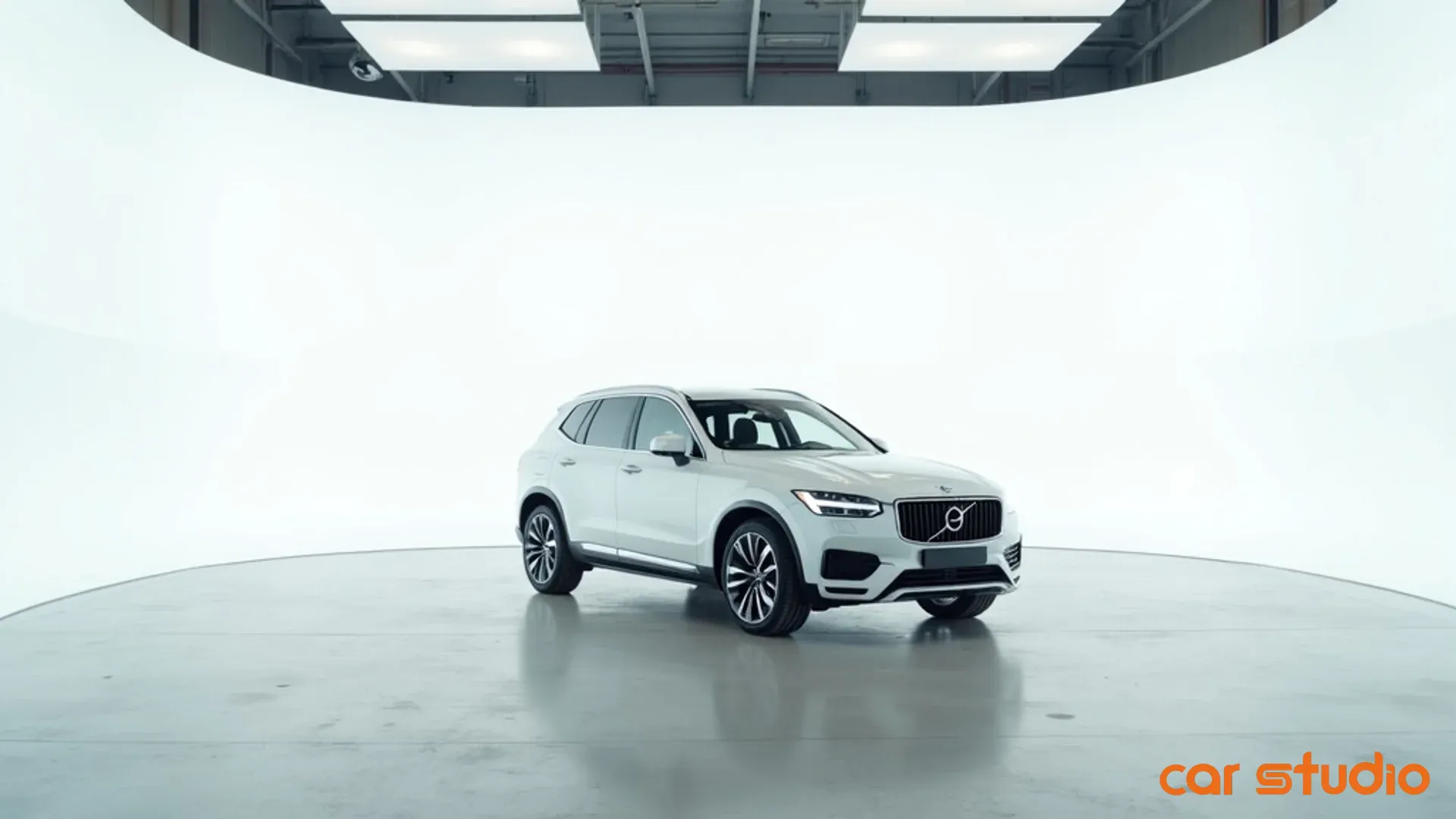

Bayi Karlılığını Artıran Yapay Zeka İş Akışı
Merchandising ekibiniz altı birim için fotoğraf çekmek, düzenlemek ve açıklama yazmak için dört saat harcadı. Bu arada, aynı altı araba bir gün daha listenize eklenmeden bekledi. Sokağınızdaki rakibiniz mi? Onlar bir saatten kısa sürede çevrimiçi oldular.
Fark yetenek değil. İş akışı.
Çoğu bayi hala yapay zekanın operasyonlarında yeri olup olmadığını tartışırken, en iyi performans gösterenler bu soruyu çoktan geride bıraktı. Yapay zekayı bir yenilik veya bağımsız bir araç olarak kullanmıyorlar. Satın alma ve satış arasındaki operasyonel engelleri ortadan kaldıran bağlantılı iş akışları oluşturdular ve diğer herkes yetişmeye çalışırken marjlarını koruyorlar.
Bu, ekibinizi robotlarla değiştirmekle ilgili değil. En iyi çalışanlarınızın asıl gelir getiren işleri yapmasını engelleyen tekrarlayan, zaman alıcı görevleri ortadan kaldırmakla ilgili: araba satmak ve ilişkiler kurmak.
Araçların Ötesinde: Gerçek Bir Yapay Zeka İş Akışı Nedir?
Çoğu bayi yapay zekaya, ilk CRM'lerini veya envanter yönetim sistemlerini yaklaştıkları gibi yaklaşıyor. Bir nokta çözümü satın alıyorlar, mevcut süreçlerine ekliyorlar ve neden hiçbir şeyin değişmediğini merak ediyorlar.
Çünkü araçlar dönüşüm yaratmaz. İş akışları yaratır.
Gerçek bir yapay zeka iş akışı, bir aracı edindiğiniz anından satıldığı ana kadar operasyonunuzun her aşamasını birbirine bağlar. Devirleri ortadan kaldırır, hataları azaltır ve pazara çıkış süresini hızlandırır. Daha da önemlisi, üç araba veya otuz araba pazarlıyor olsanız da aynı şekilde çalışan tekrarlanabilir bir sistem oluşturur.
Silo halindeki araçlar ile bağlantılı bir iş akışı arasındaki fark entegrasyonda yatmaktadır. Silo halindeki bir yaklaşım, fotoğraf düzenleyicinizin açıklama yazıcınızla konuşmadığı, envanter akışınızla konuşmadığı ve pazarlama kanallarınızla konuşmadığı anlamına gelir. Her adım manuel müdahale, veri yeniden girişi ve kalite kontrolü gerektirir.
Bağlantılı bir iş akışı, verilerin bir aşamadan diğerine otomatik olarak akması anlamına gelir. VIN taramanız araç özelliklerini çeker. Bu özellikler yapay zeka tarafından oluşturulan açıklamalarınızı bilgilendirir. Düzenlenmiş fotoğraflarınız ve açıklamalarınız doğrudan VDP'nizde yayınlanır. VDP'niz pazarlama kanallarınızı besler. Bir giriş, birden fazla çıktı, sıfır gereksiz iş.
İşte üç kritik aşamada bunun pratikte nasıl göründüğü:
Satın Alma: Bir araç sisteminize girdiği anda, yapay zeka eksiksiz araç verilerini çeker, pazar konumlandırmasını belirler ve karşılaştırılabilir envantere göre yenileme ihtiyaçlarını işaretler.
Merchandising: Yapay zeka fotoğraf iyileştirme, arka plan değiştirme, açıklama oluşturma ve özellik vurgulama işlemlerini yapar. Ekibiniz sıfırdan oluşturmak yerine inceler ve onaylar.
Pazarlama: Listelemeler web sitenizde, üçüncü taraf sitelerde ve sosyal kanallarda, her platforma özel optimize edilmiş metin ve görsellerle otomatik olarak yayınlanır.
Operasyonel etki anlıktır. Ekibinizin araç başına dört ila altı saatini alan şey artık otuz dakika sürüyor. Üç kişi gerektiren şey artık bir kişi gerektiriyor. Ve darboğaz yaratan şey artık ivme yaratır.
Yapay Zeka Destekli Satın Alma ve Merchandising
Sattığınız her aracın karlılığı, bir müşteri kapınızdan içeri girmeden çok önce belirlenir. Bu, o birimi edindiğiniz ve pazarınızda nasıl konumlandıracağınıza karar verdiğiniz anda başlar.
Geleneksel satın alma ve merchandising her adımda kar sızıntıları yaratır. Alıcınız bir araç tedarik eder ancak gerçek zamanlı karşılaştırma verilerine sahip değildir. Fotoğrafçınız fotoğraf çeker ancak önemli özellikleri kaçırır. Metin yazarınız bir açıklama yazar ancak pazarınızda hangi özelliklerin gerçekten tıklama getirdiğini bilmez. Araç yayına girdiğinde, para harcamış, zaman kaybetmiş ve potansiyel olarak birimi yanlış fiyatlandırmış olursunuz.
Yapay zeka, verileri uygulamaya bağlayarak bu sızıntıları ortadan kaldırır.
Doğru araç verileriyle başlayın. Herhangi bir merchandising iş akışının temeli, ne sattığınızı tam olarak bilmektir. Bir VIN araması, saniyeler içinde eksiksiz özellikleri, standart özellikleri, isteğe bağlı ekipmanları, geri çağırma durumunu ve pazar verilerini çekmelidir. NHTSA VIN kod çözücü gibi araçlar temel verileri sağlar, ancak ticari çözümler ekibinizin gerçekten ihtiyaç duyduğu pazar bağlamını ekler.
Satın alma ekibiniz bir aracın mevcut envanteriniz ve yerel pazar arzınızla nasıl karşılaştırıldığını anında görebildiğinde, daha akıllı satın alma kararları verirler. Merchandising ekibiniz, donanım paketlerini manuel olarak araştırmadan eksiksiz özellik listelerine sahip olduğunda, daha iyi listelemeler oluştururlar.
Görsel sunumunuzu mükemmelleştirin. Fotoğrafçılık, VDP etkileşiminin en büyük tek itici gücü olmaya devam ediyor ve çoğu bayinin en çok zaman kaybettiği yer burası. Fotoğrafçınız değişen ışık koşullarında, tutarsız arka planlarla çekim yapar ve her şeyi uyumlu göstermek için saatlerce post prodüksiyonda harcar.
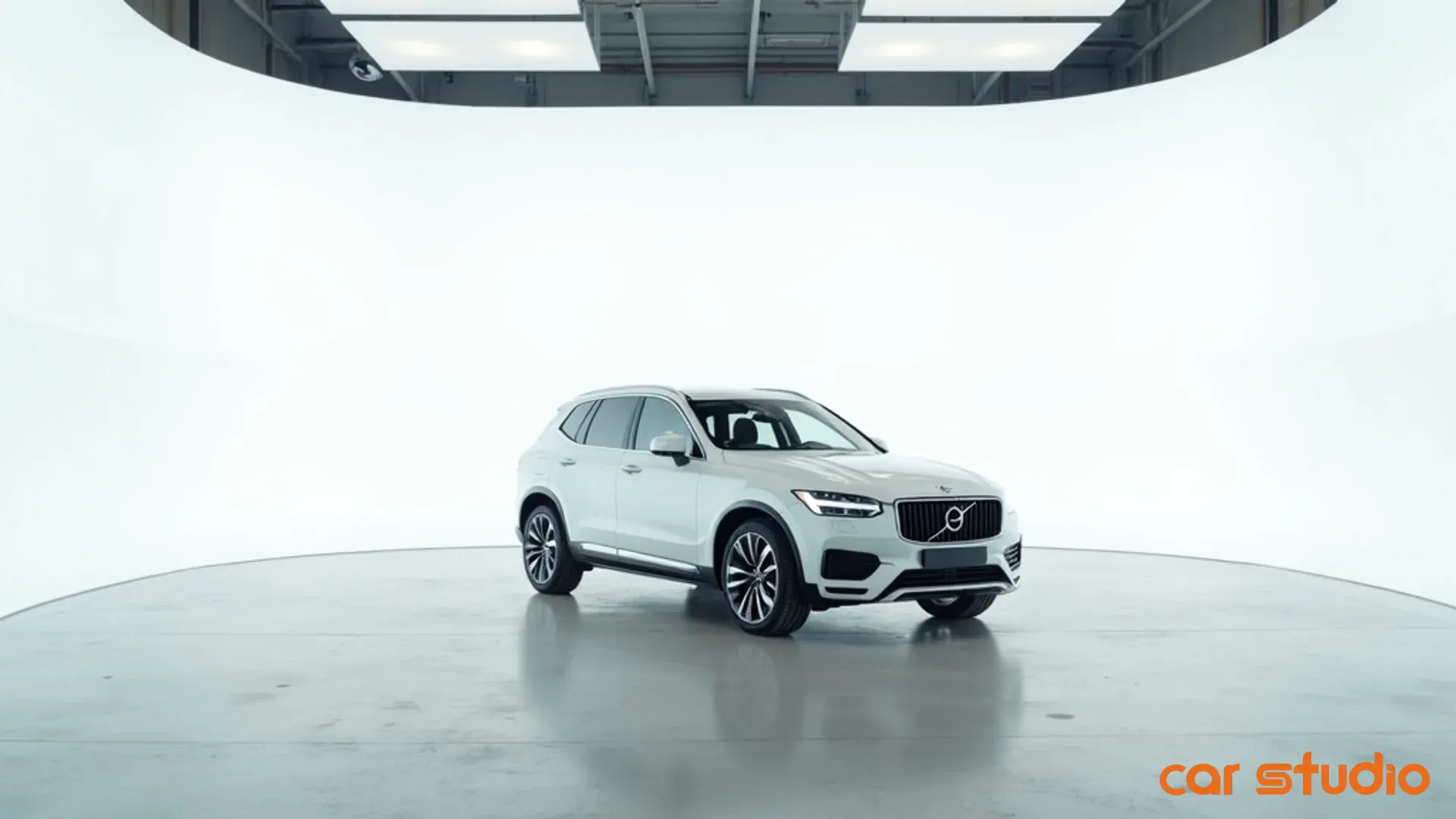
Yapay zeka fotoğraf düzenleme bunu dakikalar içinde çözer. Modern çözümler arka planları kaldırabilir, stüdyo kalitesinde ayarlarla değiştirebilir, ışıklandırma ve renk dengesini düzeltebilir ve hatta jant parlaklığı ve boya derinliği gibi ayrıntıları iyileştirebilir. Sonuç, tüm envanterinizde profesyonel ve tutarlı görünür.
Car Studio AI gibi platformlar, merchandising iş akışının bir parçası olarak bunu otomatik olarak halleder. Fotoğraflarınızı yükleyin ve sistem, manuel düzenleme yapmadan markanızın standartlarına göre işler. Fotoğrafçınız Photoshop ile uğraşmak yerine açıları ve ayrıntıları yakalamaya odaklanır.
Çekici, doğru açıklamalar oluşturun. İşte çoğu bayinin ya genel şablonları kopyalayıp yapıştırdığı ya da araç başına yirmi dakika harcayarak hala önemli satış noktalarını kaçıran özel metinler yazdığı yer.
Yapay zeka tarafından oluşturulan açıklamalar, araç verilerinizden yararlanır, pazarınızda hangi özelliklerin etkileşim sağladığını analiz eder ve önemli olanı vurgulayan metinler oluşturur. Sistem, aile SUV'ları arayan alıcıların güvenlik özelliklerini ve kargo alanını önemsediğini bilir. Performans arabası alıcılarının beygir gücü ve yol tutuşu hakkında bilgi edinmek istediğini bilir.
Daha da önemlisi, yapay zeka tutarlılığı korur. Her araç, özellikleri, faydaları ve durumu kapsayan eksiksiz, iyi yapılandırılmış bir açıklama alır. Artık, uzun bir günün sonunda otopark görevlinizin yazdığı için "güzel araba, kaçırmayın" diyen listelemeler yok.
Merchandising iş akışı şöyle olur: VIN tarayın, fotoğrafları yükleyin, yapay zeka tarafından oluşturulan içeriği inceleyin, onaylayın, yayınlayın. Dört saat süren şey artık otuz dakika sürüyor ve acele etmediğiniz veya köşeleri kesmediğiniz için kalite daha yüksek.
Yapay Zeka İş Akışı Uygulama Rehberi
Bir yapay zeka iş akışını, tüm teknoloji yığınınızı söküp baştan başlayarak uygulamazsınız. En büyük darboğazınızı belirleyerek, onu otomatikleştirerek, etkiyi ölçerek ve oradan genişleterek yaparsınız.
Teknoloji yığını denetimiyle başlayın. Yeni bir şey eklemeden önce, mevcut olanı ve nasıl bağlandığını anlayın. Araç verilerine dokunan her sistemi listeleyin: DMS'niz, CRM'niz, envanter yönetiminiz, web sitesi platformunuz, üçüncü taraf listeleme akışlarınız ve pazarlama araçlarınız.
Bu sistemler arasındaki veri akışını haritalandırın. Bilgi nereye giriyor? Nereye manuel olarak yeniden giriliyor? Ekip üyeleri arasında devirler nerede gerçekleşiyor? Hatalar nerede meydana geliyor?
Çoğu bayi, aynı araç bilgilerini farklı sistemlerde üç ila beş kez girdiklerini keşfeder. Bu sadece verimsiz değil. Pahalı ve hataya açık.
Tek bir yüksek etkili iş akışına öncelik verin. Her şeyi bir kerede otomatikleştirmeye çalışmayın. En büyük operasyonel engeli yaratan iş akışını seçin ve oradan başlayın.
Çoğu bayi için bu merchandisingdir. Eğer satın almadan çevrimiçi listelemeye kadar ortalama süreniz üç ila beş günse ve rakibiniz bunu bir günde yapıyorsa, her gün satış kaybediyorsunuz demektir. Müşteriler önce çevrimiçi alışveriş yapar ve taze envanteriniz görünür değilse, hiç yokmuş gibi olur.
Kendinize sorun: Süreyi yarıya indirirsek satış hızımızı anında etkileyecek tek süreç nedir? Başlangıç noktanız budur.
Merchandising verilerini pazarlama kanallarıyla entegre edin. Araçlarınız düzgün bir şekilde pazarladıktan sonra, alıcılara ulaşmaları gerekir. İşte çoğu iş akışının tekrar bozulduğu yer burası. Envanteriniz hazır, ancak web sitenizde, üçüncü taraf sitelerde, sosyal medyada ve e-posta kampanyalarında yayınlamak manuel çalışma gerektiriyor.
Bağlantılı iş akışları bunu otomatikleştirir. Bir listelemeyi onayladığınızda, platforma özel optimizasyonlarla her yerde aynı anda yayınlanmalıdır. Web siteniz tam açıklamayı ve fotoğraf galerisini alır. Sosyal medya gönderileriniz dikkat çekici görseller ve kısa metinler alır. E-posta kampanyalarınız, müşteri tercihlerine göre kişiselleştirilmiş öneriler alır.
Anahtar, merchandising sisteminizin pazarlama sistemlerinizi manuel müdahale olmadan beslemesini sağlamaktır. Hala listelemeleri kopyalayıp yapıştırıyorsanız veya fotoğrafları farklı platformlara manuel olarak yüklüyorsanız, zaman kaybediyor ve tutarsızlıklar yaratıyorsunuz demektir.
Anlamlı KPI'lar belirleyin. Ölçmediğiniz şeyi iyileştiremezsiniz ve çoğu bayi yapay zeka uygularken yanlış metrikleri izler.
Yapay zekanın kaç fotoğrafı düzenlediğini veya kaç açıklama oluşturduğunu ölçmeyin. Bu faaliyetlerin sağladığı iş sonuçlarını ölçün.
Pazara çıkış süresini takip edin: Satın almadan çevrimiçi listelemeye kadar kaç gün geçti? Araç başına maliyeti takip edin: Merchandising ne kadar iş gücü gerektiriyor? Etkileşimi takip edin: VDP'leriniz daha fazla görüntüleme ve daha uzun oturum süreleri alıyor mu? Dönüşümü takip edin: Daha fazla VDP görüntülemesi potansiyel müşteriye dönüşüyor mu?
Bu metrikler, operasyonel iyileştirmelerinizi finansal sonuçlara bağlar. Merchandising süresini dört saatten otuz dakikaya düşürmenin envanter devir hızınızı yüzde on beş artırdığını gösterebildiğinizde, yatırımı haklı çıkarmış ve bir sonraki otomasyon fırsatınızı belirlemiş olursunuz.
Hızlı Kazanımlar: İlk 14 Gününüz
Yapay zeka ile ivme kazanmanın en hızlı yolu, hızlı bir şekilde sonuç göstermektir. İşte operasyonunuzu aksatmadan ölçülebilir iyileştirmeler sağlayan ilk iki haftanız için gerçekçi bir plan.
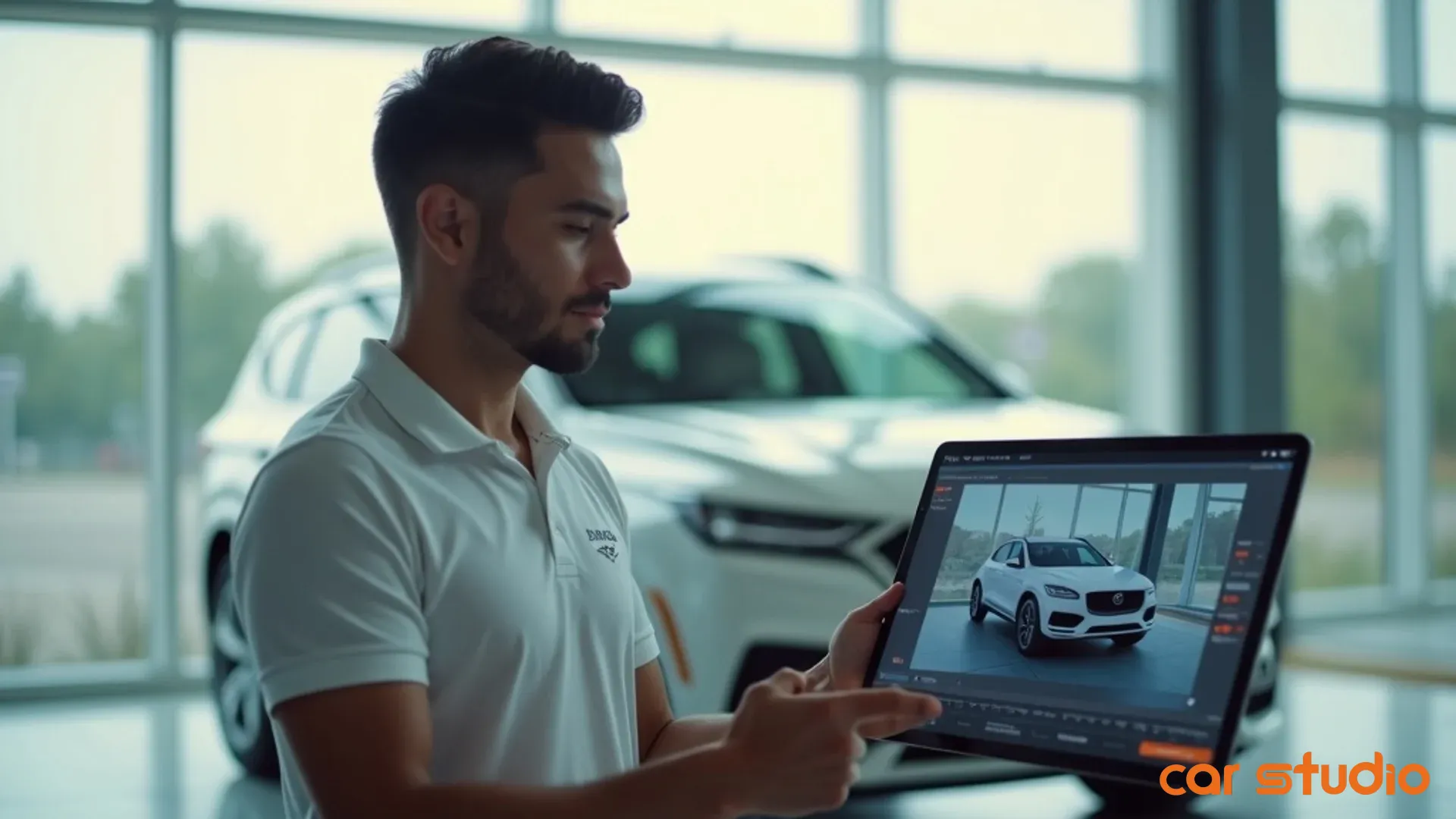
1. günden 5. güne: VDP fotoğrafçılığını otomatikleştirin. Bu, en kolay kazanım ve en kolay gösterilebilir başarıdır. Mevcut süreçte olan beş ila on aracı seçin ve bir yapay zeka fotoğraf düzenleyici aracılığıyla işleyin.
Fotoğrafçınız araçları her zamanki gibi çeker, ancak düzenleme için saatler harcamak yerine ham fotoğrafları yapay zeka platformuna yükler. Sistem arka plan değiştirme, ışıklandırma düzeltme ve iyileştirmeyi otomatik olarak halleder.
Harcadığınız zamanı ve nihai kaliteyi geleneksel sürecinizle karşılaştırın. Çoğu bayi, fotoğraf düzenleme süresini yüzde yetmiş ila seksen oranında azaltırken tutarlılığı artırır.
Konsepti küçük bir partiyle kanıtladıktan sonra, tüm yeni envantere uygulayın. Fotoğrafçınız başlangıçta düzenleme becerileriyle gurur duyduğu için direnecektir. Onlara yapay zekanın tekrarlayan işleri hallettiğini, böylece daha iyi açılar ve ayrıntılar yakalamaya odaklanabileceklerini gösterin.
6. günden 10. güne: Yapay zeka kullanarak açıklamaları standartlaştırın. En yaygın araç türlerinizi seçin ve onlar için yapay zeka açıklamaları oluşturun. Çıktıyı dikkatlice inceleyin. Mükemmellik aramıyorsunuz. Sıfırdan yazmaktan daha hızlı olan sağlam bir temel arıyorsunuz.
Çoğu yapay zeka tarafından oluşturulan açıklama, bayinizin sesini eklemek veya yaptığınız belirli yenilemeleri vurgulamak için küçük düzenlemelere ihtiyaç duyar. Bu sorun değil. İyi bir taslağı düzenlemek, boş bir ekrana bakmaktan daha hızlıdır.
Bir kalite standardı belirleyin: her araç, temel özellikleri kapsayan, pazara uygun faydaları vurgulayan ve markanızın sesini koruyan bir açıklama alır. Yapay zekayı, kimin yazdığına ve ne kadar zamanı olduğuna bağlı olarak büyük ölçüde değişen açıklamalar yerine bu standardı tutarlı bir şekilde karşılamak için kullanın.
11. günden 14. güne: Merchandising için harcanan zamandan tasarrufu ölçün. Artık fotoğrafları ve açıklamaları otomatikleştirdiğinize göre, gerçek zaman tasarrufunu takip edin. Ekibinizin, yeni iş akışını kullanarak araçları pazarlamanın ne kadar sürdüğünü eskiyle karşılaştırarak kaydetmesini sağlayın.
İş gücü maliyet tasarruflarını hesaplayın. Araç başına üç saat tasarruf ediyorsanız ve haftada yirmi araç pazarlıyorsanız, bu haftada altmış saat demektir. Saat başına otuz dolarlık ortalama bir iş gücü oranıyla, doğrudan iş gücü maliyetlerinde haftalık bin sekiz yüz dolar tasarruf ediyorsunuz demektir.
Daha da önemlisi, pazara çıkış süresi üzerindeki etkiyi ölçün. Araçlar daha hızlı çevrimiçi oluyor mu? Envanteri üç gün sonra değil, geldiği gün mü listeliyorsunuz? Bu hız artışı, maliyet tasarruflarından daha fazla satış sağlar.
Kaçınılması Gereken İtirazlar ve Tuzaklar
Yapay zekayı uygulayan her bayi hata yapmıştır. Onları tekrarlamak yerine onlardan ders çıkarın.
Kötü veri hijyeni yapay zeka performansını öldürür. Yapay zeka, ona beslediğiniz veriler kadar iyidir. Eğer VIN kod çözme işleminiz eksik bilgi çekiyorsa çünkü DMS verileriniz dağınık, yapay zeka tarafından oluşturulan açıklamalarınız eksik olacaktır. Fotoğraflarınız kötü aydınlatılmış veya kötü çerçevelenmişse, yapay zeka iyileştirmesi ancak bu kadarını yapabilir.
Yapay zekayı suçlamadan önce girdilerinizi denetleyin. VIN'leri doğru tarıyor musunuz? Fotoğrafçılar temel kompozisyon kurallarına uyuyor mu? Envanter verileriniz eksiksiz ve doğru mu?
Çoğu yapay zeka hatası, çöp girdi, çöp çıktıya dayanır. Önce veri süreçlerinizi temizleyin, ardından bu temiz süreçleri ölçeklendirmek için yapay zekayı uygulayın.
İnsan denetimini göz ardı etmek kalite sorunları yaratır. Yapay zeka iş akışınızı hızlandırmalı, yargının yerini almamalıdır. Yapay zeka tarafından oluşturulan her açıklama incelenmelidir. Yapay zeka tarafından düzenlenmiş her fotoğraf kontrol edilmelidir. Her otomatik listeleme rastgele kontrol edilmelidir.
Amaç, insan katılımını ortadan kaldırmak değildir. İnsan çabasını tekrarlayan uygulamadan kalite kontrolüne ve stratejik kararlara kaydırmaktır. Merchandising yöneticiniz gününü açıklama yazarak geçirmemeli. Onlar, her listelemenin standartlarınızı karşıladığından emin olarak ve konumlandırmayı iyileştirme fırsatlarını belirleyerek geçirmelidir.
Açık onay iş akışları belirleyin. Yapay zeka çıktılarını yayına girmeden önce kim inceler? Kalite eşiği nedir? İstisnaları nasıl ele alırsınız?
Entegre iş akışları yerine silo halindeki araçları seçmek. Bu, bayilerin yaptığı en büyük hatadır. Envanter sistemleriyle konuşmayan bir yapay zeka fotoğraf düzenleyici satın alırlar. VIN verilerinden çekmeyen bir yapay zeka açıklama yazıcısı satın alırlar. Sonunda, eski siloları ortadan kaldırmak yerine yeni silolar yaratan, birbirine bağlanmayan üç yapay zeka aracıyla kalırlar.
Herhangi bir yapay zeka çözümü satın almadan önce, mevcut sistemlerinizle nasıl entegre olduğunu sorun. DMS'nize bağlanıyor mu? Web sitenizi besliyor mu? eLeads gibi CRM'nizle veya vAuto gibi envanter araçlarınızla çalışıyor mu?
Eğer cevap "bir CSV dışa aktarabilir ve manuel olarak yükleyebilirsiniz" ise, bu entegrasyon değildir. Bu sadece farklı bir tür manuel çalışmadır.
Kutudan çıktığı gibi bağlantılı iş akışları sunan veya teknoloji ekibinizin entegrasyonlar oluşturmak için kullanabileceği sağlam API'lere sahip platformlar arayın. Yapay zekanın değeri bireysel araçlarda değildir. Bu araçların, tüm operasyonunuzdaki sürtünmeyi ortadan kaldırmak için nasıl birlikte çalıştığındadır.
Yapay zekanın bozuk süreçleri düzelteceğini beklemek. Mevcut merchandising süreciniz kaotikse, yapay zeka eklemek sadece kaosu daha hızlı yaratacaktır. Ekibiniz şimdi standartlara uymuyorsa, yapay zeka ile de uymayacaktır.
Önce sürecinizi düzeltin, sonra otomatikleştirin. İyi bir listelemenin nasıl göründüğünü tanımlayın. Fotoğraf standartları belirleyin. Açıklama şablonları oluşturun. Ekibinizi iş akışı konusunda eğitin.
Tekrarlanabilir bir süreciniz olduğunda, yapay zeka onu ölçeklendirebilir. Ancak yapay zeka, var olmayan bir süreci yaratamaz.
Başarıyı Ölçmek: İş Akışından Kara
Operasyonel verimlilik, finansal sonuçlara dönüşmezse hiçbir anlam ifade etmez. İşte yapay zeka iş akışı iyileştirmelerinizi gerçek karlılığa nasıl bağlayacağınız.
Pazara çıkış günlerini titizlikle takip edin. Bu, satış hızını doğrudan etkilediği için en önemli operasyonel metriğinizdir. Bir aracın pazarlanmadan beklediği her gün, potansiyel müşteri oluşturmadığı veya satılmadığı bir gündür.
Satın almadan çevrimiçi listelemeye kadar mevcut ortalama sürenizi hesaplayın. Yeni, kullanılmış, sertifikalı veya özel envanter arasında anlamlı farklılıklar görüyorsanız, bunu araç türüne göre ayırın.
Yapay zeka iş akışınızı uyguladıktan sonra aynı metriği ölçün. Çoğu bayi, pazara çıkış günlerini yüzde elli ila yetmiş oranında azaltır. Dört günden bir güne düşerseniz, her aracın yaşam döngüsüne üç satış günü eklemiş olursunuz.
Bu hız birleşir. Daha hızlı merchandising, daha hızlı satış anlamına gelir. Daha hızlı satış, daha hızlı envanter devri anlamına gelir. Daha hızlı devir, daha iyi nakit akışı ve daha karlı birimleri edinme ve satma için daha fazla fırsat anlamına gelir.
Araç başına maliyeti hesaplayın. Bir aracı pazarlamak için harcanan tüm iş gücünü toplayın: fotoğrafçılık, düzenleme, açıklama yazma, veri girişi, listeleme yayını ve kalite kontrolü. Bu saatleri ortalama iş gücü oranınızla çarpın.
Çoğu bayi, geleneksel süreçleri kullanarak araç başına altmış ila doksan dolar doğrudan iş gücü harcar. Yapay zeka iş akışları bunu genellikle yirmi ila otuz dolara düşürür. Ayda yüz araçta, bu aylık dört bin ila altı bin dolar tasarruf demektir.
Ancak doğrudan iş gücüyle sınırlı kalmayın. Fırsat maliyetini de hesaba katın. Fotoğrafçınız dört saat fotoğraf düzenlerken başka ne yapabilirdi? Merchandising yöneticiniz gününü açıklama yazarak geçirirken, hangi stratejik işler yapılmıyor?
VDP etkileşim metriklerini izleyin. Daha iyi merchandising, daha iyi etkileşim sağlamalıdır. VDP başına görüntülemeleri, ortalama oturum süresini, fotoğraf galerisi tıklamalarını ve potansiyel müşteri dönüşüm oranını takip edin.
Yapay zeka ile pazarlanan listelemeleri geleneksel olarak pazarlananlarla karşılaştırın. Müşteriler sayfada daha fazla zaman mı geçiriyor? Daha fazla fotoğraf mı görüntülüyorlar? Potansiyel müşteri gönderme veya arama olasılıkları daha mı yüksek?
Yapay zeka iş akışınız çalışıyorsa, etkileşimde ölçülebilir iyileşmeler görmelisiniz. Görmüyorsanız, nedenini araştırın. Fotoğraf kalitesi gerçekten daha mı iyi? Açıklamalar doğru özellikleri mi vurguluyor? Bilgiler doğru ve eksiksiz mi?
Potansiyel müşteri dönüşümüne ve satışlara bağlanın. Başarının nihai ölçüsü, yapay zeka iş akışınızın daha iyi marjlarla daha fazla araba satmanıza yardımcı olup olmadığıdır. Yapay zeka ile pazarlanan envanter ile geleneksel envanter için potansiyel müşteri hacmini, potansiyel müşteri kalitesini, randevu gösterim oranını ve kapanış oranını takip edin.
Bu, çoğu bayinin zorlandığı bir atıf gerektirir. Hangi araçların hangi süreç kullanılarak pazarlandığını ve satış hunisi boyunca performanslarını takip etmeniz gerekir.
Doğru takibi ayarlamak için CRM ve analitik ekibinizle çalışın. Sisteminizde yapay zeka ile pazarlanan araçları etiketleyin, böylece performanslarını karşılaştırabilirsiniz. Çoğu bayi, daha iyi merchandising'in daha nitelikli potansiyel müşteriler ve daha kısa satış döngüleri sağladığını bulur.
Brüt kar etkisini ölçün. İşte iş akışı verimliliğinin karlılığa dönüştüğü yer burası. Araçları daha hızlı pazarlayabilir ve listeleyebilirseniz, taze oldukları sürece daha agresif fiyatlandırabilirsiniz. Listelemeleriniz daha ilgi çekici olduğunda, daha fazla potansiyel müşteri ve alıcılar arasında daha fazla rekabet yaratırsınız. Envanteri daha hızlı çevirdiğinizde, elde tutma maliyetlerini azaltır ve daha fazla satın alma için sermayeyi serbest bırakırsınız.
Yapay zeka ile pazarlanan envanter için araç başına brüt karı takip edin. Envanterdeki günleri takip edin. Azaltılmış elde tutma maliyetleri dahil olmak üzere birim başına toplam karı takip edin.
Amaç sadece zaman kazanmak değildir. Bu zaman tasarrufunu daha fazla araç satmak, onları daha hızlı satmak ve bunu yaparken marjlarınızı korumak için kullanmaktır.
Değişimi Yapmak
Günümüz pazarında kazanan bayiler, en büyük reklam bütçelerine veya envantere sahip olanlar değildir. Operasyonel engelleri ortadan kaldıran ve ölçeklenebilir iş akışları oluşturanlardır.
Yapay zeka sihir değildir. Tanımlamadığınız sorunları çözmeyecek veya oluşturmadığınız süreçleri düzeltmeyecektir. Ancak satın almadan satışa kadar bağlantılı iş akışları oluşturmak için stratejik olarak uygulandığında, en iyi performans gösterenleri diğerlerinden ayıran rekabet avantajı haline gelir.
Küçük başlayın. Operasyonunuzda bir darboğaz yaratan bir iş akışını seçin. Otomatikleştirin. Etkiyi ölçün. Ardından bir sonraki fırsata genişletin.
Rakipleriniz bunu zaten yapıyor. Soru, yapay zekanın bayinizde yeri olup olmadığı değil. Değişime öncülük edip etmeyeceğiniz veya önümüzdeki iki yılı yetişmeye çalışarak mı geçireceğinizdir.
Bağlantılı bir yapay zeka iş akışının pratikte nasıl göründüğünü görmek ister misiniz? Mevcut süreçlerinizi değerlendirmek ve en yüksek etkili otomasyon fırsatlarınızı belirlemek için ücretsiz Yapay Zeka İş Akışı Uygulama Kontrol Listemizi indirin. Veya en iyi bayilerin araçları otuz dakikadan kısa sürede nasıl pazarladığını gösteren iki dakikalık bir demoyu izleyin.
Belirli yatırım getirisi potansiyelinizi ölçmek ister misiniz? Stratejistlerimizle ücretsiz bir yapay zeka karlılık analizi planlayın. Mevcut iş akışınızı denetleyeceğiz, en büyük fırsatlarınızı belirleyeceğiz ve tam olarak ne kadar zaman ve para tasarrufu yapabileceğinizi göstereceğiz. Car Studio AI'nın tüm iş akışınızı fotoğraflardan açıklamalara ve yayına kadar nasıl bağladığını görün. Platformu canlı görmek ve özel sorularınıza yanıt almak için bugün kişiselleştirilmiş bir demo rezervasyonu yapın.