
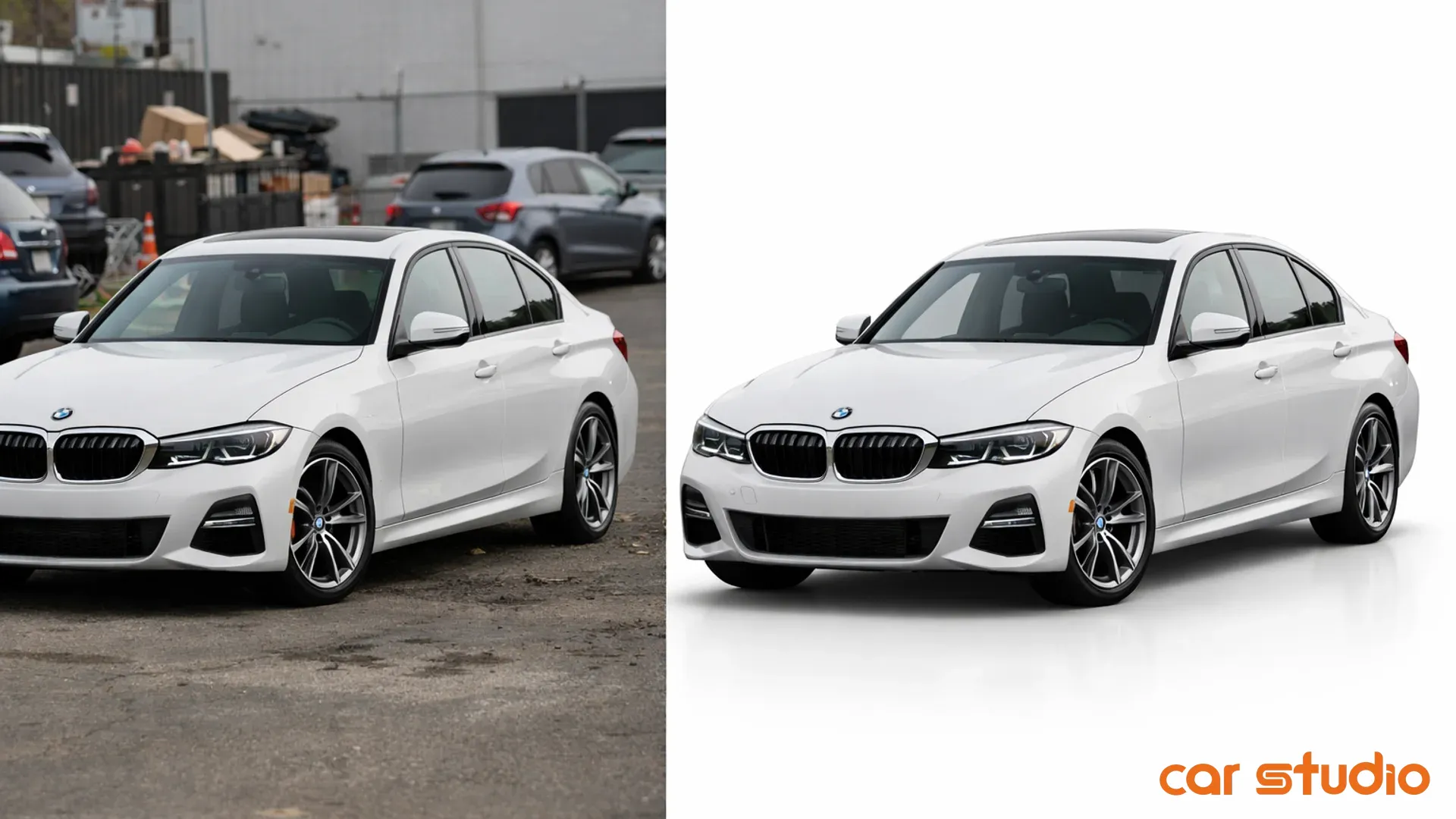
2026'da Konsinye Araç Satışları: Yapay Zeka Destekli Fotoğraf Standardizasyonu Güveni ve Potansiyel Müşterileri Nasıl Artırır?
Konsinye araç satışları, sahiplerinin kolaylık istemesi ve bayilerin nakit bağlamadan envanter istemesi gibi iki sorunu aynı anda çözdüğü için büyüyor. Ancak çevrimiçi ortamda daha fazla araç rekabet ettikçe, bir alıcının tıklamasını, güvenmesini ve sizinle iletişime geçmesini belirleyen tek bir faktör giderek daha önemli hale geliyor: fotoğraflar.
Konsinye operasyonları için fotoğrafçılık benzersiz bir şekilde zorlayıcıdır. Araçlar farklı sahiplerden, farklı koşullarda ve farklı yerlerde—otoparklar, garajlar, bulutlu günler, sert güneş ışığı—çekilir. Sonuç, dönüşüm oranlarını sessizce azaltabilen tutarsız listelemelerdir.
Yapay zeka destekli araç fotoğrafçılığı bunu değiştiriyor. Görüntü kalitesini otomatik olarak iyileştirerek, arka planları değiştirerek ve listeleme görsellerini standartlaştırarak, modern “sanal araç stüdyosu” iş akışları, konsinye satıcılarının fiziksel bir stüdyonun ek yükü olmadan daha hızlı yayın yapmasına ve daha profesyonel görünmesine yardımcı oluyor.
Konsinye Modelinin Otomotiv Satışlarındaki Anlamı
Konsinye modelinde, bayilik veya satış ortağı, araç sahibinin adına bir araç satar. Bayi genellikle araç satıldığında bir komisyon kazanırken, sahibi mesajlaşma, pazarlık, görüntüleme planlama ve evrak işleri gibi özel satış görevlerinin zaman ve sürtünmesinden kaçınır.
Bu model bir kazan-kazan olabilir, ancak tek bir operasyonel gerçekliği vardır: hız ve sunum her şeydir. Bir aracı ne kadar hızlı listeleyebilir ve çevrimiçi ortamda güvenilir görünmesini sağlayabilirseniz, o kadar hızlı satılır.
Konsinye İşletmeleri Neden Listeleme Fotoğraflarıyla Mücadele Ediyor?
Geleneksel envanterin aksine, konsinye araçlar tek bir standartlaştırılmış boru hattından gelmez. Bu da fotoğrafçılığı varsayılan olarak tutarsız hale getirir.
Yaygın sorunlar şunları içerir:
Bir alıcı bilinçli olarak “bu bayinin tutarsız fotoğrafları var” demeyebilir, ancak bunu hisseder. Ve güven azaldığında, potansiyel müşteri kalitesi de düşer.
Fiziksel Bir Araç Fotoğraf Stüdyosunun Gizli Maliyeti
Bazı bayilikler, tutarsızlığı çözmek için şirket içi bir fotoğraf stüdyosu kurmaya çalışır. Buradaki zorluk, stüdyo iş akışlarının pahalı ve yavaş hale gelebilmesidir—özellikle hacim ve geri dönüş süresinin önemli olduğu konsinye için.
Ekipman ve alanın ötesinde, şunlar için de ödeme yaparsınız:
Sonuçlar iyi olsa bile, operasyonel maliyeti haklı çıkarmak zor olabilir—özellikle her yerde tutarlı çıktıya ihtiyaç duyan çok konumlu konsinye ortakları için.
Yapay Zeka Destekli Bir Araç Stüdyosu İş Akışı Nasıl Görünür?
Yapay zeka tabanlı bir iş akışı, iyi fotoğrafçılık temellerinin yerini almaz—fotoğraf çekildikten sonraki darboğazları ortadan kaldırır.
Pratik bir akış genellikle şöyle görünür:
İşte burada modern yapay zeka araç fotoğraf düzenlemesi, “fotoğraf manipülasyonundan” çok listeleme üretim otomasyonu gibi hissettiriyor.
Arka Plan Değiştirme Neden Alıcı Güvenini Artırır?
Konsinye için arka plan değiştirme, arabanın sahte görünmesini sağlamakla ilgili değildir. Alıcıların tereddüt etmesine neden olan alakasız gürültüyü ortadan kaldırmakla ilgilidir.
Temiz, standartlaştırılmış bir ortam:
Her listeleme tutarlı bir görsel standardı takip ettiğinde, siteniz—arabalar düzinelerce farklı sahibinden gelse bile—bir showroom gibi düzenlenmiş görünür.
Fotoğraf Standardizasyonu: Envanterinizin Premium Görünmesini Sağlamanın En Hızlı Yolu
Çoğu bayi, daha iyi fotoğrafların anahtarının “daha iyi kameralar” olduğunu düşünür. Gerçekte, anahtar tutarlılıktır.
Standartlaştırılmış fotoğraflar size yardımcı olur:
En iyi performans gösteren e-ticaret markalarının ürün fotoğrafçılığını standartlaştırmasının nedeni de budur. Konsinye envanteri esasen e-ticarettir—daha yüksek bilet boyutu ve daha yüksek güven gereksinimleriyle.
Alt Şasi Fotoğrafları: Doğru Yapıldığında Konsinye Avantajı
Birçok ciddi ikinci el araç alıcısı, aracın altındaki şeyleri önemser. Net alt şasi fotoğrafları, ileri geri iletişimi azaltabilir ve nitelikli alıcıların daha erken güven duymasına yardımcı olabilir.
Buradaki zorluk, alt şasi çekimlerinin genellikle karanlık, düşük kontrastlı veya garip koşullarda çekilmesidir. Yapay zeka geliştirme, görünürlüğü ve netliği artırarak yardımcı olabilir—fotoğrafın gösterdiği temel gerçeği değiştirmeden.
Konsinye süreciniz denetimleri içeriyorsa, bu kontrolleri okunabilir alt şasi görüntüleriyle eşleştirmek sessiz bir güven çarpanı olabilir.
Yapay Zeka Düzenleme ve “Araç Modifikasyonu” İçeriği: Otantik Kalın
Çevrimiçi ortamda sanal kişiselleştirmeye artan bir ilgi var—insanlar arabaları kişiselleştirmek, modifikasyonları görselleştirmek ve stil ile denemeler yapmak istiyor. Ancak konsinye listelemelerinin farklı bir amacı var: doğru temsil.
Güçlü bir konsinye fotoğraf iş akışı şunlara odaklanır:
Araç satışları için en iyi yapay zeka araçları, profesyonel bir üretim ekibi gibi—“ayarlama simülatörü” gibi değil—davranır.
Bu Neden 2026'da Her Zamankinden Daha Önemli?
Çevrimiçi rekabet arttıkça, alıcılar birden fazla listelemeyi hızla karşılaştırır. Benzer araçlar aynı fiyat aralığında rekabet ettiğinde, küçük sunum farklılıkları potansiyel müşteriyi kimin alacağını belirleyebilir.
Konsinye ekipleri için yapay zeka fotoğraf standardizasyonu artık “olması güzel” bir şey değil. Bu bir operasyonel avantajdır:
Son Çıkarım: Fotoğraflar Darboğaz Olmaktan Çıktığında Konsinye Kazanır
Konsinye modeli, araçları hızlı bir şekilde alıp, listelemeleri güvenle yayınlayabildiğinizde ve her aracı aynı profesyonel showroom'a aitmiş gibi sunabildiğinizde ölçeklenir.
Yapay zeka destekli arka plan değiştirme ve fotoğraf standardizasyonu, geleneksel stüdyo kurulumlarının maliyeti ve sürtünmesi olmadan bunu mümkün kılar.
Bir konsinye operasyonu kuruyor veya büyütüyorsanız, soru artık “Daha iyi fotoğraflara ihtiyacımız var mı?” değil. Soru, “Bunları her zaman, her yerde ne kadar hızlı standartlaştırabiliriz?”