

AI Blue-Book Insights: Predicting Car Value from Just Photos
In the ever-accelerating world of car sales, one truth stands firm time equals money. Dealers, used-car traders, and online automotive platforms can’t afford to waste hours inspecting vehicles when pricing decisions need to happen in minutes. That’s where artificial intelligence steps in, quietly transforming how the industry measures value.
Today, you can upload a few photos, and advanced AI systems can predict a car’s resale value almost instantly. It sounds futuristic, but this technology is already changing how we buy, sell, and even maintain our cars. It’s fast, data-driven, and surprisingly a little personal.
The Changing Face of Car Valuation
Traditionally, assessing a car’s value required physical inspections, VIN checks, and the seasoned eye of an appraiser. It worked but it was slow, subjective, and often inconsistent. Two experts could look at the same BMW and disagree by thousands.
Now imagine replacing that entire process with a digital system that “sees” the car’s condition, reads every visible cue, and cross-references it with millions of comparable images. That’s what AI valuation does.
At Car Studio AI, we use deep-learning technology that transforms ordinary vehicle photos into structured data the kind of data that can tell you whether a car has been well maintained, repainted, or lightly damaged, even before a human inspector notices. This is more than a convenience; it’s a revolution in automotive trust.
And speaking of trust, preparation still matters. In our guide on car maintenance essentials that maximize resale value, we explain how something as simple as tire condition or paint gloss can influence an AI-powered valuation. Good maintenance doesn’t just please buyers it trains algorithms to like your car more.
How AI Reads the Invisible
Artificial intelligence doesn’t just “see” a car; it interprets it. Using advanced computer vision, AI models analyze reflections, color consistency, symmetry, and even micro-damage that human eyes often miss.
Imagine uploading a photo of a sedan with a nearly invisible scratch on the door. An AI system can detect the defect by analyzing light distortion and adjust the estimated value accordingly. This kind of precision has already reduced human error in image-based appraisals by nearly 30%, according to recent industry data.
In fact, our research in how AI Blue-Book tools predict used-car value from images shows that deep learning doesn’t just speed up valuation it learns from every new image, improving continuously as more data flows in.
That means the more cars it sees, the better it gets. Over time, it begins to spot subtle cues that might indicate prior damage, aftermarket modifications, or mileage wear all just from photographs.
From 30 Minutes to 5: The Speed Advantage
In a traditional dealership workflow, appraising a single car could take half an hour or more. But AI can perform that task in under five minutes.
Take an online marketplace, for example: when a seller uploads new inventory photos, the AI immediately scans them, assesses the vehicle’s condition, and syncs the valuation to the listing system all before a human even clicks “review.”
This speed doesn’t just improve efficiency; it changes the rhythm of entire businesses. Dealers can process 10× more vehicles per day, and buyers benefit from fairer, more transparent pricing.
Integration That Feels Effortless
One of the most underrated strengths of AI valuation is its ability to integrate with existing CRM and ERP systems. Instead of adding another complicated layer, it simply becomes part of the workflow.
A dealership might, for instance, plug AI valuation into its inventory management tool so that as new photos arrive, car values update automatically in real time. This automation keeps pricing consistent across platforms and reduces the risk of outdated data.
And because all this involves sensitive visual and customer information, modern AI solutions are designed with data-security features that comply with GDPR and automotive data regulations. Your photos and your pricing stay exactly where they belong safe and encrypted.
Where Maintenance Meets Machine Learning
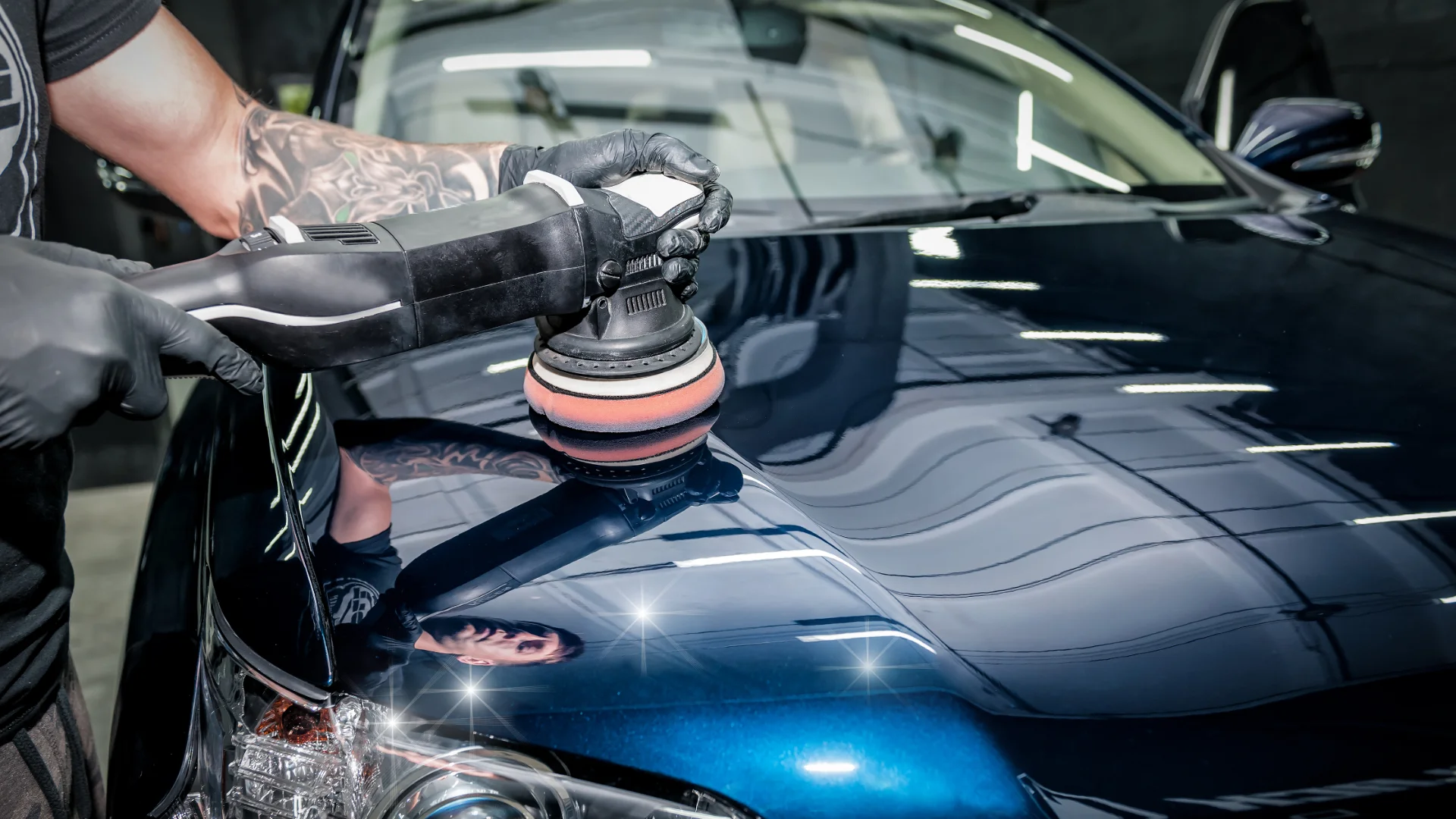
What’s fascinating is how the smallest upkeep choices can change what the AI sees. A freshly polished surface reflects light differently than an oxidized one; a clean interior image signals care and reliability.
In fact, we explored this idea in our post on car maintenance tips before selling and how AI is quietly changing the game. The article points out that AI doesn’t just value your car; it judges your habits. Regular servicing, proper cleaning, even how you photograph your car all of it becomes part of the dataset shaping its final number.
This means sellers who understand what AI looks for can directly influence their car’s algorithmic appeal. It’s not cheating it’s smart preparation.
Predicting the Future from the Present
The next frontier of AI valuation goes beyond static images. Imagine a system that doesn’t just value your car as it is today, but predicts what it’ll be worth six months from now adjusting for maintenance patterns, local market trends, and even the likelihood of future repairs.

Such predictive models are already being tested, combining photo data with IoT sensors, on-board diagnostics, and maintenance records. One day soon, your car might update its own “AI Blue Book” value every time you drive.
Think of it like a live financial chart your vehicle’s worth fluctuating in real time based on its behavior, environment, and visual condition.
A Human Touch in a Digital System
It’s easy to think of AI as cold and impersonal, but the truth is: it’s only as human as the data we give it. Every photo uploaded, every valuation corrected, every car meticulously maintained these are human actions teaching the system empathy in its own way.
When I look at AI valuation, I don’t see a replacement for human intuition; I see an amplifier. It brings consistency to what was once subjective, and scale to what was once slow.
It also reminds us that presentation still matters. Clean photos, honest angles, and transparent details make both buyers and algorithms more confident. And if you treat your car well, the AI will notice just like a person would.
The Road Ahead
In the coming years, AI car valuation will likely evolve into a hybrid ecosystem one where visual AI, historical data, and predictive analytics merge into a single intelligent layer of the automotive market.
You might soon receive an instant, dynamic price for your car based purely on a few smartphone snapshots and verified maintenance data. That’s the world we’re heading toward a world where AI doesn’t replace trust, it creates it.
The key takeaway? Embrace the technology, but never forget the human side of it. AI will get you 95% of the way there your care, transparency, and authenticity will take you the rest of the way.
Final Thoughts
Artificial intelligence isn’t just automating car valuation it’s redefining how we think about value itself. Whether you’re a dealership optimizing pricing or an individual preparing to sell, understanding how AI interprets your car’s story is the smartest move you can make.
If you’d like to explore this topic more deeply, you might enjoy reading our related pieces on car maintenance tips before selling and how AI Blue-Book tools predict value from images. Together, they paint a fuller picture of how today’s smart imaging and machine learning technologies are rewriting the rules of resale.
In the end, your car’s value isn’t just about metal and mileage it’s about perception, precision, and presentation. AI can read the first two. The third is still entirely up to you.
FAQ: Understanding AI-Driven Car Valuation
How accurate is AI in determining car value from photos?
AI valuation tools have grown remarkably precise in recent years. When trained on large and diverse datasets including millions of car photos, verified sales records, and market data they can achieve accuracy levels that rival or even exceed those of human appraisers.
What makes AI especially reliable is its consistency: it evaluates every car by the same visual and statistical standards, without being influenced by fatigue or bias. And when connected to real-time data sources like live market trends, demand signals, and regional price fluctuations, the system adjusts valuations dynamically something even the best experts can’t do manually.
In practice, that means your car’s AI-generated valuation today might automatically update tomorrow if the market shifts or similar models sell for higher prices.
What types of images are needed for AI valuation?
Quality is everything. AI models rely on clear, well-lit photos showing multiple angles front, rear, sides, interior, dashboard, and odometer. High resolution helps the system detect micro-details like surface wear, paint irregularities, or mismatched panels.
Natural daylight usually produces the best results. Avoid shadows, filters, or reflections that might distort color and shape recognition. Think of it this way: if a person could easily spot minor scratches in the picture, the AI can too.
We recommend following some of the same best practices shared in Car Studio AI’s maintenance and photo-prep guide, where you’ll find simple tips for capturing photos that not only help AI see your car clearly but also appeal to real buyers.
Can AI detect non-visible defects from photos?
Not directly but it’s getting close. AI is exceptional at interpreting visible clues, such as tire wear, exhaust discoloration, or uneven panel alignment, which can indicate deeper issues. However, invisible defects (like internal engine wear, electrical faults, or suspension noise) still require complementary data.
That’s where integration comes in. When AI systems are paired with diagnostic data or maintenance records, they can infer probable issues based on age, mileage, and pattern recognition. For example, if the AI detects faded headlights and worn tires on a six-year-old SUV, it might predict a higher chance of pending brake or suspension work adjusting its valuation accordingly.
Is AI car valuation more cost-effective than traditional methods?
Absolutely. Traditional appraisals depend on trained staff, physical inspections, and time all of which come with labor costs. An AI system can appraise thousands of vehicles in a fraction of that time, cutting overhead drastically.
For dealerships, this translates into reduced staffing needs, faster inventory turnover, and greater accuracy across all branches. For individuals, it means instant access to a realistic market estimate without scheduling an appointment or paying inspection fees.
It’s not just cheaper; it’s scalable. Whether you’re valuing one car or a thousand, the marginal cost stays close to zero once the AI is in place.
How does AI handle different car models and brands?
AI models are trained on massive, brand-diverse datasets that include vehicles from nearly every major manufacturer and model year. This diversity allows them to recognize differences in design, trim levels, and even region-specific variations.
For instance, the same Toyota Corolla might have different trim packages in Europe versus the U.S. the AI knows this because it’s been trained on data from both regions. Likewise, it can distinguish between factory modifications and aftermarket add-ons, both of which can affect resale value differently.
In short, the more images and sales data the AI learns from, the smarter and fairer it becomes. It doesn’t just “know cars” it understands them.