
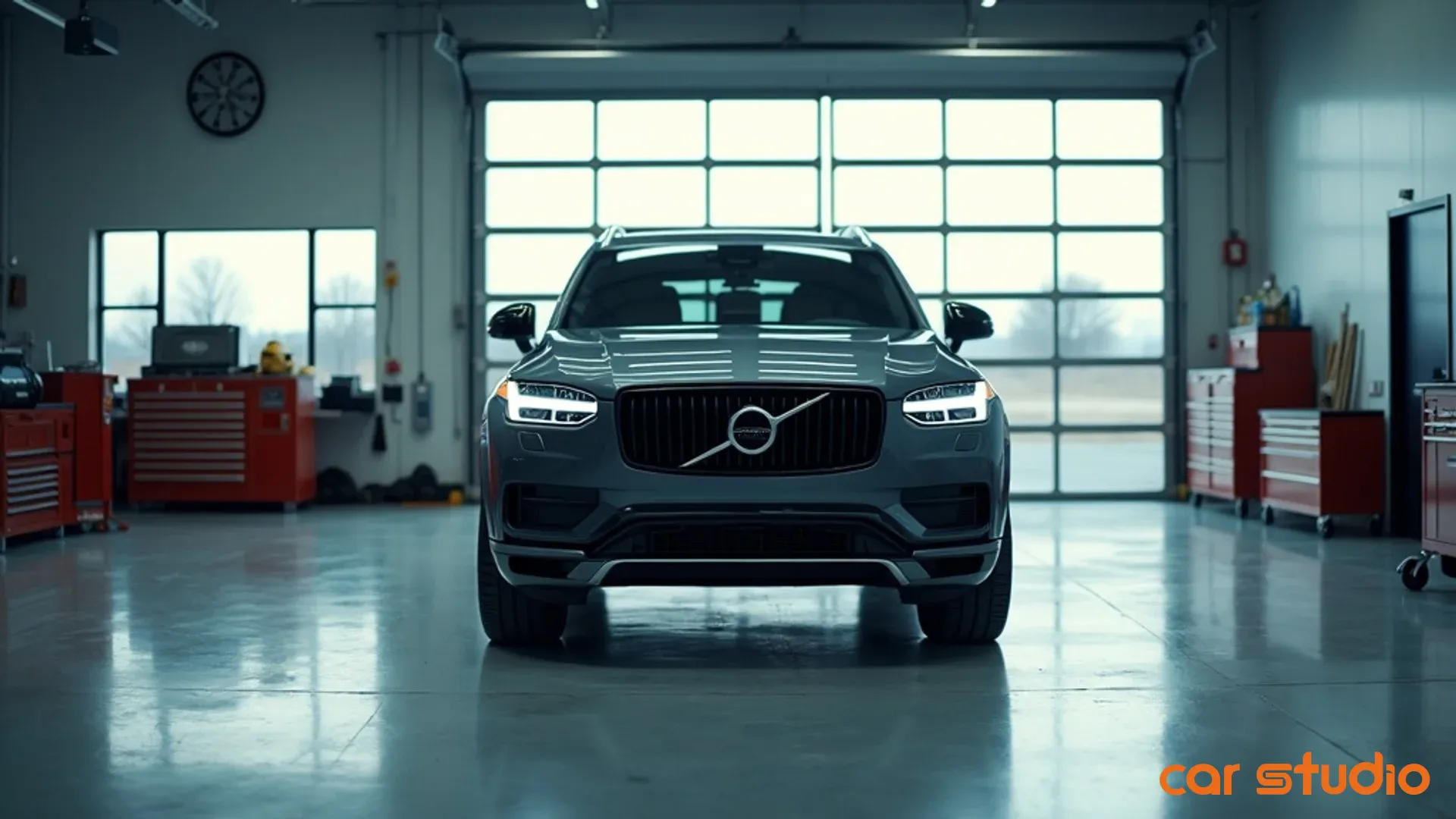

How AI Merchandising Helps Dealers Turn Used Cars Faster
Every day a used car sits on your lot costs you money. Not metaphorically. Literally. Floor plan interest, depreciation, opportunity cost, and the compounding risk that your best units become your oldest units. The average dealership loses between $25 and $50 per vehicle per day in holding costs alone, and that's before you factor in the margin erosion that happens when a 30-day-old car becomes a 60-day problem child requiring price cuts to move.
The culprit isn't always acquisition strategy or pricing. It's merchandising speed. Specifically, the glacial pace at which vehicles move from the moment they hit your lot to the moment they go live online with photos, descriptions, and data that actually compel a shopper to click, call, or visit.
Most dealers think about AI in automotive technology as chatbots, lead response tools, or CRM automation. Those matter. But they're downstream solutions. They help you handle demand. They don't create it. The real leverage point is upstream: using AI to transform how quickly and effectively you present each vehicle asset to the market. When you automate photo enhancement, description generation, and data accuracy at the point of merchandising, you collapse time to market and immediately improve your inventory turn rate.
This isn't theory. Dealerships using AI-powered merchandising workflows are getting cars online in hours instead of days, with VDP quality that matches or exceeds what their teams could produce manually. The result is measurable: more VDP views, higher lead volume per unit, and faster sales cycles. This article will show you exactly how to build that system in your store.
The High Cost of Slow Merchandising: From Lot to Live
Let's start with the math you already know but might not be tracking at the unit level.
A used car that takes five days to merchandise and publish online is invisible to the market for five days. During that window, you're paying floor plan interest. The vehicle is depreciating. Competitive units are being listed and sold. And your sales team has nothing to show online shoppers who are ready to buy right now.
Assume a $20,000 used car with a 6% annual floor plan rate. That's about $3.30 per day in interest. Add in depreciation, which varies by segment but averages $15 to $25 per day for most used inventory. You're looking at $18 to $28 per day in direct holding costs. Multiply that by 50 units in recon or waiting to go live, and you're burning $900 to $1,400 per day as a dealership.
But the bigger cost is opportunity cost. Every day a car isn't online is a day you're not generating leads. Industry benchmarks suggest a well-merchandised VDP generates 50 to 150 views in its first week, depending on market and vehicle type. Delay that by even three days and you've lost a significant portion of that early visibility window when the vehicle is freshest and most competitive.
Modern consumers expect listings to be live, complete, and compelling. They're comparison shopping across multiple sites. If your VDP has mediocre photos, a generic description, or missing data, they move on in seconds. Slow merchandising doesn't just delay revenue. It actively reduces conversion rates because by the time your unit goes live, it's already older and your presentation quality is often rushed to compensate for the backlog.
The bottleneck is almost always the same: photo processing, description writing, and data entry. These tasks are manual, repetitive, and time-consuming. A typical dealership spends 30 to 90 minutes per vehicle on these steps, and that's if everything goes smoothly. When your photographer is behind, your lot attendant didn't pull the car to the right spot, or your internet manager is buried in leads, that timeline stretches to days.
This is where AI changes the game. Not by replacing your team, but by automating the repetitive, high-volume tasks that create the merchandising bottleneck in the first place.
Beyond Chatbots: Defining AI for Used Car Merchandising
When most dealers hear "AI," they think of chatbots answering website inquiries or CRM tools scoring leads. Those are valid applications, but they're focused on the customer interaction layer. Merchandising AI operates earlier in the funnel. It works on the vehicle itself, transforming raw inputs into polished, market-ready assets.
Merchandising AI has three core functions.
First, visual asset optimization. AI can automatically enhance photos by adjusting lighting, removing backgrounds, correcting perspective distortion, and ensuring color accuracy. Some platforms can even generate 360-degree spins or video walkarounds from a standard photo set. The goal is to take inconsistent, amateur-quality images and turn them into professional, showroom-grade visuals without requiring a professional photographer or hours of manual editing.
Second, descriptive content generation. AI can analyze a VIN, pull specs and features, and generate compelling, accurate vehicle descriptions that highlight key selling points, include relevant keywords for SEO, and match your brand voice. This eliminates the need for your team to write descriptions from scratch or copy-paste generic templates that do nothing to differentiate your inventory.
Third, data consistency and syndication. AI can ensure that vehicle data is accurate, complete, and formatted correctly across all the platforms where your inventory appears: your website, third-party listing sites, social media, and inventory feeds. It can flag missing information, correct common errors, and automate the syndication process so updates happen in real time instead of requiring manual uploads or batch processes.
The key difference between merchandising AI and other automotive technology tools is focus. Merchandising AI treats the vehicle as the product. It's about making that product look better, sound better, and reach the market faster. Everything else in your tech stack depends on this foundation. You can have the best CRM, the smartest chatbot, and the most aggressive digital advertising, but if your VDPs are weak, none of it matters.
Platforms like Car Studio AI are purpose-built for this workflow. They unify photo editing, description generation, and data management in a single interface, so your team doesn't have to toggle between five different tools or manually transfer information. The result is a streamlined process that takes minutes per vehicle instead of hours.
The Pillars of High-Velocity Merchandising
To build a merchandising system that actually accelerates inventory turn, you need to get three things right: imagery, descriptions, and data hygiene. These are the pillars. Miss one, and the whole system underperforms.
Pillar 1: Perfect, Consistent, and Compliant Imagery
Photos are the first thing a shopper sees. They're also the primary filter. If your images are dark, cluttered, or inconsistent, shoppers scroll past. If they're sharp, well-lit, and professional, shoppers engage.
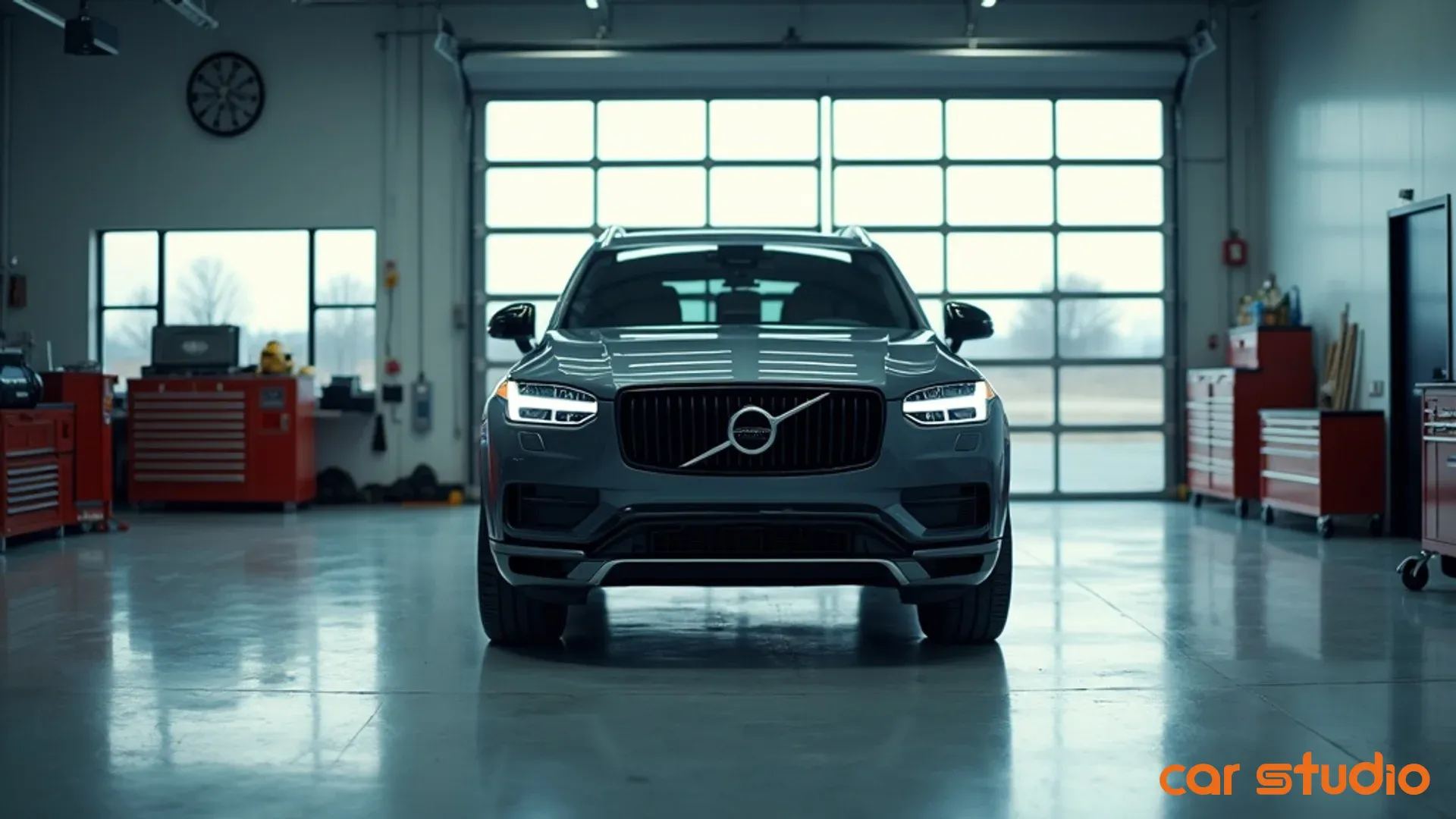
The problem is that most dealerships rely on lot attendants or porters to shoot photos with smartphones. The results are wildly inconsistent. Lighting varies by time of day and weather. Backgrounds are cluttered with other cars, buildings, or distractions. Angles are inconsistent. Some cars get 20 photos, others get 12. Some have interior shots, others don't.
AI solves this by standardizing and enhancing images automatically. An AI photo editor can take a raw smartphone image and apply consistent lighting, remove distracting backgrounds, correct lens distortion, and even adjust the vehicle's position in the frame. The output looks like it was shot in a studio, but the input was captured in three minutes on the lot.
This matters for two reasons. First, it improves conversion. Shoppers spend more time on VDPs with high-quality images and are more likely to submit a lead or call. Second, it improves your brand perception. Consistent, professional imagery signals that you're a serious, trustworthy dealer. Inconsistent, amateur photos signal the opposite.
Compliance is another factor. Some third-party listing sites have photo requirements: minimum resolution, no watermarks, no text overlays, no people in the frame. AI can automatically ensure your images meet these standards before syndication, reducing the risk of rejected listings or manual rework.
Pillar 2: Compelling, Accurate, and SEO-Rich Descriptions
Descriptions are where most dealers either copy-paste generic templates or write nothing at all. Both approaches leave money on the table.
A great vehicle description does three things. It highlights the features and benefits that matter to the buyer. It includes keywords that help the listing rank in search results. And it matches your dealership's brand voice so the copy feels authentic, not robotic.
AI can generate descriptions that check all three boxes. By analyzing the VIN and pulling data from multiple sources, AI can identify the key features, options, and selling points for each vehicle. It can then structure that information into a narrative that's easy to read and persuasive. And because it's trained on SEO best practices, it naturally incorporates relevant keywords without sounding forced.
For example, instead of "2021 Honda Accord. Clean. Low miles. Call for details," an AI-generated description might read: "This 2021 Honda Accord EX-L combines refined comfort with advanced safety features, including Honda Sensing, leather-trimmed seats, and a premium audio system. With just 28,000 miles and a clean Carfax report, this one-owner sedan is ready for years of reliable performance. Schedule your test drive today."
The difference is obvious. The second version is specific, benefit-focused, and actionable. It also includes keywords like "Honda Sensing," "leather-trimmed seats," "clean Carfax," and "one-owner," which help the listing appear in more search results.
The best part? AI can generate descriptions like this in seconds, not minutes. Your team reviews and approves, but they're not starting from scratch. This alone can save 10 to 15 minutes per vehicle, which adds up fast when you're merchandising 50 to 100 units per month.
Pillar 3: Centralized Data Hygiene and Syndication
Data accuracy is the invisible pillar. Shoppers don't notice when it's right, but they definitely notice when it's wrong. Incorrect mileage, missing features, wrong trim level, or outdated pricing all erode trust and kill conversions.
The challenge is that vehicle data lives in multiple places: your DMS, your website, third-party listing sites, inventory feeds, and social media. Keeping all of these sources in sync manually is tedious and error-prone. One missed update and you've got a car listed at two different prices on two different sites.
AI-powered data management platforms centralize this process. You update the data once, and it syndicates automatically to all connected channels. The system can also flag inconsistencies, missing fields, or data that doesn't match the VIN decode. This reduces errors and ensures that every listing is complete and accurate before it goes live.
This is especially important for used car dealer enterprise operations with multiple rooftops or high inventory volumes. Manual data entry doesn't scale. AI does.
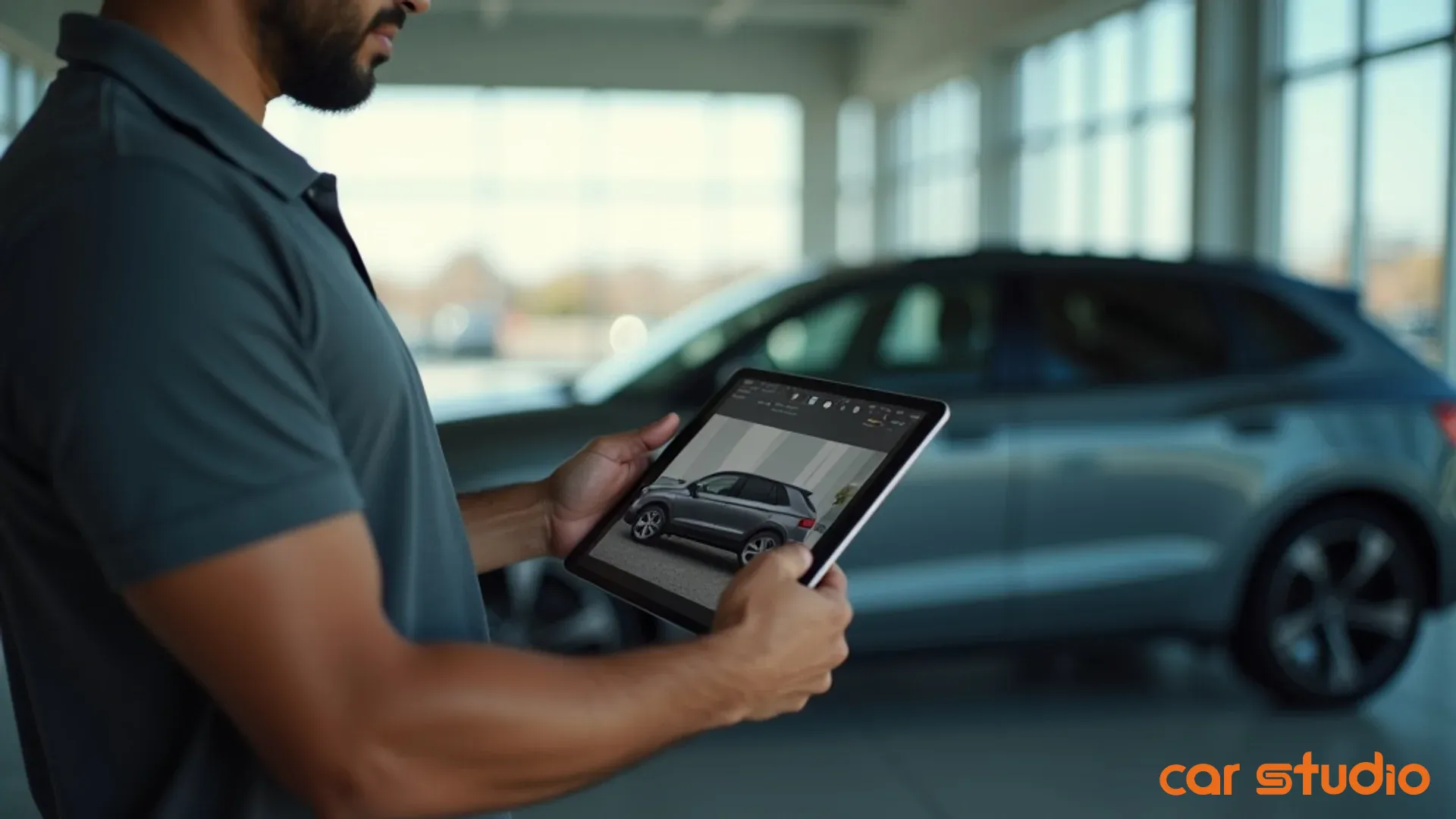
Implementation Playbook: Your AI Merchandising System
Building an AI merchandising system isn't about ripping out your entire workflow and starting over. It's about identifying the bottlenecks, introducing automation at the right points, and training your team to use the new tools effectively. Here's how to do it in four steps.
Step 1: Audit Your Current VDP Creation Process
Start by mapping your existing workflow from acquisition to live. Document every step, every handoff, and every delay point.
Ask these questions. How long does it take from the moment a car hits the lot to the moment photos are taken? How long does it take to edit and upload those photos? Who writes the descriptions, and how long does that take? How is data entered into your DMS and syndicated to listing sites? Where do errors or delays most commonly occur?
Most dealers discover that the biggest delays happen in three places: waiting for photos to be taken, waiting for photos to be edited, and waiting for descriptions to be written. These are the tasks that AI can automate or accelerate.
Document your current timeline and cost per vehicle. If it takes 60 minutes of labor at a blended rate of $25 per hour, that's $25 per vehicle in direct labor cost. Multiply that by your monthly acquisition volume and you'll see the total cost of your current process.
Step 2: Define Your New Brand and Quality Standards
Before you introduce AI, define what "good" looks like. What are your photo standards? How many images per vehicle? What angles and shots are required? What's your preferred background: lot, studio, or digitally replaced?
What's your brand voice for descriptions? Formal or conversational? Feature-focused or benefit-focused? How long should descriptions be? What keywords or phrases should be included?
What data fields are mandatory before a vehicle goes live? Mileage, VIN, trim, exterior color, interior color, key features, price, and Carfax link are the baseline. What else matters for your market?
Write this down. Create a one-page merchandising standard that your team can reference. This becomes the benchmark against which you evaluate AI outputs. The goal isn't perfection. It's consistency and speed.
Step 3: Integrate AI Tools into Your Workflow
Now you're ready to introduce AI. Start with one tool that addresses your biggest bottleneck. If it's photo editing, start with an AI photo enhancer. If it's descriptions, start with an AI content generator. If it's data syndication, start with a centralized inventory management platform.
Platforms like Car Studio AI are designed to handle all three in one system, which simplifies integration and reduces the number of logins and interfaces your team has to manage. But even if you're using multiple tools, the key is to integrate them into your existing workflow, not create a parallel process.
For example, if your current process is "lot attendant takes photos, uploads to shared drive, internet manager edits and uploads to website," the new process might be "lot attendant takes photos, uploads to AI platform, AI enhances and formats photos automatically, internet manager reviews and approves, AI syndicates to all channels."
The AI handles the repetitive, time-consuming tasks. Your team handles the review and approval. This keeps humans in the loop for quality control while eliminating the manual labor that creates bottlenecks.
Step 4: Train Staff and Measure Key Metrics
AI tools are only as effective as the people using them. Invest time in training your team. Show them how to upload photos, review AI-generated descriptions, and approve syndication. Walk through common issues and how to fix them. Make sure they understand that AI is a tool to make their jobs easier, not a threat to their roles.
Then measure results. Track these metrics before and after AI implementation:
- Average time from acquisition to live
- Labor hours per vehicle for merchandising
- VDP views per vehicle in the first 7 days
- Lead volume per vehicle
- Average days to sale
- Inventory turn rate
You should see improvement in all of these within 30 to 60 days. If you don't, revisit your workflow and identify where the process is breaking down. The most common failure mode is incomplete adoption. If only half your team is using the AI tools, you won't see the full benefit.
Quick Wins in 14 Days: Your First AI Merchandising Sprint
If you're not ready to overhaul your entire workflow, start with a focused sprint. Pick your 10 oldest or most challenging units and use AI to re-merchandise them. This gives you a low-risk way to test the tools, see measurable results, and build internal buy-in.
Here's the sprint plan.
Day 1: Identify your 10 target units. These should be cars that have been on the lot for 45 days or more, or high-value units that aren't getting the lead volume you expected. Pull their current VDP metrics: views, leads, and days on lot.
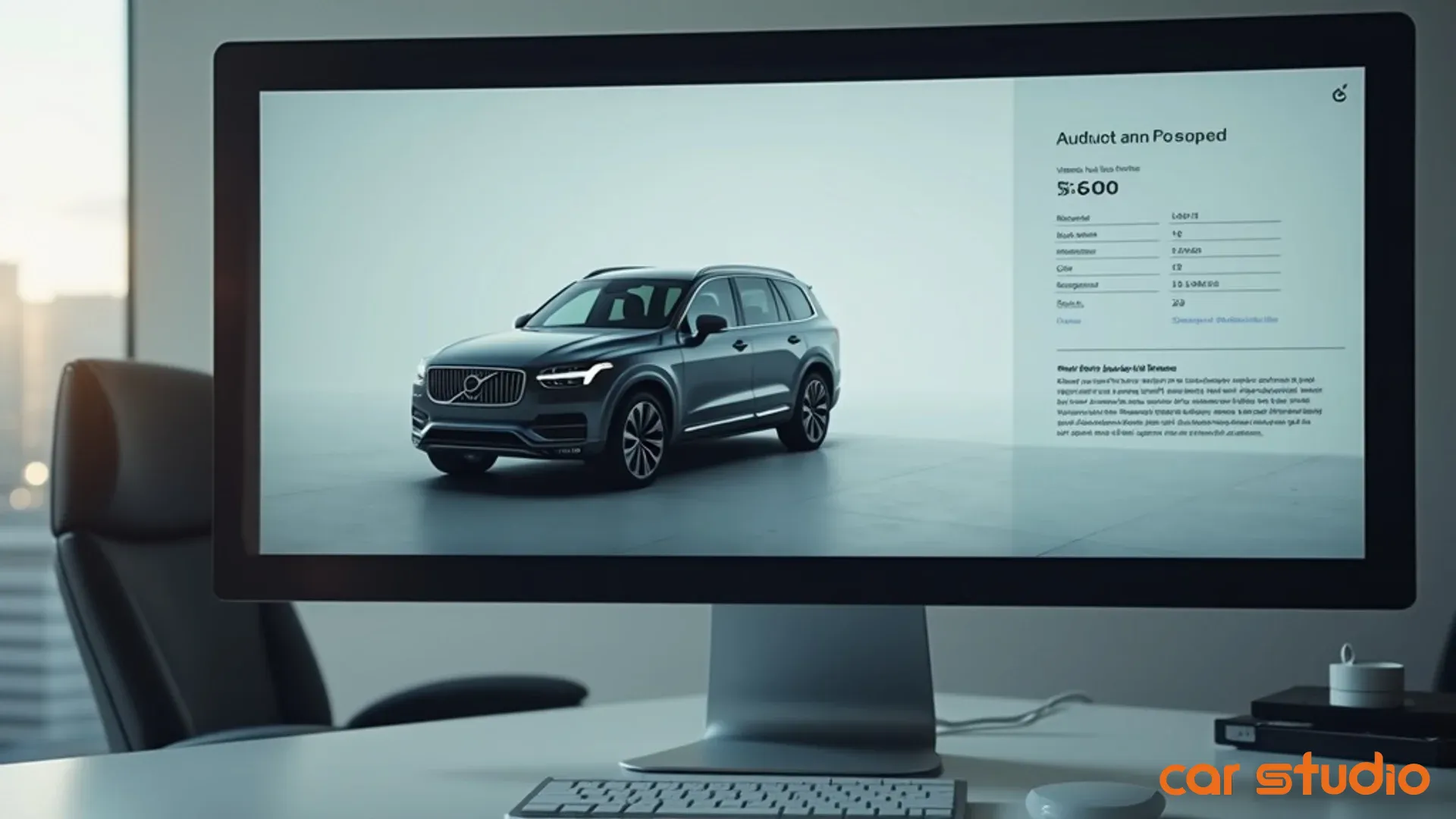
Days 2-3: Re-shoot photos if needed, or use your existing photos. Upload them to an AI photo editor like Car Studio AI. Let the platform enhance lighting, remove backgrounds, and standardize the presentation. Download the enhanced images.
Days 4-5: Use an AI description generator to create new, compelling descriptions for each unit. Review and edit for accuracy and brand voice. Make sure key features and benefits are highlighted.
Days 6-7: Update your VDPs with the new photos and descriptions. Syndicate the changes to all listing sites. Share the updated listings on social media and in email campaigns to your database.
Days 8-14: Monitor performance. Track VDP views, leads, and any changes in shopper engagement. Compare these metrics to the pre-sprint baseline.
In most cases, you'll see a noticeable lift in VDP views and lead volume within the first week. The improved presentation makes the vehicles more competitive, and the fresh content signals to listing site algorithms that the inventory is active and relevant.
If the sprint works, scale it. Apply the same process to your next 20 units, then your next 50. Within 60 days, you can have your entire inventory re-merchandised with AI-enhanced assets.
Objections & Pitfalls to Avoid
Every new technology comes with concerns. Here are the most common objections dealers raise about AI merchandising, and the reality behind each one.
"AI is too expensive or too complex for my dealership."
Most AI merchandising tools are priced per vehicle or as a flat monthly subscription. The cost is typically $5 to $20 per vehicle, which is a fraction of what you're losing in holding costs and margin erosion. And because the tools are cloud-based and designed for non-technical users, implementation is straightforward. You don't need an IT team or a six-month integration project.
The real question isn't whether you can afford AI. It's whether you can afford not to use it when your competitors are.
"My team can just do this manually."
They can, but at what cost? If your internet manager is spending 60 minutes per vehicle on photos and descriptions, that's time they're not spending on lead follow-up, customer engagement, or strategic work. Manual processes don't scale, and they create bottlenecks that slow your entire operation.
AI doesn't replace your team. It frees them to focus on high-value tasks that actually require human judgment and relationship skills.
"What if the AI makes mistakes or produces low-quality content?"
This is a valid concern, and it's why human oversight is essential. AI should never publish content without review. Your team should always approve photos, descriptions, and data before they go live. The difference is that AI gives them a 90% complete draft to review and refine, instead of a blank page to fill from scratch.
The risk of poor AI deployment is real, but it's manageable. Choose reputable platforms with proven track records in automotive. Start small, test thoroughly, and scale only when you're confident in the output quality.
"We tried automation before and it didn't work."
Many dealers have been burned by overhyped technology that promised the world and delivered headaches. The difference with modern AI is maturity. The tools available today are purpose-built for automotive, trained on millions of vehicle images and descriptions, and designed to integrate with existing workflows.
The key is to set realistic expectations. AI won't magically sell cars. But it will make your merchandising faster, more consistent, and more effective. That's a meaningful competitive advantage in a market where speed and presentation matter more than ever.
One final pitfall to avoid: inconsistent deployment. If you use AI for some vehicles but not others, or if only part of your team adopts the tools, you won't see the full benefit. Commit to the process, train everyone, and make AI merchandising the standard, not the exception.
Turn Aging Inventory into Revenue
The dealerships that win in today's market aren't the ones with the best inventory or the lowest prices. They're the ones that get their inventory to market faster, present it better, and convert more shoppers into buyers. AI merchandising gives you all three.
By automating photo enhancement, description generation, and data syndication, you collapse the time from acquisition to live. You improve VDP quality and consistency. And you free your team to focus on selling instead of administrative tasks.
The result is measurable: faster inventory turn, lower holding costs, higher lead volume, and better gross profit per unit. The dealers who adopt AI merchandising now will have a significant advantage over those who wait.
Start with the 14-day sprint. Test the tools. Measure the results. Then scale the process across your entire inventory. The investment is minimal. The upside is substantial.
Ready to turn aging inventory into revenue? Schedule a demo to see Car Studio AI automate your merchandising workflow. See how the platform enhances photos, generates descriptions, and syndicates data across all your channels in minutes instead of hours.
Stop losing margin on slow-moving units. See a live demo of Car Studio AI and get a custom ROI projection for your dealership. Discover how much time and money you can save by automating the merchandising tasks that are slowing you down today.