
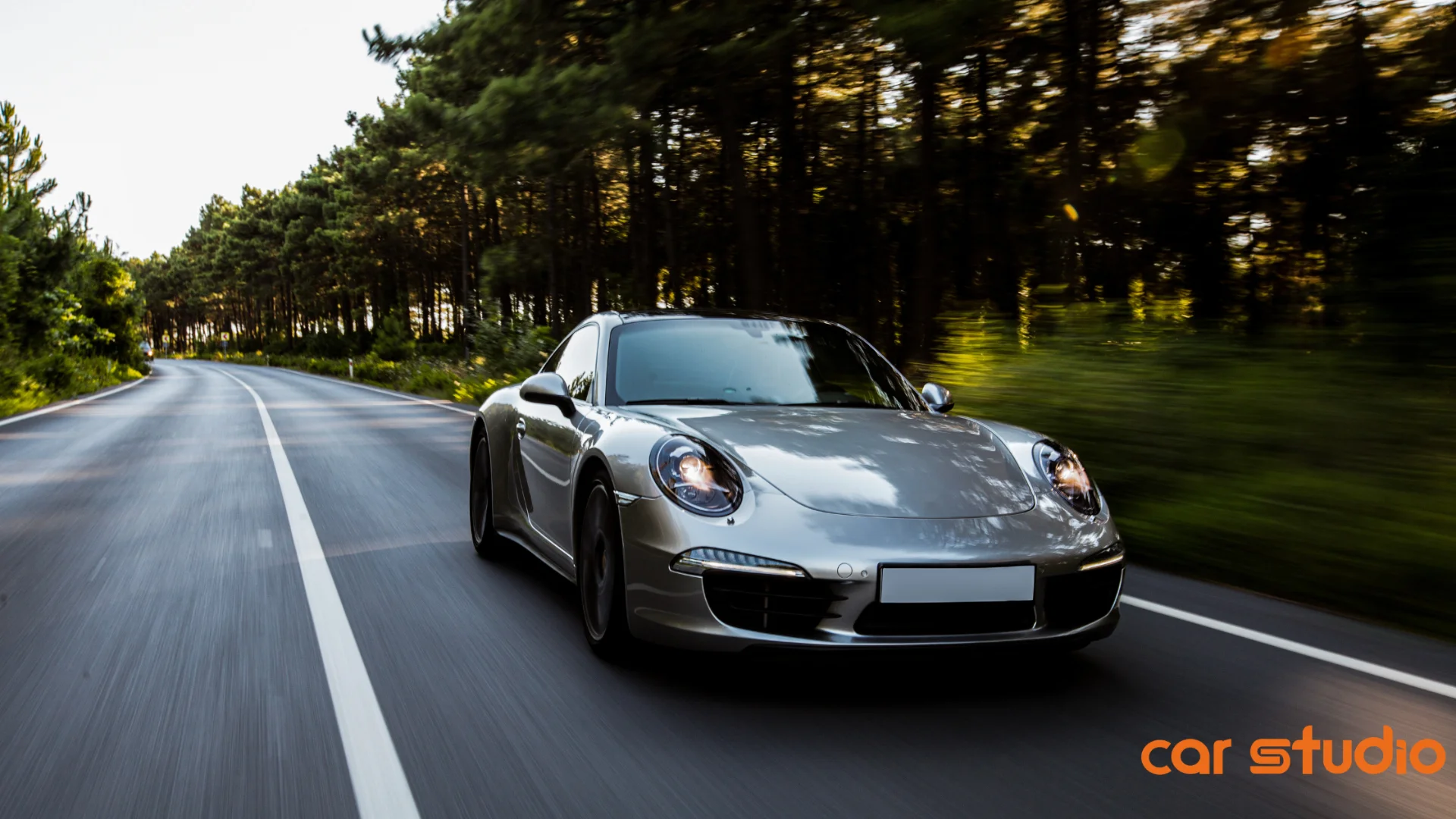

AI Photography Hacks That Make Any Car Look Luxury
In today’s competitive automotive market, the visual appeal of your car listings can significantly impact your business’s success. Buyers often make their first judgment long before they read a single detail about mileage or service history. High-quality images can capture the attention of potential buyers, enhance the perceived value of a vehicle, and ultimately increase click-through rates and sales. This is where AI photo editing becomes a game-changer, especially for automotive businesses aiming to scale up their online presence efficiently. Over the past few years, dealerships that embraced AI-driven visuals have seen their inventory stand out in crowded marketplaces, thanks to cleaner lighting, more accurate reflections, and consistent styling. As many experts point out in modern automotive photography discussions including analyses of studio-lighting approaches for used cars buyers subconsciously connect polished visuals with professionalism. With that in mind, let’s explore how mastering AI photo editing can transform your car dealership marketing strategy.
Why Quality Photos Matter in Car Listings
In the digital age, your online listing is often the first point of contact between your inventory and potential buyers. A single image can determine whether someone chooses to click into your listing or scroll past it. Studies show that listings with professional-grade photos can increase engagement rates by over 200%, but beyond the statistics, there’s a human element at play. People respond emotionally to well-lit, aesthetically pleasing visuals. High-quality images not only attract more views but also build trust, suggesting that the dealer pays attention to detail and values their offerings. When vehicles are photographed with lighting that highlights their contours something often discussed in studio-lighting best practices for automotive photography they feel newer, cleaner, and more well-maintained. It’s remarkable how small details like balanced reflections or a smooth, distraction-free background can dramatically shift a buyer’s perception of value.
The Impact on Click-Through Rates
Visual elements are among the top factors influencing click-through rates in online car listings. A sharp, well-composed photo can make your listing stand out in a sea of competitors, compelling potential buyers to learn more about the vehicle. I’ve watched countless dealerships upgrade their visuals and immediately notice a spike in listing activity not because the cars changed, but because the images finally reflected the true quality of those cars. AI plays a powerful role here, especially when it comes to controlling reflections and surface clarity. As explained in detailed reflections analyses within automotive imaging research, the way light interacts with a car’s body can completely transform how “luxury” it feels. A polished reflection can make even a modest model look elevated, while a chaotic or harsh reflection can cheapen the entire appearance. That’s why AI-enhanced consistency and clarity directly influence the buyer’s decision to click.
Building Brand Consistency
Using AI car photo editing tools ensures that every image reflects the quality and professionalism of your brand, maintaining consistency across all listings. This consistency reinforces your dealership’s identity and can enhance customer loyalty and brand perception. When a buyer sees image after image that follows the same lighting style, backdrop tone, and composition, they begin to recognize your brand even if they don’t consciously realize it. Automotive brands invest heavily in this type of visual DNA, and AI now makes it accessible to any dealership, regardless of size. This approach mirrors the broader shift described in discussions on how AI is transforming car photography, where consistency has become one of the strongest differentiators in digital marketplaces. When your listing photos look like they belong to the same family clean reflections, balanced shadows, unified backgrounds you’re not just selling cars; you’re selling a professional experience.
The Power of AI in Automotive Photography
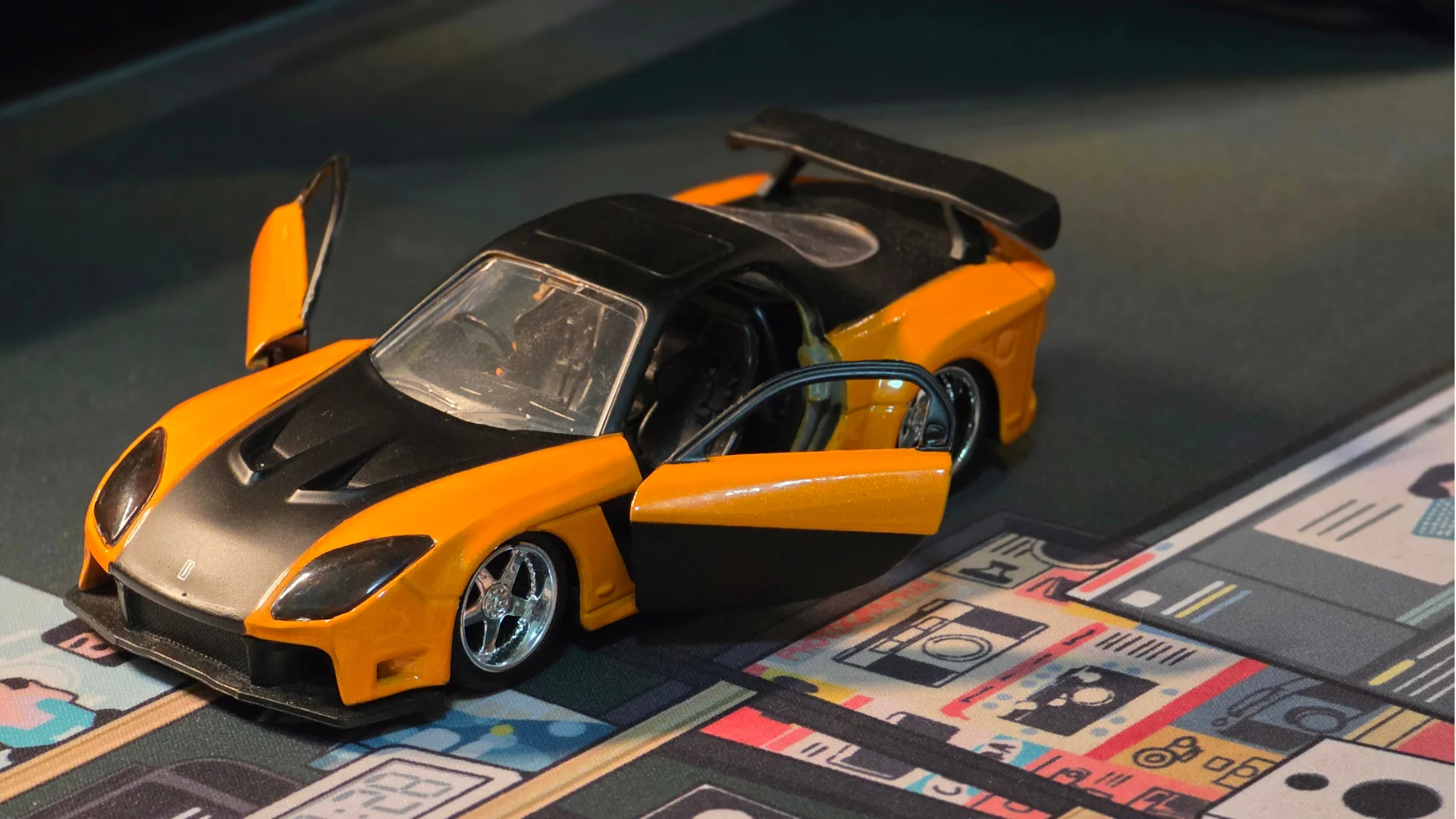
Leveraging AI for car photo editing not only streamlines the process but also brings a level of precision and efficiency that manual editing can’t match. What was once a tedious workflow involving retouching software, lighting adjustments, and background cleanup can now be achieved in seconds. AI doesn’t just make editing faster it makes it smarter. By recognizing the unique shapes and reflective patterns of vehicles, modern AI tools create images that feel studio-shot even when the original photo was taken outdoors. This evolution aligns closely with the growing use of AI-driven lighting simulations, which replicate real studio conditions without requiring any physical equipment. Combined with improved surface enhancement techniques that refine reflections and gloss levels, AI has introduced an entirely new era of automotive imagery.
Speed and Scalability
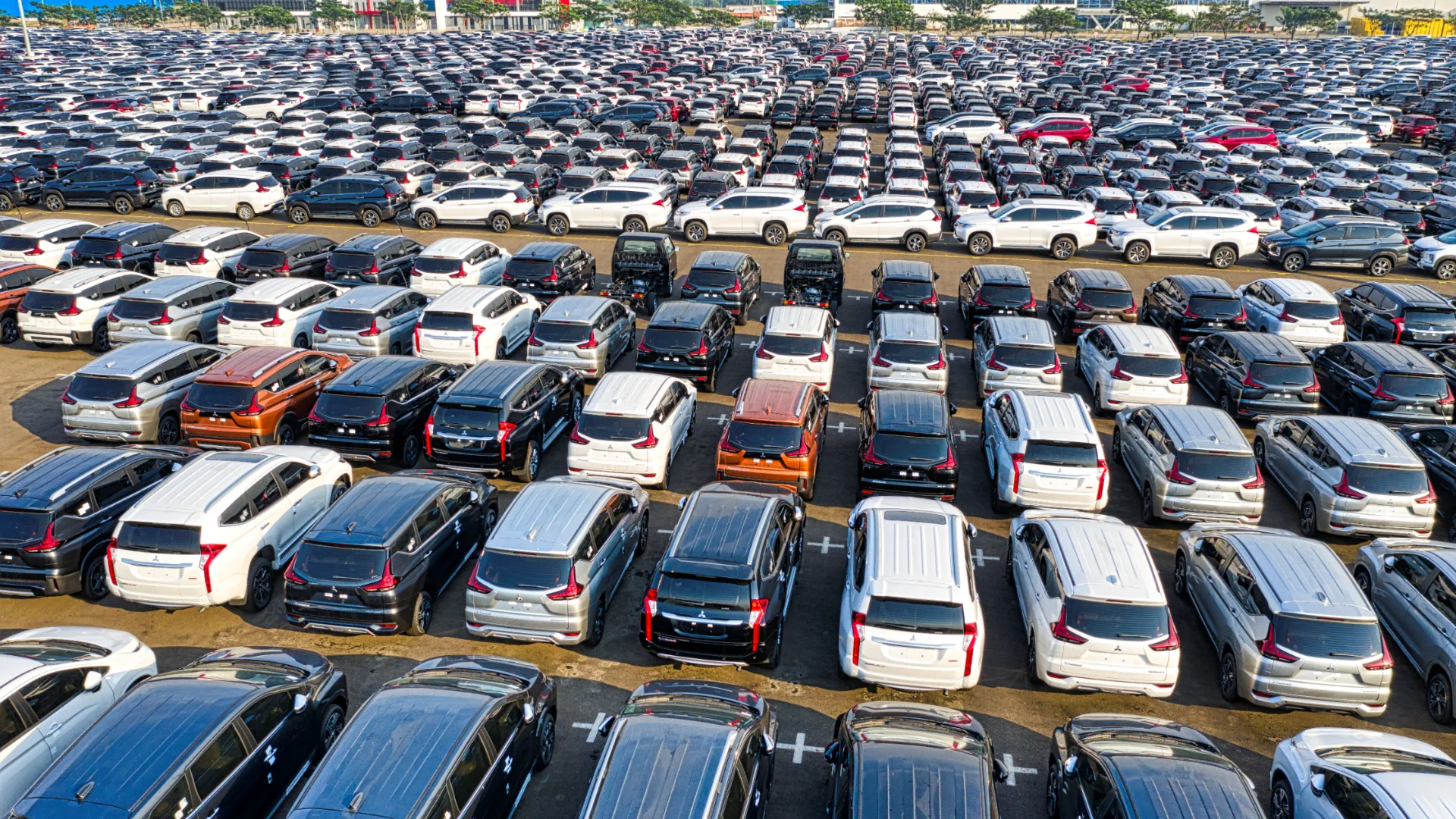
AI-driven tools can process hundreds of images simultaneously, drastically reducing the time and effort required to prepare listings for multiple platforms. This means your inventory gets to market faster and fresher, giving you a competitive edge. For dealerships managing dozens or hundreds of vehicles, this efficiency is invaluable. Instead of spending days retouching photos or coordinating complex photo shoots, teams can focus on customer-facing tasks while AI handles the repetitive work. Faster listing times also help you stay competitive in fast-moving used-car markets, where vehicles with better visuals often get inquiries earlier than others. Dealers that integrate AI-enhanced workflows routinely mention how much smoother their marketing operations become once editing bottlenecks disappear.
Cost-Effectiveness
By automating the editing process, dealerships can save on the costs associated with professional photographers and specialized equipment. AI photo editing solutions provide a high return on investment by cutting down operational costs while improving the quality of your listings. Instead of investing in expensive lighting kits or renting studio spaces, AI allows you to replicate those conditions digitally. This shift not only reduces costs but also increases flexibility. Even photos captured with smartphones can be transformed into professional-looking images through AI-enhanced lighting and reflection control. For many dealerships, this has been a breakthrough an opportunity to elevate visual quality without increasing overhead.

Enhanced Features
Modern AI photo editors offer features like background removal, shadow adjustment, and even virtual staging, where you can place the car in attractive settings without physically moving it. These features allow for a level of creativity and customization previously reserved for high-budget productions. Virtual studio lighting, for example, can shift the mood of an image entirely, giving the car an elegant, high-end look even if it was photographed in a simple parking lot. Reflection-correction models can clean up uncontrolled environmental reflections like trees or buildings creating a smoother, more premium finish that aligns closely with techniques examined in professional reflection-management guides. These enhancements don’t distort reality; they simply present the car the way buyers expect to see it.
Best Practices for Using AI Photo Editing in Car Listings
To make the most out of AI photo editing, it’s crucial to adopt best practices that align with your marketing strategy. Consider creating standardized procedures for angles, lighting preferences, and color tones. Many dealerships establish a visual playbook once they adopt AI tools, helping every photo feel like part of a cohesive visual brand. This consistency becomes even more impactful as your digital presence grows across multiple platforms.
Choose the Right Tool
Not all AI photo editing tools are created equal. Select a platform that specializes in automotive images and offers features tailored to car photography. This specificity can make a significant difference in the final product. Automotive-focused AI understands surface reflections, body lines, and lighting patterns better than general-purpose editing tools. This becomes especially important as you scale your listings and aim for consistent visual quality.
Consistent Style Across Listings
Define a style guide for your images to ensure consistency. This might include specific angles, lighting conditions, and backgrounds that best showcase your vehicles. Consistency helps in building a recognizable brand image and contributes to a professional online presence. When your inventory feels unified, buyers perceive your dealership as more organized and trustworthy. It’s the same dynamic that major automotive brands rely on for global campaigns now available through AI for everyday dealerships.
Regular Updates and Training
As AI technologies evolve, so should your usage of these tools. Keep your team updated with the latest features and best practices in AI photo editing to continually enhance your listing quality. Even small improvements such as new lighting presets or more advanced reflection tools can make a noticeable difference in the overall look and feel of your images. Continuous learning ensures your listings stay modern and visually competitive.
Conclusion
Embracing AI photo editing is not just about keeping up with technology; it's about taking proactive steps to enhance your automotive marketing strategy. By improving the quality and appeal of your car listings, you not only boost engagement and sales but also build a stronger, more reliable brand in the competitive digital marketplace. AI gives you the ability to present your vehicles with the kind of precision, lighting, and polish that buyers expect today. Start exploring AI photo editing options and discover how much more powerful your listings can become when every photo works to your advantage.
FAQs on AI Photo Editing for Automotive Listings
What is AI photo editing?
AI photo editing uses artificial intelligence to enhance and transform photos. In automotive sales, it helps in creating visually appealing and uniform car listings by applying lighting corrections, removing distractions, and refining surface reflections automatically. What makes AI particularly powerful is its ability to understand the structure of a vehicle its curves, paint surfaces, and reflective patterns which allows the system to correct issues that would take a human editor much longer to fix. Instead of manually adjusting highlights or recreating balanced lighting, the AI analyzes each image and applies smart adjustments that replicate studio-grade photography. This means even photos taken in imperfect environments, such as outdoor parking lots or tight showroom spaces, can be elevated into clean, consistent, professional-looking visuals that feel intentional and high-quality.
How does AI photo editing improve sales?
Enhanced photos attract more viewers, offer a better first impression, and can increase the perceived value of the vehicle, thus improving sales. When buyers see polished images, they feel more confident about the listing before reading any further details. A well-presented photo suggests that the dealership cares about quality and transparency, which strongly influences buyer psychology. Clean lighting and refined reflections create the feeling of a newer, better-maintained vehicle, regardless of its actual age. This emotional response leads to higher click-through rates, more inquiries, and ultimately faster conversions. Many dealerships notice that once they switch to AI-enhanced visuals, cars spend less time listed online simply because buyers are more willing to engage with a vehicle that looks professionally presented.
Can AI replace professional photographers?
While AI is incredibly efficient at scaling photo editing tasks, it complements rather than replaces the creative input from professional photographers, especially for high-end or custom shoots. AI handles the repetitive technical tasks, while humans maintain creative direction. A photographer’s eye still determines the angle, storytelling, and emotional tone of a shot elements that matter greatly when shooting luxury models, new inventory, or campaign visuals. AI comes in afterward to elevate the technical quality, ensuring consistency across every image. In many ways, AI acts like an assistant that takes over the time-consuming editing work, allowing photographers or marketing teams to focus on strategy, branding, and creative expression. So instead of replacing professionals, AI often makes their work more impactful.
Is AI photo editing cost-effective?
Yes, it reduces the need for extensive photo shoots and manual editing, thus cutting costs significantly while maintaining high-quality outcomes. Many dealerships report lower expenses and higher visual quality within weeks of adopting AI workflows. Traditionally, achieving studio-quality images required expensive lighting equipment, controlled environments, and either an in-house retoucher or outsourced editing services. AI replaces much of that infrastructure with automated processing that produces consistent results at a fraction of the cost. Beyond saving money, it also saves time photos can be edited in bulk, and listings can be published much faster. For dealerships managing large inventories or frequent turnover, this speed translates directly into operational efficiency and increased profitability.
How do I get started with AI photo editing?
Begin by selecting a reputable AI photo editing tool designed for car listings and familiarize yourself with its features and capabilities. Start small, refine your style, and gradually build consistency across your entire inventory. Most dealerships begin by uploading a handful of vehicles to test how AI handles lighting, reflections, and background uniformity. Once you identify the visual style that matches your brand whether it’s clean studio white, soft gray, or a more realistic outdoor scene you can turn that into your standard. Over time, AI becomes part of your workflow: photographers learn which angles capture the best results, marketing teams develop a unified visual identity, and your entire inventory starts looking more polished and cohesive. The learning curve is gentle, and the payoff is immediate.