


The Digital Showroom Revolution: Why AI is the Engine of Automotive Sales in 2025
Let’s be honest for a second: when was the last time you bought anything significant without looking at a picture of it first?
Now, raise the stakes. You aren’t buying a pair of sneakers or a toaster; you are buying a car. It’s the second biggest purchase most people make in their lives. In the past, the "first impression" happened when a customer physically walked onto your lot, smelled the coffee in the waiting room, and shook your hand.
Today, that handshake is dead. Or rather, it has been digitized.
The first impression now happens on a 6-inch smartphone screen, likely while your potential customer is sitting on their couch, scrolling through hundreds of listings. In that split second, your vehicle is fighting for attention against thousands of others. If the lighting is bad, the background is cluttered with trash cans, or the angle is weird, the customer keeps scrolling. You haven’t just lost a click; you’ve lost a sale.
We are living through a massive shift in automotive retail. While everyone is talking about the rise of electric vehicles and changing fuel standards, the real revolution is happening quietly in the back office: it’s the revolution of AI-powered visual marketing.
This isn’t just about making cars look "pretty." It is about a fundamental change in how we inventory, process, and sell vehicles in a crowded digital marketplace.
The Psychology of the Scroll: Why Images Are Everything
To understand why AI is winning, we have to understand the human brain. We process visual information 60,000 times faster than text. Before a customer reads the year, make, model, or price of a car, they have already made a subconscious judgment based on the photo.
In the fast-paced world of automotive sales, this visual first impression is currency.
Traditionally, capturing that perfect shot was a logistical nightmare. You needed a dedicated photographer, a sunny day (but not too sunny), a clean staging area, and hours of post-production editing. If it rained? No photos that day. If the detailer parked the car next to a dumpster? The photo looks amateur.
This is where the new wave of technology comes in. As we look at the broader ecosystem of 2025 dealership trends and AI visual marketing systems, it becomes clear that relying on manual photography workflows is no longer sustainable. The dealerships that are winning are the ones treating their digital inventory with the same rigor as their physical inventory.
The Toolset: How AI is Changing the Game
So, what does this actually look like in practice? It’s not about robots taking over the dealership; it’s about software giving your merchandising team superpowers.
1. The End of "Background Noise"
We’ve all seen those listings. A beautiful luxury sedan photographed with a chain-link fence, a random passerby, or another dealership’s sign in the background. It looks messy. It screams "commodity."
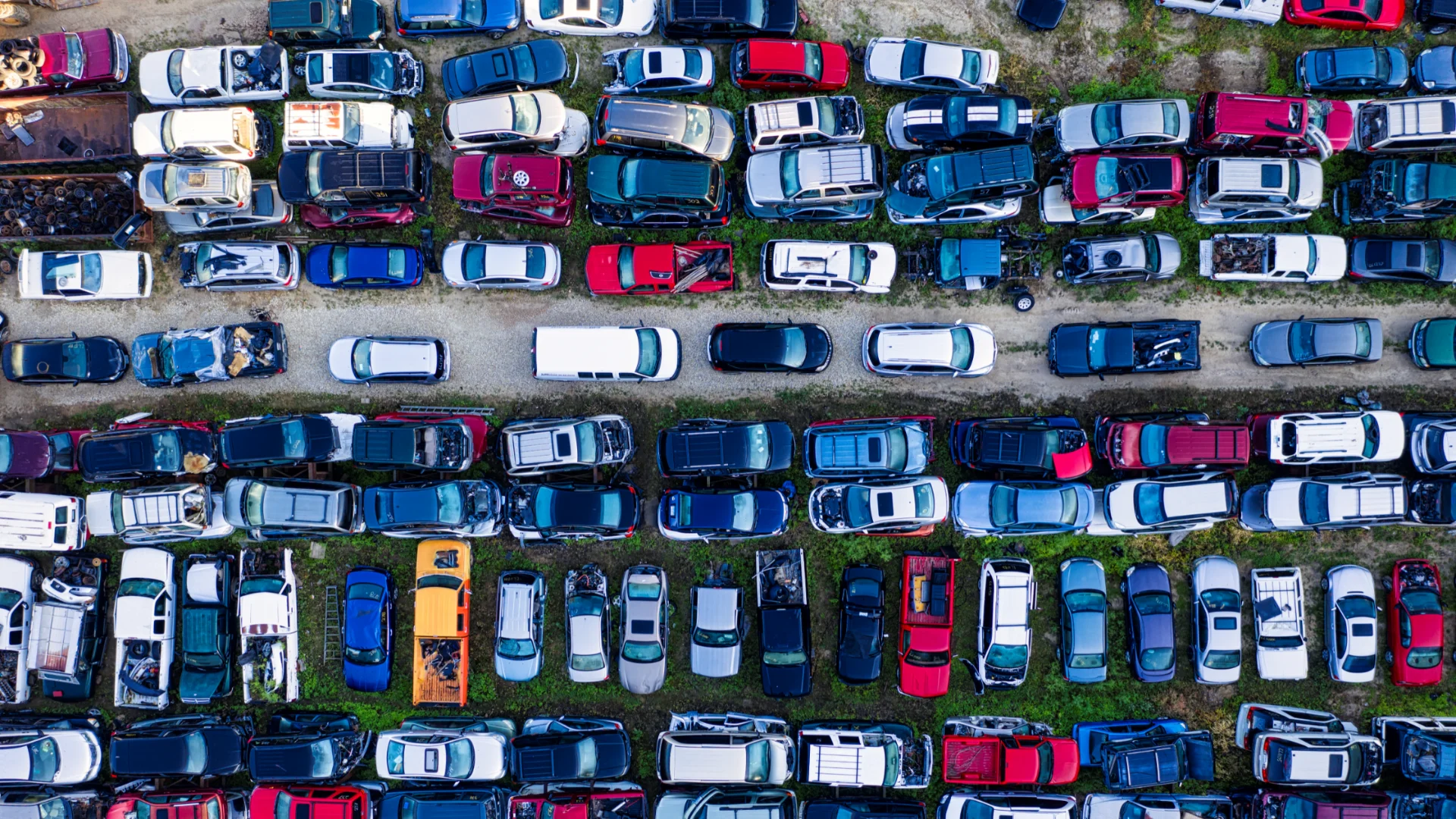
AI-enhanced background removal has evolved from a "nice-to-have" to a "must-have." We aren't just talking about cutting the car out and pasting it on white. Modern AI analyzes the lighting, the shadows, and the reflections on the metal. It detects the car's edges with surgical precision and replaces the cluttered reality with a clean, branded environment.
Whether you want your cars to look like they are sitting in a high-end studio or a sleek outdoor plaza, AI ensures consistency. And consistency builds trust. When a customer looks at your Vehicle Search Results (VSR) page and sees 50 cars that look uniform, professional, and clean, they subconsciously perceive your dealership as organized and reliable.
2. The Virtual Walkaround (360 Views)
Static images are great, but they hide things. Or at least, customers suspect they hide things. "Why didn't they show the left bumper?" "Is there a scratch on the door?"
Transparency is the new currency of trust. 360-degree car views offer a virtual tour that puts the control in the buyer's hand. They can spin the car, zoom in, and inspect it from every angle.
Historically, stitching these images together required a turntable and expensive software. Now, AI automates the stitching process. It smooths out the transitions, corrects the fisheye distortion, and creates a seamless interactive experience. It’s the closest thing to walking around the car without leaving your living room.
3. Intelligent Retouching
Here is where the "art" meets the "science." Sometimes a photo is almost perfect, but the lighting is flat, or the windows are too reflective. AI-driven tools can analyze the histogram of an image and automatically adjust exposure, contrast, and color balance. It can enhance the texture of the leather seats or make the metallic paint pop.
This isn't about being deceptive; it's about accuracy. It’s about ensuring the digital representation of the car matches the beauty of the physical reality.
The Strategic Edge: Speed, Scale, and Cost
Let’s step back from the pixels and look at the P&L sheet. Why are General Managers and Dealer Principals signing off on this tech?
Scalability is the biggest factor. Imagine you just took in 50 trade-ins off a fleet lease. In the old world, getting those cars online could take a week. You’re waiting on the photographer, waiting on the editor, waiting on the upload. Every day that car sits offline is a day it’s depreciating on your books (holding costs).
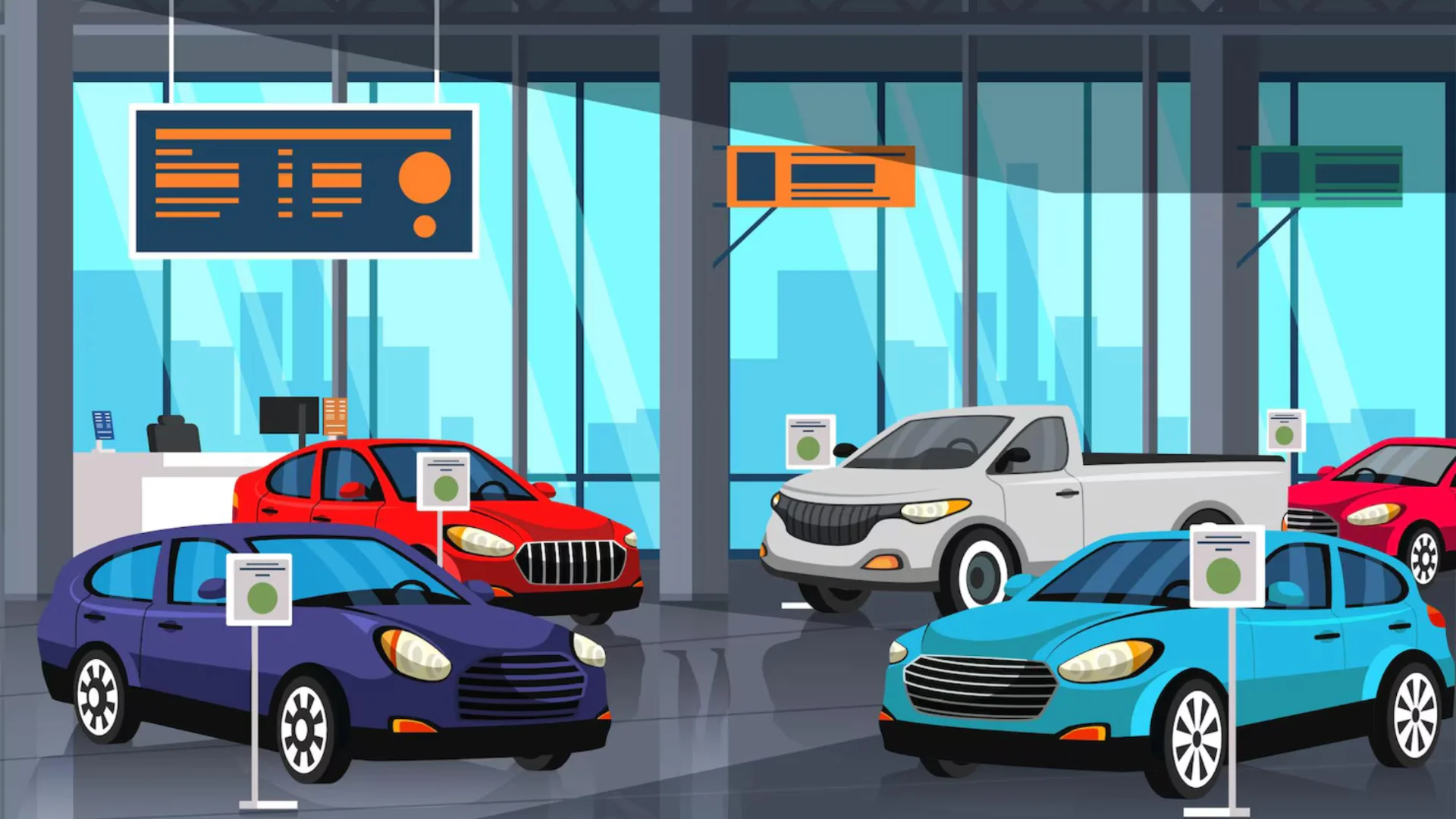
With AI editing tools, like those we develop at Car Studio AI, that timeline collapses. You snap the photos with a smartphone, the AI processes them in seconds removing backgrounds, adjusting light, masking plates and the car is online that afternoon.
Cost-Reduction is the second factor. Professional photography is expensive. Outsourcing editing to manual teams overseas is cheaper, but slow and inconsistent. By automating 90% of the imaging process, you drastically lower your cost-per-VIN. You free up your staff to focus on what they actually get paid to do: selling cars.
Looking Ahead: The Hidden Trends of 2025
If we look deeper into the data, we see that this is just the beginning. The integration of AI goes beyond just editing pixels; it’s about understanding buyer behavior.
There is a shift occurring towards predictive AI in automotive marketing, a hidden trend for 2025 that combines the visual appeal of a car with data on what customers are actually searching for. Imagine a system that not only edits the photo but tells you which photo should be the thumbnail based on click-through rate data.
We are moving toward a world where the image itself is smart. The metadata within your images will help with SEO, helping your cars rank higher on Google. The "duplicate H1 errors" and technical SEO issues that plague dealership websites can be mitigated when your visual assets are optimized by AI from the moment of creation.
Implementing Your Strategy
Adopting this technology isn't just about downloading an app. It requires a shift in mindset. You need a strategy.
Choose the Right Tools: Not all AI is created equal. You need software that integrates with your IMS (Inventory Management System) and DMS. You need a suite that handles background removal, plate masking, and 360 spins in one workflow.
Train Your Team: The AI is the engine, but your lot attendants are the drivers. They need to know how to frame the shot. Even the best AI can’t fix a thumb over the lens.
Monitor and Adapt: The market changes fast. What worked in 2024 might not work in 2026.
This is about building a resilience into your marketing. When we analyze winning automotive marketing dealer strategies for 2025, the common denominator is agility. The winners are the dealerships that can pivot their visual branding instantly, launch a new campaign in minutes, and maintain a premium look without a premium price tag.
Conclusion: The Human Element in an AI World
It might seem ironic to end a piece about Artificial Intelligence by talking about humanity, but that is exactly where the value lies.
AI-powered photo editing doesn't replace the human connection; it facilitates it. By automating the tedious, repetitive work of cropping, masking, and color-correcting, we give dealership staff their time back. We give them time to answer leads, time to nurture relationships, and time to provide great customer service.
Furthermore, by presenting a high-quality, transparent, and beautiful visual presentation of the vehicle, we respect the customer. We are telling them, "We value your time. We have nothing to hide. Here is exactly what we are offering."

In a market that is increasingly crowded, noisy, and digital, clarity is power. AI gives you that clarity.
Whether you are a single-point independent store or a massive dealer group, the question is no longer "Should we use AI?" The question is, "Why haven't we started yet?"
Ready to revolutionize your automotive listings? The tools are here, the technology is mature, and the customers are waiting. It’s time to make your inventory shine.
FAQ: Enhancing Your Car Listings with AI
Q: How does AI background removal actually work?
A: It is far more sophisticated than a simple "cut and paste" job. Advanced AI algorithms utilize computer vision technology to analyze an image at the pixel level. The system identifies the main subject (the vehicle) with over 99% accuracy, separating it from the background including tricky details like antennas, window transparency, and tire treads. Once isolated, the AI replaces the cluttered environment with a clean, studio-quality backdrop or a branded virtual wall. Crucially, modern AI also intelligently recalculates reflections on the windows and shadows on the ground to match the new environment, ensuring the final image looks natural and realistic, not like a sticker on a background.
Q: Can AI photo editing tools integrate with my existing dealership software?
A: Absolutely. Modern AI solutions are designed to become a seamless part of your workflow rather than a standalone hurdle. Most leading AI tools offer API connections that allow them to "talk" directly to your Dealer Management System (DMS) or Inventory Management System (IMS). This integration removes the manual grunt work staff no longer need to download photos, edit them, and re-upload them. Instead, photos are processed the moment they are taken and automatically pushed to your website and third-party marketplaces, streamlining your entire merchandising pipeline.
Q: What is the typical cost of implementing AI photo editing tools, and is it worth it?
A: While costs vary depending on your inventory volume and the specific features you need (such as basic background removal versus 360-degree spins or video generation), the focus should be on Return on Investment (ROI). When compared to the traditional expenses of hiring professional photographers, building physical photo booths, or paying for manual retouching, AI solutions can reduce your cost-per-VIN by 70-80%. Furthermore, by reducing your "Time-to-Market" from days to mere minutes, you increase your inventory turnover speed, which directly boosts profitability.
Q: How long does it take to implement an AI photo editing system in a dealership?
A: It is likely faster than you think. Since most AI photo editing tools are cloud-based (SaaS), there is no need for heavy hardware installation or construction. The entire process including technical integration, setting up your custom brand templates (logos, overlays), and training your lot attendants on how to use the capture app can typically be completed in 1 to 2 weeks. You can go from signing the contract to publishing live, AI-enhanced listings very quickly.
Q: Are there any specific requirements for photos taken for AI editing?
A: While high-resolution images are ideal because they allow the AI to preserve maximum detail, modern AI engines are surprisingly forgiving. They can often upscale and enhance lower-quality images effectively. The most important requirement is actually framing. As long as the entire vehicle is within the frame and not cut off, the AI can handle lighting corrections, color balancing, and background replacement. Training your team on basic framing consistency is usually the only prerequisite needed.