
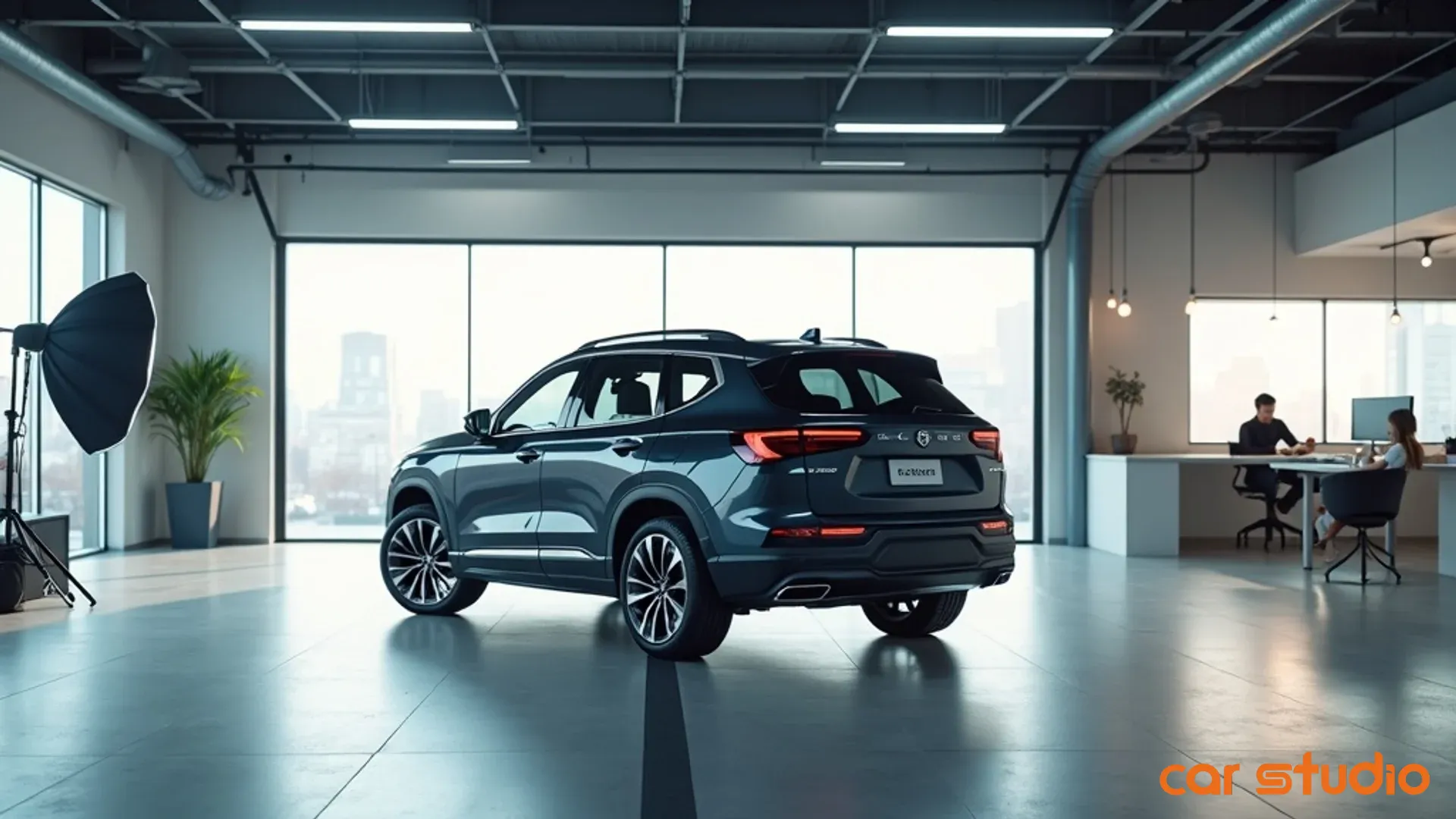

The Line Between Enhancing Car Photos and Misleading Buyers
There's a fear that stops a lot of sellers from using AI on their car photos, and it's a reasonable one: If I clean up these images, am I setting the buyer up for disappointment?
It's the right question to ask. Cross the line into misrepresentation and you don't just lose a deal — you lose trust, invite complaints, and hand the buyer a reason to walk the moment they see the real car. But stay on the honest side of that line, and enhancement does the opposite: it removes the doubt that makes buyers hesitate, and it makes the in-person visit confirm the listing instead of contradicting it.
So where exactly is the line? What counts as honest enhancement, and what tips into deception? This is the guide a clear framework any seller, dealer, marketplace, or OEM can use to edit car photos in a way that builds confidence rather than breaking it.
Why the Line Matters More Than Ever
Buyers arrive at your listing already skeptical. They've been burned before "excellent condition" cars with damage hiding in photo 40, "low mileage" units with a catch buried in the fine print. So they assume the worst about every listing, including yours, even when your car is clean and your description is honest.
That skepticism is the real obstacle. It shows up as hesitation, lowball offers, and buyers who show up expecting something different from what they saw. The seller who earns trust whose photos are clearly accurate cuts through all of it. The seller who over-edits confirms the buyer's worst fear and poisons the visit before it starts.
This is why the enhancement line isn't a philosophical nicety. It's the difference between photos that accelerate a sale and photos that sabotage it in person. Get it right and the car in the driveway matches the car on the screen and matching expectations is what closes deals.
The Simple Test That Defines the Line
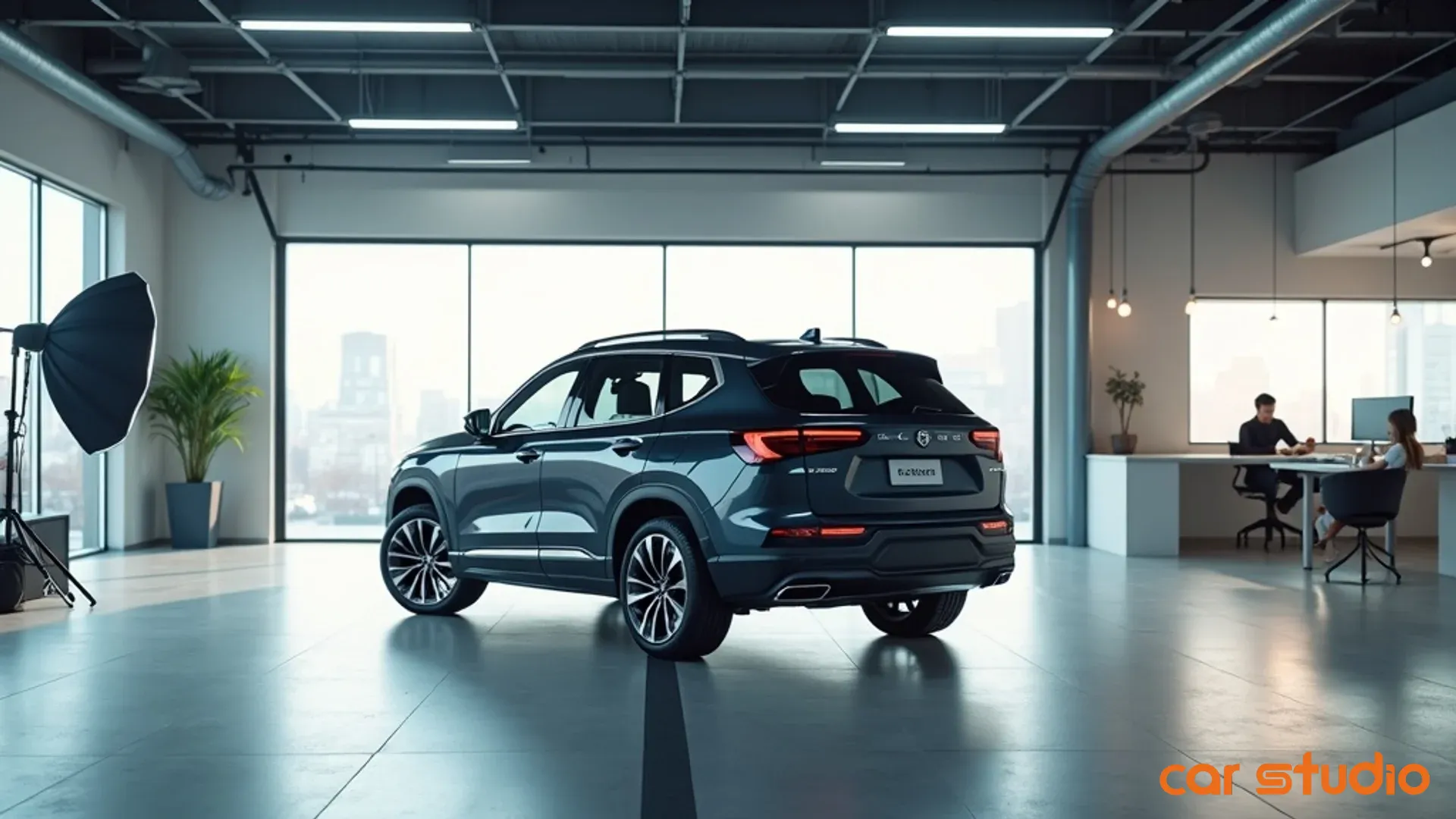
Here's the test, and it fits in one sentence: When the buyer sees the enhanced photo and then sees the actual car, will they feel deceived?
If the answer is no if the real car meets or exceeds what the photo promised you're on the right side. If the answer is yes if the photo hid something they'd have cared about you've crossed it. Everything below is just applying that single test to the specific things AI can do.
Use AI to reveal what's actually there, not to invent what isn't. Enhanced photos should make a buyer more confident about condition, and when they walk up to the car they should think "yes, this is exactly what I expected" never "this looks different from the pictures."
What Counts as Honest Enhancement
These are the corrections that make a photo more accurate, not less. They fix the camera's failures, not the car's flaws.
Correcting lighting so condition is visible. A phone camera in a dim garage or harsh midday sun distorts what the car actually looks like washing out paint, burying the interior in shadow. Balancing the exposure so a buyer can clearly see the true condition isn't deception; it's removing the camera's distortion so reality comes through.
Fixing color temperature. Fluorescent lights turn a car yellow; shade turns it blue. Correcting white balance so tan leather looks tan and silver paint looks silver shows the buyer the real color, not the lighting's version of it.
Sharpening detail that's present but blurry. If a feature is there in the shot but soft because of a shaky hand or a weak camera, sharpening it lets the buyer see what's genuinely in front of them. You're recovering real detail, not adding fictional detail.
Removing distracting backgrounds. Replacing a cluttered lot or a messy driveway with a clean, neutral backdrop changes nothing about the vehicle. The car, its condition, and its features are untouched you've only removed visual noise that had nothing to do with the car in the first place. This is exactly what a professional photographer does by controlling the setting.
The common thread: none of these change the vehicle. They change how clearly the vehicle is seen.
What Crosses the Line
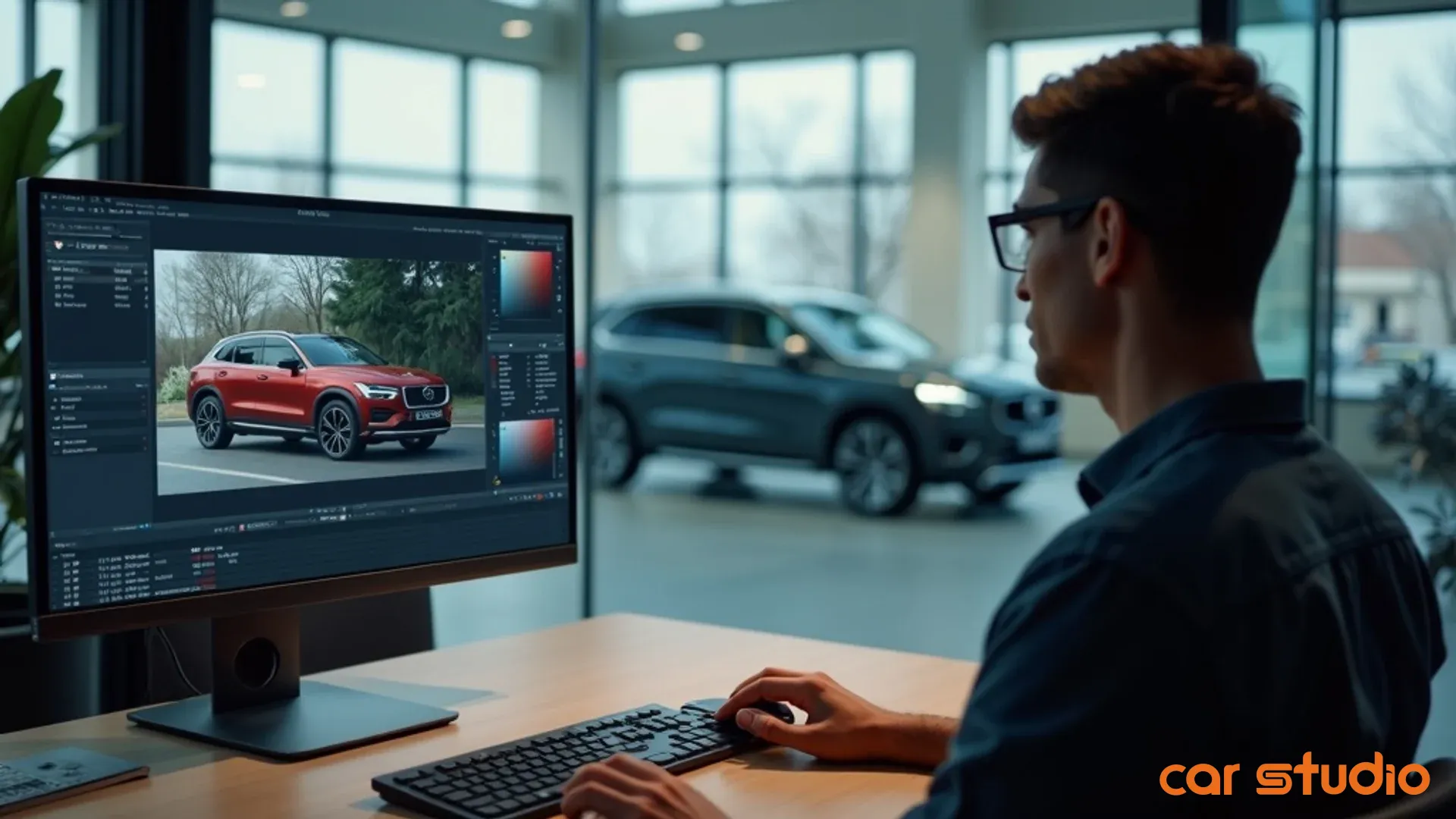
These are the edits that change the buyer's understanding of the car itself. They're where trust dies.
Removing or hiding damage. Editing out a dent, a scratch, curb rash, or a cracked bumper is the clearest violation. The buyer will see it in person, and now every other claim you made is suspect. Show honest flaws openly it builds far more trust than hiding them, and it filters out buyers who'd have walked anyway.
Changing the vehicle's color or finish. Making a faded paint job look fresh, or shifting the color to something more appealing, misrepresents what the buyer is getting. The car that arrives won't match the car they fell for.
Adding features that don't exist. Enhancing a photo until cloth looks like leather, or a screen appears larger than it is, sets up a disappointment that kills the deal on sight.
Erasing wear and age. Making a well-used interior look showroom-fresh, or smoothing away the honest signs of a car's history, tells the buyer a story the car can't back up in person.
The common thread here is the mirror image of the honest list: each of these changes the car itself, not just how it's seen. That's the line.
Why Honesty Actually Sells Faster
It's tempting to think a little embellishment helps. It doesn't — it works against you, and here's the mechanism.

When photos are honest and clear, the in-person visit confirms the listing. The buyer arrives already sold, expectations intact, ready to talk. There's no unpleasant surprise to reset the negotiation, no "well, the photos looked better" to hand them leverage. Accuracy is what lets a buyer commit before they ever show up.
Over-edited photos do the reverse. They might earn the click, but they load the visit with risk. The buyer walks up looking for the gap between the photo and the reality — and the moment they find it, trust collapses and so does the deal. You didn't gain a buyer; you wasted a visit and earned a bad impression.
Clean, accurate, complete photos also pre-qualify buyers. When people can see exactly what they're getting, the ones it doesn't suit filter themselves out early, and the ones who reach out are serious. You spend less time on mismatches and more on people ready to move.
Honesty isn't the constraint on good photos. It's what makes good photos work.
Setting Your Own Enhancement Standard
Whether you sell one car or thousands, it helps to write down where your line is — so everyone who touches a listing applies it the same way.
Keep it simple and specific. On the allowed side: correct lighting and exposure, fix color temperature to true-to-life, sharpen genuine detail, and replace distracting backgrounds with clean, consistent ones. On the prohibited side: never hide damage, never alter color or finish, never imply features that aren't there, never erase real wear.
Then apply the one-sentence test to anything that falls in a gray area: would the buyer feel deceived standing in front of the car? If yes, don't do it. If your listings are handled by a team, put this on a one-page guide with example photos — the right way and the over-edited way, side by side — so the standard is obvious under time pressure.
A tool built specifically for vehicles helps here, because the honest work is exactly what it's designed for. Car Studio AI detects the car and places it on a clean studio background while leaving the vehicle itself untouched — it refines the presentation, not the product. That's the honest side of the line by design: the car a buyer sees is the car they'll get.
Confidence Is Built on Accuracy
The sellers who win online aren't the ones with the most flattering photos. They're the ones whose photos are clearly true — clean enough to build confidence, accurate enough that the real car keeps every promise the listing made.
AI enhancement, used honestly, is one of the fastest ways to earn that confidence. Fix the lighting the camera got wrong. Show true color. Clear away the clutter. Let the buyer see exactly what's there — no more, no less. Do that, and the visit confirms the listing, the buyer's expectations hold, and the deal moves.
Stay on the honest side of the line, and better photos become what they should be: not a way to hide the car, but a way to finally show it clearly.
Refine your listings the honest way — try Car Studio AI free. No credit card, no subscription.
For dealerships · marketplaces · OEMs · individual sellers