
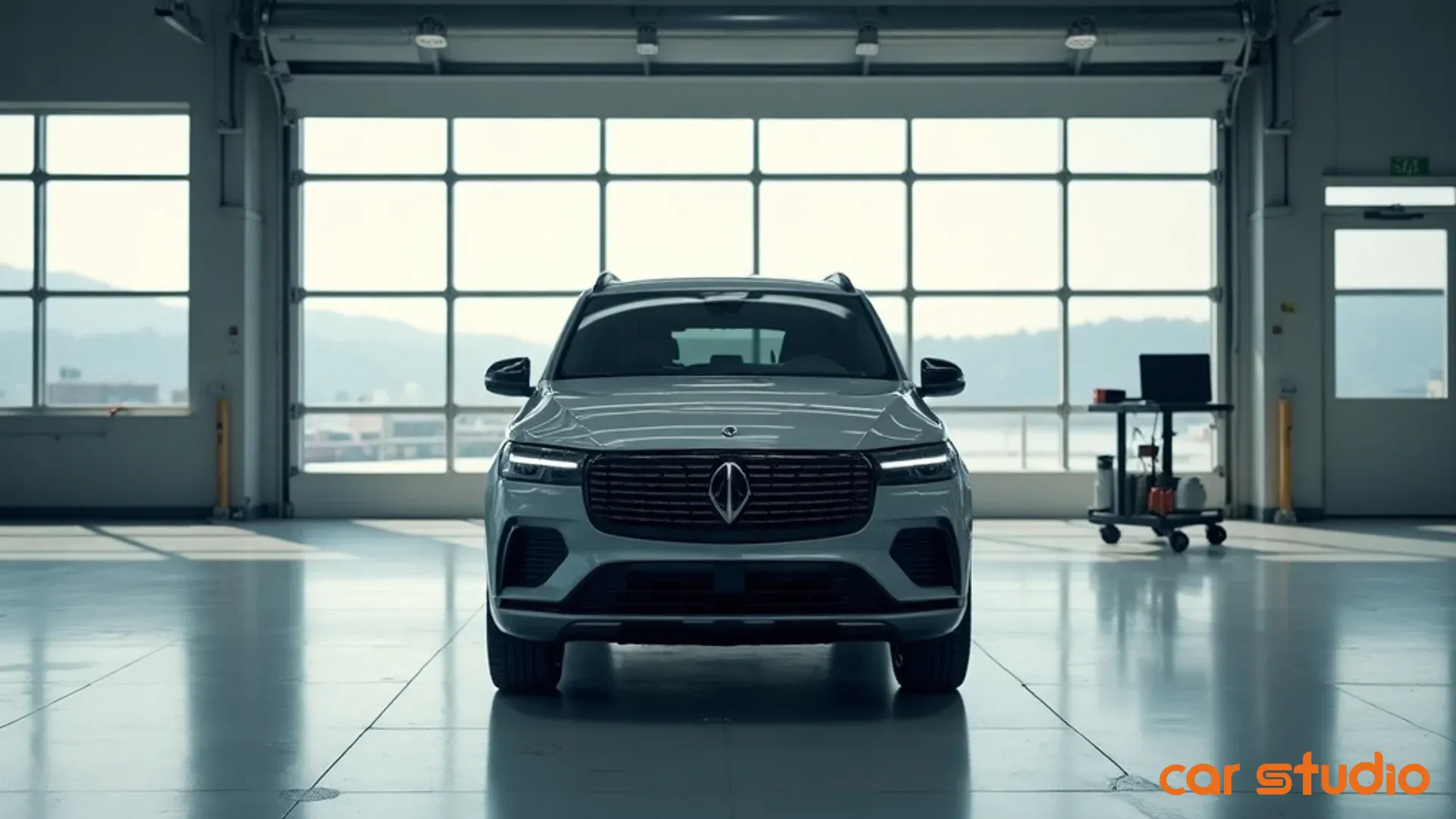

How OEMs Keep Listing Photos On-Brand Across Every Dealer
Here's a problem unique to brands that sell through a network: you can control your national advertising down to the pixel, and then a shopper clicks through to a local dealer's inventory and sees a car photographed against a chain-link fence, half in shadow, with a competitor's vehicle in the frame. The national brand looks premium. The local listing looks like a classified ad. And to the shopper, both are you.
For an OEM or brand team, visual consistency across a dealer network is one of the hardest things to enforce, because you don't hold the camera. Hundreds of independent dealers, each with their own staff, their own lots, their own idea of "good enough," are all publishing listings under your name. Every off-spec photo chips away at the brand equity you spend so much to build.
This is a solvable problem, but not with a longer brand guidelines PDF that nobody reads. It takes a different approach to how listing photos get made.
Why the Network Breaks Visual Consistency
The gap between brand intent and dealer reality isn't about anyone cutting corners on purpose. It's structural.
Every dealer shoots differently. Different lots, different lighting, different devices, different people, different levels of care. Even with the best intentions, a hundred dealers shooting independently produce a hundred different looks. There is no natural force pulling them toward a shared standard.
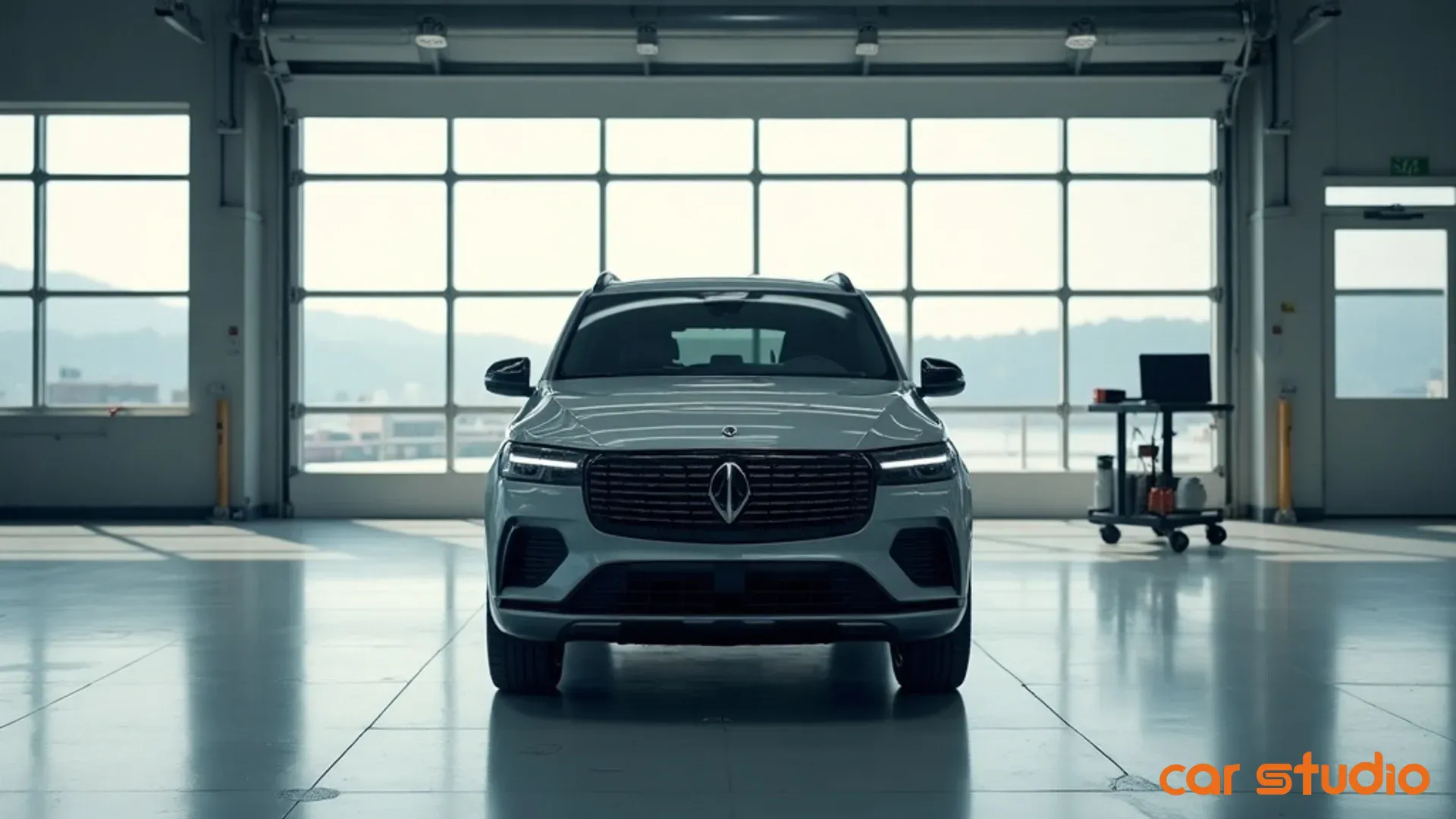
Guidelines don't enforce themselves. You can publish a brand manual specifying backgrounds, angles, and lighting, but a document can't make a busy dealer follow it. In practice, the guidelines get skimmed once and forgotten under the pressure of moving inventory.
The brand carries the cost, not the dealer. An individual dealer with weak photos loses a few of their own leads. But the diluted, inconsistent look accumulates across the whole network and lands on the brand. The party with the most to lose from inconsistency is the one furthest from the camera.
Policing it manually doesn't scale. A brand team can't review every listing from every dealer and send corrections. By the time you spot an off-brand listing, it's been live for weeks, and there are thousands more you'll never see.
The result is a visual identity that's tightly controlled at the top and falls apart at the point of sale, exactly where the shopper actually forms their impression.
What "On-Brand" Actually Requires
Before fixing it, it helps to be precise about what visual consistency across a network really means. It comes down to three things being the same on every listing, at every dealer.
The same background. A clean, consistent backdrop, ideally reflecting the brand's look, behind every vehicle. This alone does most of the work of making a network's inventory feel unified.
The same lighting and clarity. Even, professional lighting that shows each vehicle's true color and condition, so a silver car looks the same whether it's shot in Phoenix or Oslo.
The same framing. A consistent set of angles, shot the same way, so every listing presents vehicles in a recognizable, repeatable format.
Notice that none of these depend on the dealer being a skilled photographer. They depend on the output being standardized, regardless of who produced the input. That distinction is the whole key to solving this at network scale.
The Shift: Standardize the Output, Not the Photographer
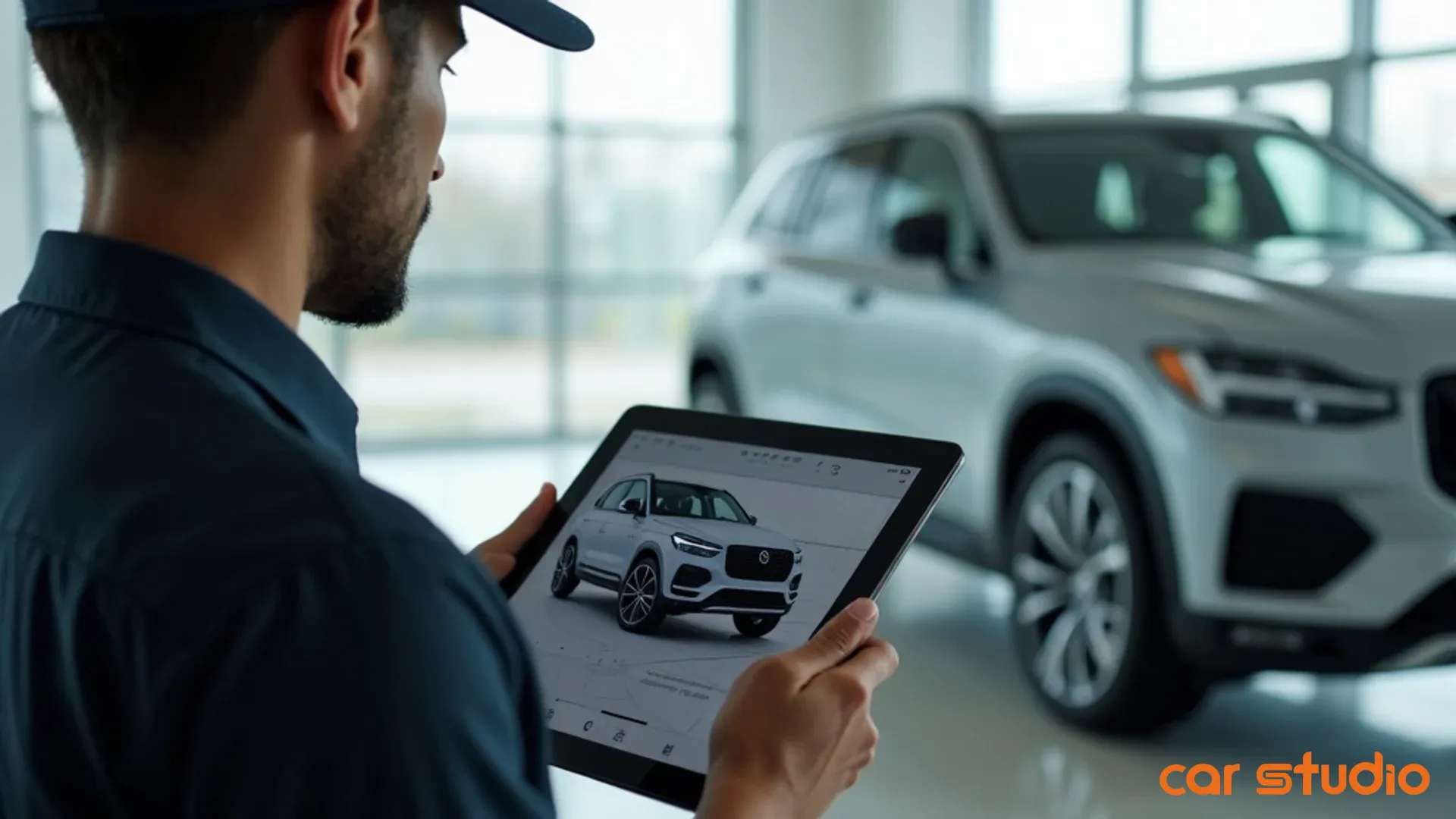
The reason brand guidelines fail is that they try to standardize the input, the way hundreds of different people shoot. That's nearly impossible to enforce. The approach that works is to standardize the output instead, and let the input vary.
Here's what that means in practice. A dealer shoots a vehicle however they can, on their lot, with a phone, in whatever light they have. Then every one of those raw photos passes through the same automated finishing step before it goes live: the background is replaced with the brand-standard backdrop, the lighting is corrected to a consistent standard, and the framing is normalized. The dealer's skill level stops mattering, because the finishing is identical for everyone.
An AI car photo editor is what makes this possible at scale. It applies the same treatment to every image from every dealer automatically, so a listing from your smallest rural dealer comes out looking like a listing from your flagship metro store. The brand sets the standard once, in the tool, and it's enforced on every photo without anyone policing individual listings.
A tool built specifically for vehicles matters here, because the output has to look genuinely professional, not obviously edited. Car Studio AI detects each vehicle cleanly around the difficult edges, grounds it with a realistic shadow, matches the lighting to the backdrop, and leaves the vehicle itself untouched. The car a shopper sees is the real car, presented to a consistent brand standard. Set the background and standard once, and every dealer's inventory inherits it.
Why This Protects Brand Equity
When the output is standardized across the network, several things follow that a brand team cares about deeply.
The brand looks the same everywhere. A shopper comparing listings across different dealers in your network sees one coherent visual identity instead of a patchwork. That consistency reinforces the premium, organized image your national marketing works to build, all the way down to the local listing.
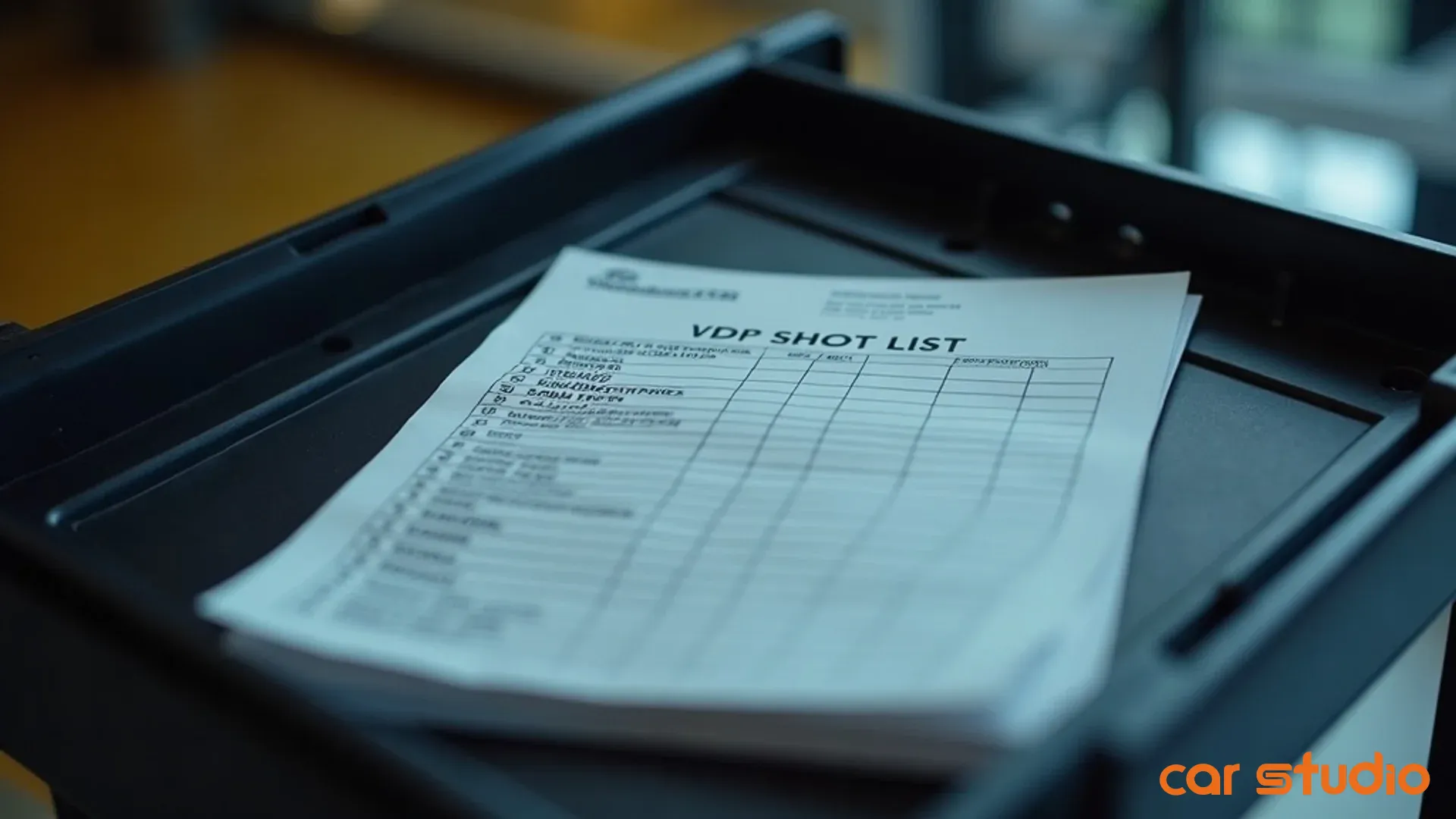
Trust transfers from brand to dealer. When every dealer's inventory meets the same visual bar, the credibility of the brand extends to each local listing. The shopper doesn't drop from "trusted national brand" to "questionable local lot" the moment they click through.
Standards get enforced without friction. Instead of chasing dealers to comply with guidelines, compliance is automatic because it happens in the finishing step. Dealers get better-looking listings with no extra effort, so they actually adopt it, and the brand gets consistency without a policing burden.
It scales with the network. Whether you have fifty dealers or five thousand, the standard applies identically. Adding dealers doesn't dilute the look, because every new dealer's photos run through the same finishing.
Making It Work Across the Network
Rolling this out across a dealer network comes down to a few practical moves.
Define the visual standard once: the brand-approved background, the lighting look, and the required angles. This becomes the single specification every listing inherits, rather than a document each dealer interprets differently.
Make the finishing step the path of least resistance for dealers. Adoption is highest when the standardized tool is also the easiest and fastest way for a dealer to get their listings live. When on-brand output is also the quickest route to a finished listing, dealers choose it willingly instead of resisting a mandate.
Keep the vehicle honest. The standard should govern only the presentation, the background, lighting, and framing, never the vehicle itself. Protecting brand trust means every enhanced listing still shows the real car in its real condition. Consistency and honesty reinforce each other; a polished network that misleads buyers damages the brand far more than an inconsistent one.
Let the consistency compound. Once every dealer's inventory shares the same professional look, the brand benefits everywhere shoppers encounter it: on dealer sites, on marketplaces, in search results, and in any national program that aggregates dealer inventory.
One Brand, One Standard, Every Listing
The hardest part of network visual consistency was always enforcement. You can't stand behind every dealer's camera, and guidelines alone never held the line. The way through is to stop trying to standardize how hundreds of dealers shoot, and instead standardize what happens to every photo after it's shot.
Set the standard once, apply it automatically to every image from every dealer, and the network stops being your weakest visual link. The brand a shopper sees nationally becomes the brand they see on the local listing too, which is exactly where the sale is won.
See consistent, on-brand results on your own inventory, try Car Studio AI free. No credit card, no subscription.
For dealerships, marketplaces, OEMs, and individual sellers