

Selling Your Car Online? Your Photos Decide the Price You Get
You've set a fair price. You've written an honest description. You've listed the car on every site you can think of. And it's still sitting there — a few lowball offers, a couple of "is this still available?" messages, and nothing serious.
Here's the uncomfortable truth: when you sell a car online, buyers don't judge the car first. They judge the photos. Before they read your price, your mileage, or your careful description, they've already decided — in about a second — whether your listing is worth a closer look or a scroll-past.
And most private listings lose that second. A dark photo taken in a driveway, the car half in shadow, a cluttered garage in the background, a neighbor's bin in frame. The car might be immaculate. The photo makes it look like a gamble.
Good news: you don't need a professional shoot or a studio to fix this. You need to understand what buyers actually respond to, and how to make your one car look like the best listing on the page — even if all you have is a phone.
Why Buyers Trust Photos More Than Words
When someone can't stand next to your car, kick the tires, or hear the engine, the photo is all they have. So they read it hard. Clean, bright, complete photos say this owner took care of the car and has nothing to hide. Dark, messy, incomplete photos say the opposite — even when the car is genuinely great.
This is why two identical cars, at the same price, can get wildly different responses. The one with sharp, consistent photos gets more messages, more serious buyers, and less haggling. The one with rushed snapshots gets ignored or lowballed, because a weak photo hands the buyer a reason to assume the worst and negotiate down.
You're not just showing the car. You're setting the buyer's expectation of what kind of seller you are — and that expectation shapes the price they're willing to offer before they ever message you.
The 7 Photos Every Listing Needs
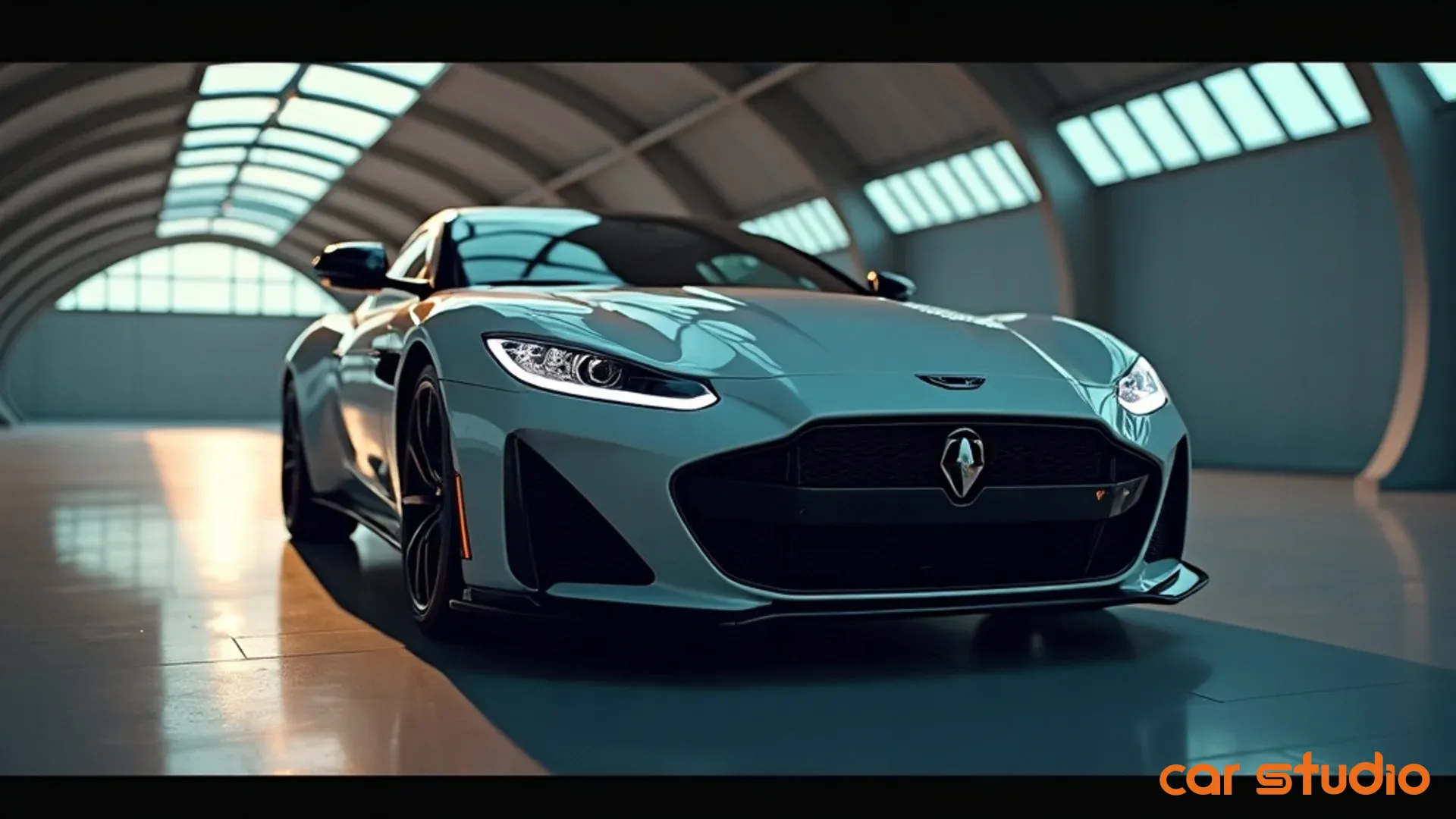
Buyers want to feel like they've walked around the car. Missing angles create doubt, and doubt kills the sale. At a minimum, capture these seven:
- Front three-quarter — the hero shot. This is the one that stops the scroll, so make it your best. Shoot the front and one side together at roughly a 45-degree angle.
- Rear three-quarter — the opposite corner, so buyers can see the back and the other side.
- Both side profiles — straight-on shots of each side to show the full length and any character lines.
- The dashboard and front seats — bright and clear, so buyers can picture themselves inside.
- The rear seats and cargo area — especially important for families and anyone hauling gear.
- The odometer — a simple trust signal that confirms the mileage you listed.
- Any standout feature or honest flaw — a premium sound system, new tires, or a scratch you'd rather disclose than hide. Showing a flaw openly builds more trust than hiding it.
Quick win: More angles almost always beat fewer. A buyer who can see everything has no reason to hesitate.
How to Shoot a Car That Sells (With Just a Phone)
You don't need expensive gear. You need a little light and a little care.
- Pick the right time of day. The hour after sunrise or before sunset gives soft, even light that flatters paint and avoids harsh shadows. Midday sun creates glare and hard shadows that hide detail. Overcast days are surprisingly ideal — the clouds act like a giant softbox.
- Clean the car first. This sounds obvious, but a quick wash and a wipe-down of the interior does more for your photos than any editing trick. Water spots, dust, and clutter all read as neglect.
- Find a clean, open spot. An empty parking lot, a quiet street, or an open space with nothing distracting behind the car. Keep other vehicles, bins, and people out of the frame. The car should be the only thing worth looking at.
- Shoot at the car's waistline. Crouch slightly so the camera is around door-handle height. Shooting from too high makes the car look small and toy-like; too low distorts it. Waist height shows it the way it really looks.
- Hold steady and fill the frame. Keep the whole car in the shot with a little space around it, tap to focus, and hold still so nothing comes out blurry. Blurry photos make buyers assume you're hiding something.
When Your Location Isn't Cooperating
Here's the reality: most people don't have a clean, photogenic spot to shoot in. You've got a cramped driveway, a busy street, or a garage that's doubling as storage. And you can't always wait for perfect golden-hour light.
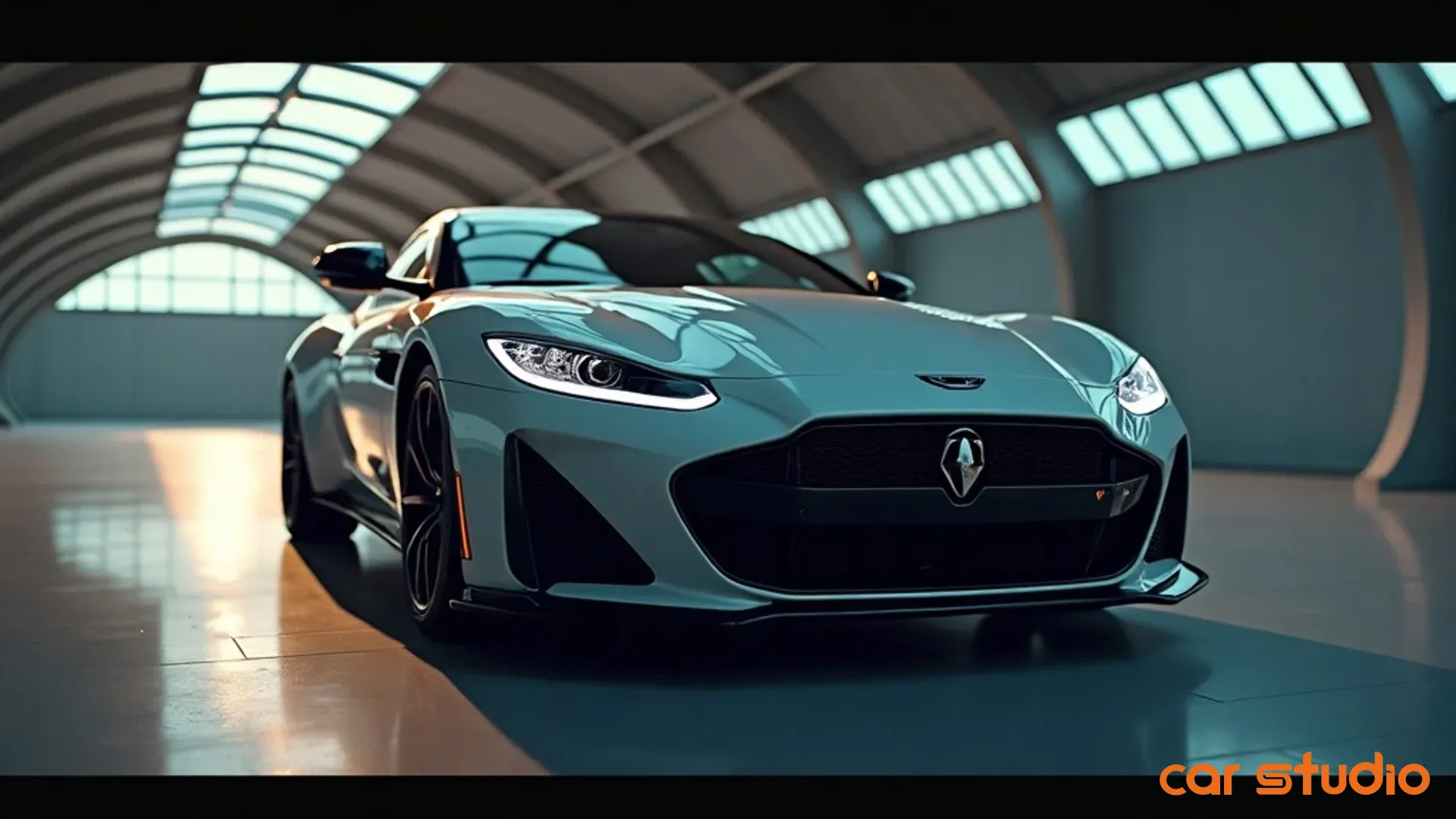
This is exactly where an AI car photo editor earns its place. Instead of hunting for the perfect location, you shoot the car wherever you are and let the tool replace the messy background with a clean, professional studio setting. The cracked driveway, the recycling bins, the neighbor's fence — all gone. What's left is your car, looking like it's sitting in a showroom.
A tool like Car Studio AI is built specifically for vehicles, so it detects the car cleanly — around the wheels, mirrors, and edges — and drops it onto a neutral backdrop that makes any listing look like it belongs to a professional. It can also even out the lighting and sharpen the details that a phone camera missed, so a single decent snapshot becomes a listing-worthy image in seconds.
You're not faking anything. The car is exactly what it is. You're just removing the visual noise that was making a good car look worse than it is — the same thing a professional photographer does by controlling the setting.
Getting the Price You Deserve
Once your photos are clean, consistent, and complete, three things tend to happen. You get more messages, because your listing stops the scroll where others don't. You get more serious messages, because buyers can see exactly what they're getting and feel confident reaching out. And you hold your price better, because a professional-looking listing signals a car that's worth the asking — leaving far less room for the "your photos don't look great, so I'll offer less" negotiation.
That's the whole game. The car was always good. Now the listing finally says so.
If you're selling one car and want it to stand out on a crowded page, start with the photos. Shoot it clean, cover every angle, and clear away anything that distracts from the vehicle. And when your driveway won't cooperate, let the background come from a studio instead of your street.
Make your car look its best — try Car Studio AI free. No credit card, no subscription.
For dealerships · marketplaces · OEMs · individual sellers