

The Hidden Science of Car Listings That Convert
I want you to think back to the last time you bought a product online. Not a car just anything. Maybe a pair of sneakers, a new watch, or even a coffee maker. What was the defining moment that made you stop scrolling?
It wasn’t the spec sheet. It wasn’t the shipping cost. It was the image.
We are living in an era of hyper-visual consumption. The human brain processes images 60,000 times faster than text, and in the noisy, crowded bazaar of the internet, the visual is the only currency that matters. Now, apply this to the automotive industry. The days of a potential buyer wandering onto a physical lot on a rainy Saturday to "see what’s in stock" are fading into nostalgia. The "lot" is now a 6-inch screen in a customer's pocket, and your competition isn't just the dealership down the street it’s every other distraction on the internet.
In this deep dive, we aren't just going to talk about "taking better pictures." We are going to explore the hidden science of conversion, the operational revolution of AI, and why integrating this technology is the difference between a listing that sits and a listing that sells.
The Digital Lot and the "Micro-Moment"
Let’s be honest about the state of the market. The automotive industry is undergoing a seismic transformation. We often talk about "digital transformation" as a buzzword, but practically, it means that the first handshake with a customer is no longer physical; it’s digital.
When a customer lands on your VDP (Vehicle Detail Page), you have roughly 50 milliseconds to make an impression. That is not enough time to read a description about "low mileage" or "heated seats." It is only enough time for the brain to register an image.
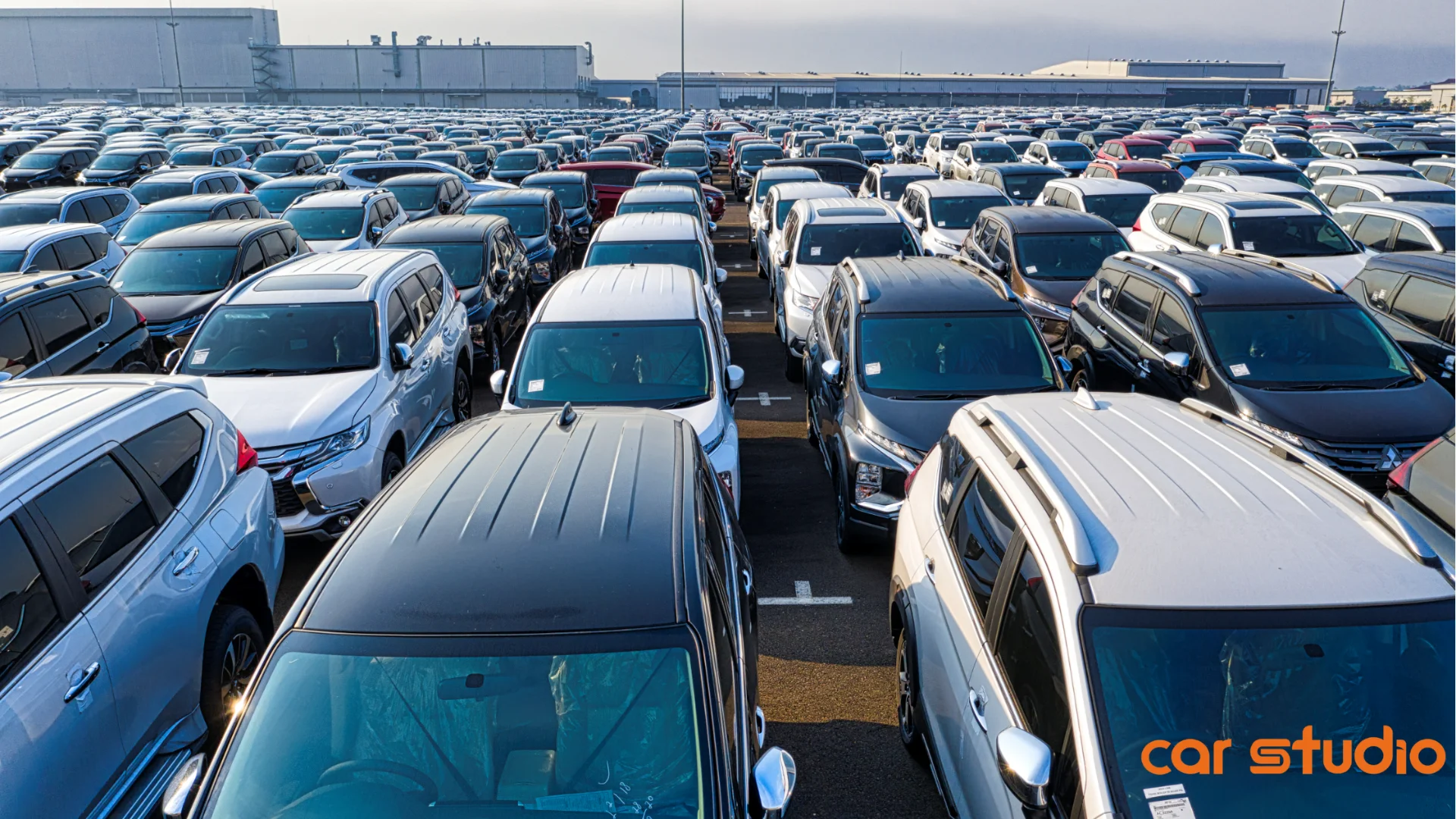
This is where the concept of visual friction comes in. If your photo has a messy background a chain-link fence, other cars, a dumpster in the corner the customer’s brain has to work harder to isolate the subject (the car). High friction equals low conversion. Conversely, a clean, studio-quality image creates a cognitive ease that invites the customer in.
Understanding this psychology is crucial because the journey from images to sales is heavily reliant on visual search and discovery, determining whether a user bounces or clicks "contact." If we accept that the photo is the hook, then the quality of that photo is the bait. And for years, dealerships have struggled to keep that bait fresh.
The Struggle of Consistency (The Old Way)
I remember visiting a dealership a few years ago to consult on their marketing. They had a massive inventory, great prices, and a solid sales team. But their online presence was a disaster.

Why? Because their "photographer" was a sales rep with an iPhone 8 who only had time to shoot cars between customers. If it was raining, the photos looked gloomy. If it was noon, the glare was terrible. If the lot was crowded, the photos looked claustrophobic.
Traditional automotive photography has always faced three massive hurdles:
Cost: Building a physical turntable studio costs tens of thousands of dollars. Hiring a professional photographer for every single SKU is operational suicide for high-turnover lots.
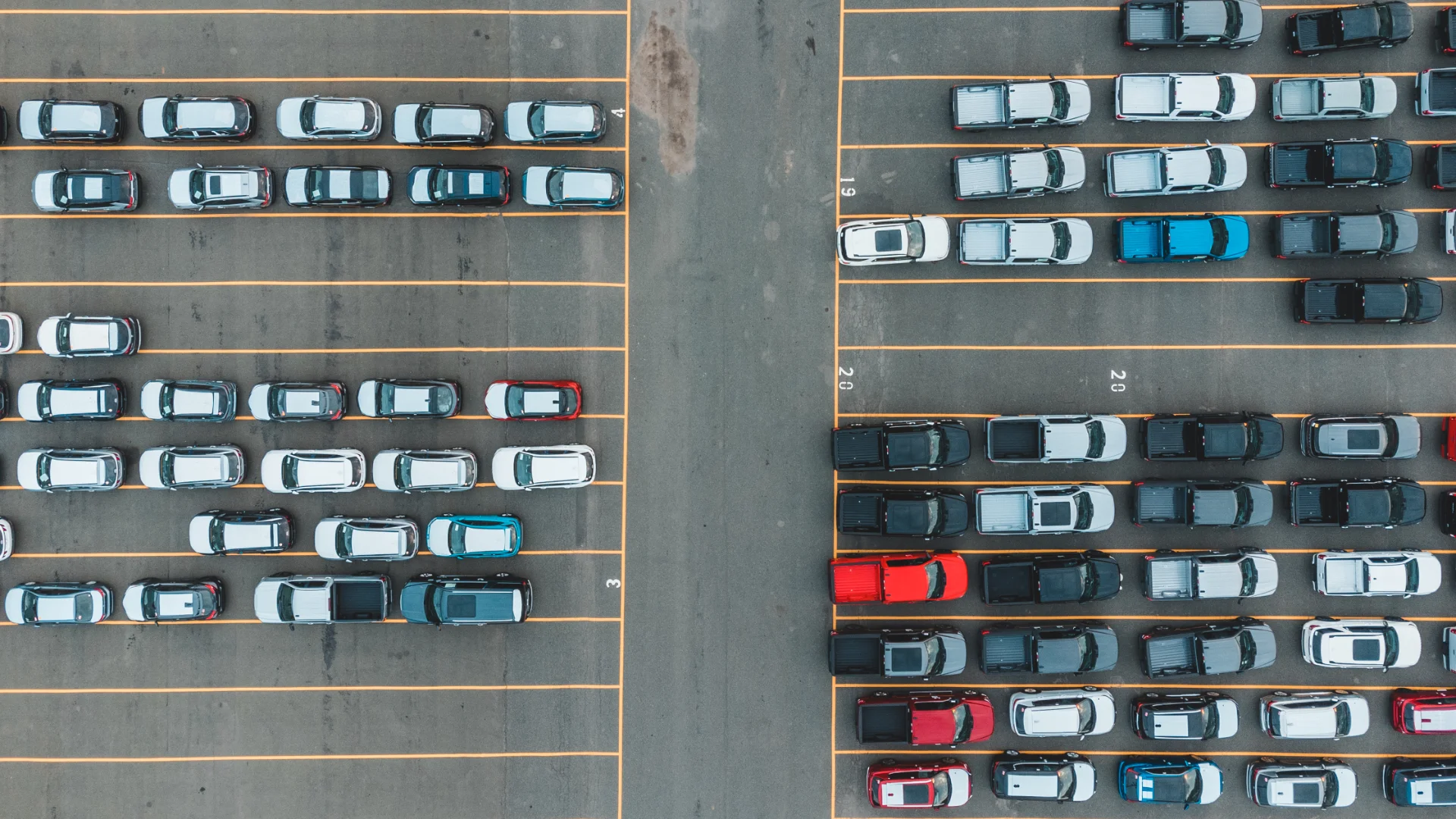
Time: Moving cars to a specific spot, prepping them, shooting them, and editing them manually is a bottleneck. It increases your "Time to Market" (TTM). Every day a car sits unlisted because it hasn't been photographed is money bleeding from your floor plan.
Inconsistency: You cannot build a brand if one photo looks like a magazine cover and the next looks like a Craigslist ad.
This is the gap that Artificial Intelligence has rushed to fill. It isn’t just a "filter"; it is a restructuring of reality to suit the needs of commerce.
How AI is Democratizing the "Studio Look"
So, how do we fix the inconsistency problem without building a $50,000 studio? This is where AI photo editing enters the chat.
The technology offered by platforms like Car Studio AI isn't just about cropping. It’s about understanding the geometry and lighting of a vehicle. When we talk about AI in this context, we are talking about computer vision that can distinguish the curve of a fender from the pavement it sits on.
The Background Remover Revolution
The first step in this process is isolation. By stripping away the distracting background the power lines, the neighboring SUVs, the grey sky you immediately elevate the perceived value of the vehicle. It signals to the buyer, “This is a premium product.”
But it goes deeper than just aesthetics. Search algorithms (like Google’s or those on third-party aggregators) prioritize clean, clear images. By utilizing visual search and image-based discovery, you can sell cars faster simply because the algorithms can "read" your car better, serving it to the right customers more frequently.
Retouching: The Digital Detail
Beyond the background, AI handles the nuances that used to require hours of Photoshop work. We are talking about:
Shadow Reconstruction: Ensuring the car looks like it is sitting on the ground, not floating in space.
Window Clarity: Removing the reflection of the photographer in the window.
Color Correction: Making sure the "Midnight Blue" actually looks blue, not black.
This allows a dealership with a smartphone and a parking spot to produce imagery that rivals a manufacturer’s brochure. It democratizes the playing field. A small independent dealer can now look just as professional as a massive franchise group.
The Economics of Efficiency
Let’s talk numbers, because eventually, this has to make business sense.
If you are manually editing photos, or paying an outsourced editor $2 to $5 per image, the costs add up. But the real cost is time.
Imagine this workflow with AI:
Porter snaps photos of a new arrival with a smartphone app.
Photos are uploaded instantly to the cloud.
AI processes them removes the background, adds the dealership’s branded backdrop, fixes the lighting, and masks the license plates.
The listing goes live within minutes, not days.
This speed is critical. In a fluctuating market, speed is profit. By automating the visual pipeline, you reduce operational drag. Your sales team stops acting as amateur photographers and goes back to doing what they do best: selling cars.
The Human Element in an AI World
There is a natural anxiety that arises whenever we discuss automation: Does this remove the soul of the business? Does it make us too robotic?
I would argue the opposite. By automating the repetitive, technical task of photo editing, you free up human bandwidth for connection. The goal is to build AI-powered marketing playbooks where the human future of car dealerships is actually more secure, because the humans are focused on empathy, negotiation, and customer service, rather than cropping JPEGs.
AI provides the consistency; humans provide the trust.
When a customer sees a pristine, professional profile of a car online, they arrive at the dealership with a higher level of trust. They perceive the dealership as professional and organized. That initial visual "handshake" smooths the path for the actual human interaction that follows.
Implementing Your AI Strategy
If you are ready to stop leaving money on the table and start treating your digital lot with the same respect as your physical one, here is how you start.
Audit Your Current Inventory: Open your website on your phone. Scroll through. Do you see a brand? Or do you see a chaotic mix of angles and backgrounds? Be honest.
Choose the Right Tool: You need a solution that integrates with your inventory management system. Look for features like batch processing and customizable backgrounds that match your dealership's branding (logo, colors).
Standardize the Capture: Even with AI, the input matters. Train your team on a standard "Walkaround" pattern. Front 3/4, Side, Rear 3/4, Interior. Consistency in shooting angles combined with AI editing creates a "flipbook" effect that customers love.
Monitor the Metrics: Watch your VDP views and time-on-page. You will likely see an uptick in engagement as soon as the image quality improves.
Conclusion: The Road Ahead
The automotive industry is not slowing down. As virtual reality and augmented reality loom on the horizon, the demand for high-fidelity digital assets will only increase. Today, it’s AI background removal; tomorrow, it might be 3D generative models of your inventory.
Incorporating AI photo editing into your strategy isn't just about "keeping up." It is about respect respect for your inventory, respect for your brand, and most importantly, respect for your customer’s time and attention.
The science is clear: better images sell cars. The technology is here: AI makes it easy. The only variable left is how quickly you decide to adapt. Embrace the change, clean up your digital lot, and watch your conversions drive forward.
FAQ Section
What is AI photo editing and how does it actually work?
AI photo editing is far more than just a simple filter or an automated crop. It utilizes advanced machine learning and computer vision technologies to "see" and understand the geometry of a vehicle just like a human eye would. The software automatically identifies the car, separates it from its surroundings, and reconstructs the image. It handles complex tasks such as removing cluttered backgrounds, correcting lighting imbalances, fixing reflections on the windshield, and even generating realistic shadows in seconds. The result is a studio-quality image produced without a physical studio.
How exactly does AI photo editing benefit car dealerships financially and operationally?
The benefits are threefold: Speed, Cost, and Conversion.
Cost Efficiency: It eliminates the need for expensive physical turntables, professional lighting setups, and outsourced editing teams, drastically reducing the cost-per-VIN.
Time-to-Market: By automating the editing process, vehicles can be listed online minutes after they arrive on the lot, rather than days later.
Brand Consistency: It ensures that whether it’s a rainy Tuesday or a sunny Saturday, every car on your website looks uniform and professional. This visual consistency builds trust, reduces bounce rates, and ultimately drives higher click-through rates (CTR) on listing sites.
Can AI replace professional photographers in automotive marketing?
It is not about replacement; it is about optimization. AI is the perfect solution for inventory photography the high-volume, day-to-day processing of new arrivals where speed and consistency are key. It frees up professional photographers to focus on what they do best: creative and emotional marketing. You still want a pro for your high-end hero shots, lifestyle campaigns, or unique video content for a new flagship launch. AI handles the grind of the 50 cars on the lot so your creative team can focus on the art of the brand.
Is AI photo editing difficult to integrate into our existing dealership software?
Not at all. Modern AI tools are designed with "plug-and-play" capability in mind. Most leading platforms offer seamless integration with standard Dealership Management Systems (DMS) and inventory management software. Whether through API connections or simple mobile apps used by your lot porters, the workflow is designed to be frictionless. Often, the photos are automatically synced from the capture device directly to your website’s backend, requiring zero technical expertise from your sales team.
What specific features should dealerships look for when choosing an AI photo editing tool?
When evaluating a tool, look beyond just background removal. Prioritize the following:
Photorealism: Does the car look like it's actually sitting on the ground, or does it look like a sticker floating in space? Shadow reconstruction is critical here.
Batch Processing: Can the system handle hundreds of images at once without crashing?
Customization: Can you upload your own branded backgrounds or dealership logos to watermark the images automatically?
Turnaround Time: In this industry, time is money. Ensure the processing speed meets your inventory turnover needs.