

The Digital Showroom Revolution: The Comprehensive Guide to AI-Driven Dealership Marketing in 2026
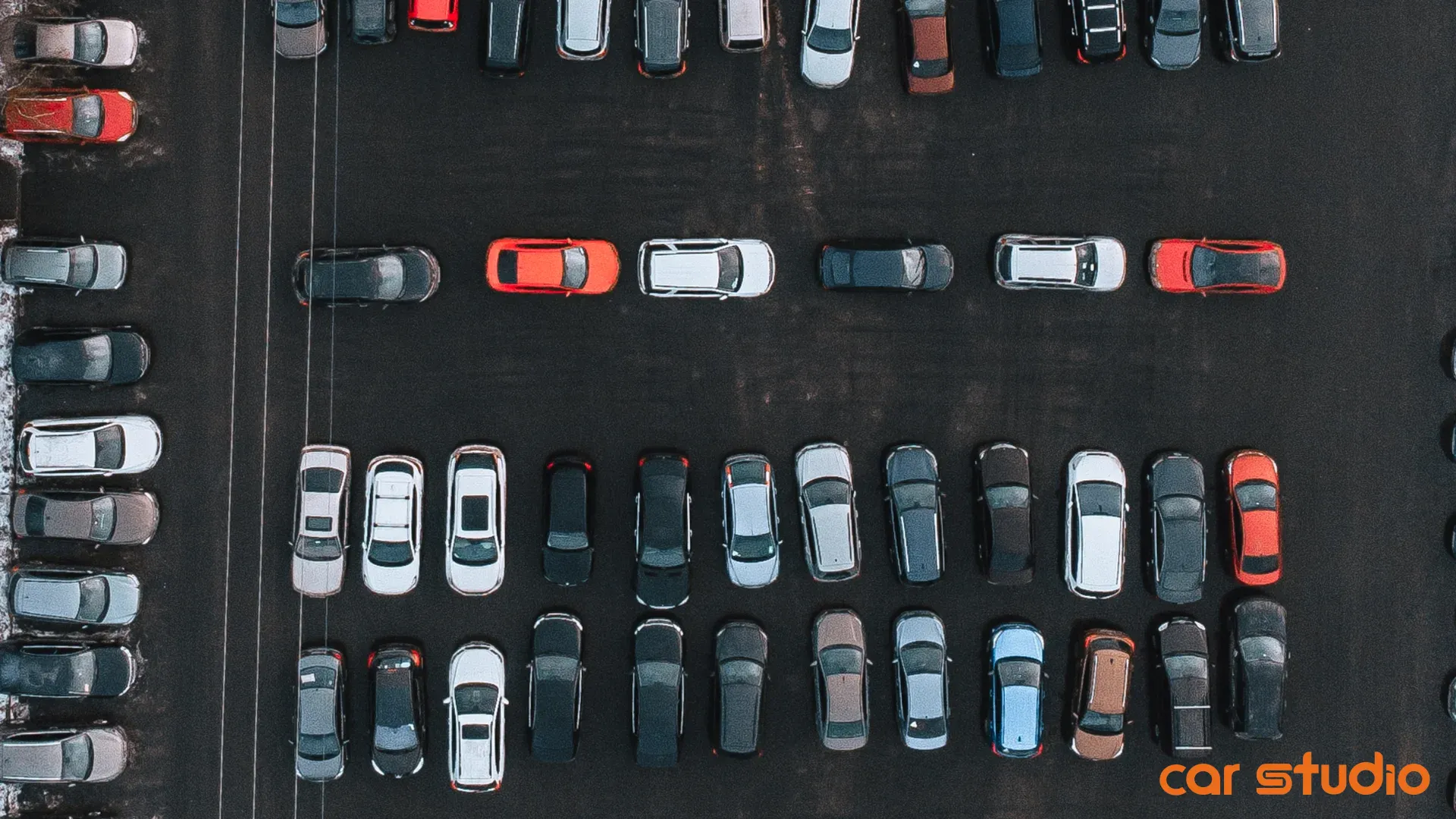
In the high-stakes world of automotive retail, the battleground has shifted. The sprawling physical lots, the inflatable tube men, and the Sunday newspaper ads are no longer the primary drivers of foot traffic. Today, the dealership experience begins and often ends in the palm of a hand.
For modern dealerships, the "front line" is a digital thumbnail. With over 92% of car buyers conducting their initial research online, your digital inventory is the single most critical asset you own. Yet, many dealerships still treat their online listings as an afterthought, using inconsistent, poorly lit, or cluttered photographs that fail to capture the emotional weight of a vehicle purchase.
This comprehensive guide explores the intersection of marketing, psychology, and artificial intelligence. We will dismantle the traditional bottlenecks of automotive photography and reconstruct a strategy built for the AI age, leveraging insights from Car Studio AI to transform your listings into a 24/7 sales engine.
The Psychology of the Digital First Impression
To understand why visual marketing is paramount, we must first understand the buyer's mind. Buying a car is rarely a purely rational decision; it is an emotional journey justified by logic. When a potential customer scrolls through a marketplace like Autotrader or browsing Google, their brain makes split-second value judgments based on visual cues.
The Cognitive Load of Clutter
Every distracting element in a car photo a dumpster in the background, a reflection of the photographer, a rainy pavement increases "cognitive load." The buyer has to work harder to see the car itself. In the fast-paced economy of attention, friction is the enemy of conversion.
As detailed in the deep-dive article, The Hidden Science of Car Listings That Convert, there is a direct correlation between visual cleanliness and time-on-page. High-converting listings share specific traits:
Subject Isolation: The car is the undeniable hero of the shot.
Consistency: Every vehicle is presented in the same environment, establishing a subconscious pattern of reliability.
Lighting: Simulating "Golden Hour" lighting evokes positive emotional responses.
When a dealership uses AI to standardize their backgrounds replacing a chaotic service lane with a sleek, branded virtual studio they aren't just "cleaning up" a photo. They are building trust. They are signaling, "We care about the details, so you can trust us with the engine."
The Operational Bottleneck of Traditional Photography
For decades, the "Time to Market" (TTM) for used inventory has been plagued by logistical nightmares. The traditional photography workflow is linear, slow, and expensive:

The Shuffle: Porters must move cars to a designated "photo wall" or turntable.
The Wait: Photography depends on the weather. Rain or harsh noon sun can ruin a shoot.
The Edit: Raw photos are sent to an editor or outsourced service, often taking 24-48 hours to return.
The Upload: Finally, days later, the car is online.
In a market where inventory depreciation is a ticking clock, these delays cost thousands of dollars annually. If a car sits on the lot for three days waiting for photos, that is three days it doesn't exist to the digital buyer.
The Solution: Decoupling Location from Quality
This is where Artificial Intelligence fundamentally changes the dealership operational model. By utilizing tools outlined in the Ultimate Guide to Professional Car Photo Editing AI, dealerships can shoot a car anywhere in the wash bay, on the grass, or in a crowded lot and instantly transform it into a studio-grade asset.
Car Studio AI utilizes computer vision to separate the vehicle from its surroundings with pixel-perfect accuracy. It preserves essential details like window transparency and shadow logic while swapping the environment entirely. The result? A TTM reduced from days to minutes.
Visual Search and the New Era of SEO
Marketing managers often obsess over keywords: "Best SUV in Miami" or "Affordable Sedan." While text-based SEO remains important, the internet is undergoing a visual revolution. Platforms like Google Lens, Pinterest, and even social media algorithms are shifting toward "Visual Search."
In this new paradigm, the image is the query.
How AI Helps You Get Found
Algorithms can now "read" images. They can identify the make, model, year, and even trim level of a car simply by analyzing the pixels. However, these algorithms struggle with low-quality data. A photo of a dark car in a dark warehouse is "unreadable" to a visual search engine.
According to insights from Images to Sales: Visual Search and Discovery in Cars Online, high-contrast, professional images act as "Visual SEO."
Discoverability: Clean images are more likely to appear in Google Image "Product" carousels.
Click-Through Rate (CTR): On third-party marketplaces, your car is competing in a sea of thumbnails. A bright, standardized photo acts as a visual anchor, drawing the eye and earning the click.
By processing your inventory through Car Studio AI, you are essentially optimizing your stock for the machine-learning algorithms that dictate what buyers see next.
Building a Brand Identity Without Building a Studio
Consider the branding power of major luxury manufacturers. When you visit Porsche’s website, you don’t see parking lots; you see a curated aesthetic. For independent dealerships or franchise groups, building a physical photo studio to match that aesthetic is a massive capital expenditure often costing upwards of $50,000 to build and maintain.

AI democratizes this luxury.
The Virtual Studio Strategy
With AI, your "studio" is software, not concrete. You can design a background that perfectly matches your dealership’s branding colors and logo.
Standardization: Whether you are selling a $5,000 hatchback or a $100,000 exotic, they both appear on your site with the same premium background. This elevates the perceived value of your lower-end inventory.
Flexibility: Want to run a winter sales event? You can update the virtual backgrounds of your entire inventory to a snowy, festive theme in clicks, without re-photographing a single car.
Scale: For groups with multiple locations, AI ensures that the inventory in Location A looks identical to the inventory in Location B, creating a unified brand experience across the region.
A Step-by-Step Implementation Plan
How does a dealership transition from manual chaos to AI-driven precision? Here is a roadmap for marketing managers.
Phase 1: The Audit (Days 1-3) Review your current Vehicle Detail Pages (VDPs). Look for "visual dissonance." Are the angles consistent? Are the backgrounds distracting? Calculate your average "Time to Website" for new inventory.
Phase 2: The Integration (Days 4-7) Adopt an AI editing solution like Car Studio AI. Train your lot porters or photographers on the "Shoot for AI" protocol:
Ensure the entire car is in the frame.
Shoot at hip level for the most aggressive/heroic stance.
Don't worry about the background; focus on the car's cleanliness.
Phase 3: The Automation (Week 2) Integrate the AI processing into your inventory management feed. As photos are uploaded, they should automatically be processed to remove backgrounds, correct lighting, and apply your branded virtual studio.
Phase 4: The Marketing Push (Month 1) Update your paid ad creatives (Facebook/Instagram/Google Display). Use the new, clean AI images. Measure the difference in CTR. Typically, dealerships see a lift in engagement simply because the ads look more premium and trustworthy.
Conclusion: The Future is Pixel-Perfect
The automotive industry is often slow to adapt to change, but the shift toward AI-enhanced imagery is not a trend it is the new standard. As generative AI continues to evolve, we will soon see 360-degree virtual tours generated from simple 2D photos and hyper-personalized listings that change the background based on the specific viewer's location.
However, the core principle remains unchanged: Perception is reality.
If your online inventory looks disorganized, customers assume your cars are too. If your inventory looks pristine, professional, and high-quality, customers assume your service matches. By leveraging the tools provided by Car Studio AI, you are not just editing photos; you are engineering trust, accelerating turnover, and positioning your dealership as a leader in the digital age.
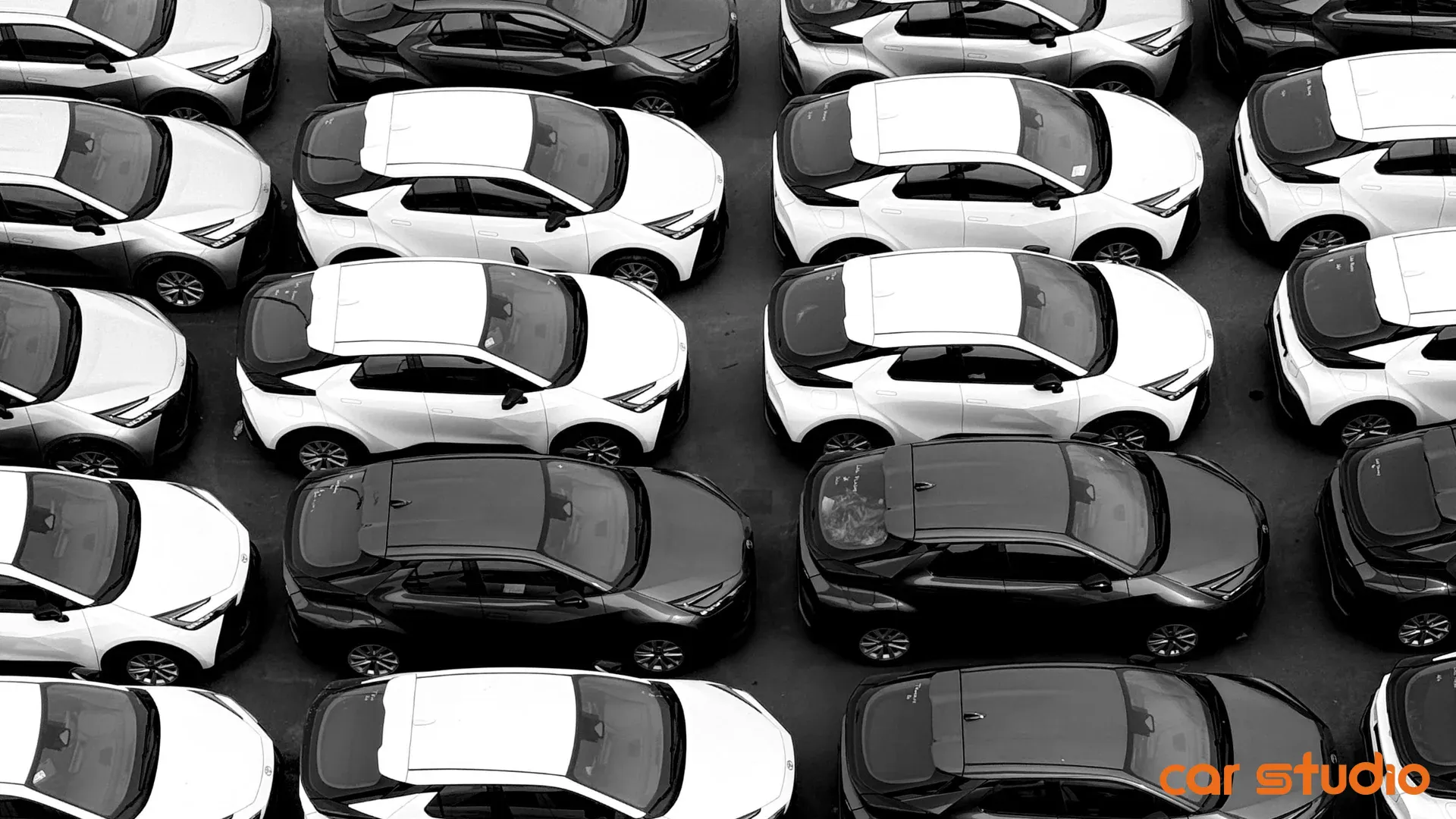
Don't let your marketing be limited by the weather outside or the clutter on your lot. Embrace the control, speed, and consistency of AI.
Frequently Asked Questions (FAQ)
Q: Will using AI-edited photos make my inventory look "fake" or misleading to customers?
A: Not at all. The goal of professional AI editing, like Car Studio AI, is to enhance the presentation, not to hide the reality. The AI focuses on removing distracting backgrounds (like dumpsters or other cars) and correcting lighting. It does not fix dents, scratches, or physical imperfections on the vehicle itself. This approach maintains the transparency required to build trust while providing the premium aesthetic that drives clicks.
Q: How does AI photography impact my dealership’s SEO?
A: Visuals are now a critical part of SEO. Search engines like Google use computer vision to understand and rank images. Clean, high-contrast images with clear subject isolation are easier for these algorithms to index. As noted in our guide on Visual Search and Discovery, high-quality images increase your visibility in Google Image Search and "Recommended" feeds, driving organic traffic to your VDPs.
Q: Do I still need to hire a professional photographer if I use Car Studio AI?
A: AI significantly lowers the barrier to entry. While a professional photographer is always an asset, AI allows your existing staff (porters, sales reps) to take high-quality photos using just a smartphone. Because the AI automatically handles the "hard parts" lighting correction, background removal, and centering you can achieve studio-quality consistency without the high overhead of a professional photo team.
Q: What is the ROI on AI photo editing compared to traditional methods?
A: The ROI comes from two main sources: speed and conversion. Traditional editing can take 24-48 hours, keeping cars off your website. AI processes images in seconds, allowing you to list cars the same day they arrive. Furthermore, data from the Science of Car Listings shows that consistent, professional-looking VDPs can increase Click-Through Rates (CTR) significantly, lowering your overall Cost Per Lead (CPL) on paid advertising platforms.
Q: Can I customize the backgrounds to match my dealership’s brand?
A: Yes. Consistency is key to brand recognition. Car Studio AI allows you to select or upload specific virtual backgrounds whether it's a clean white studio, a luxury grey wall, or a branded outdoor scene ensuring that every car, regardless of where it was photographed, looks like it belongs to your specific dealership.