
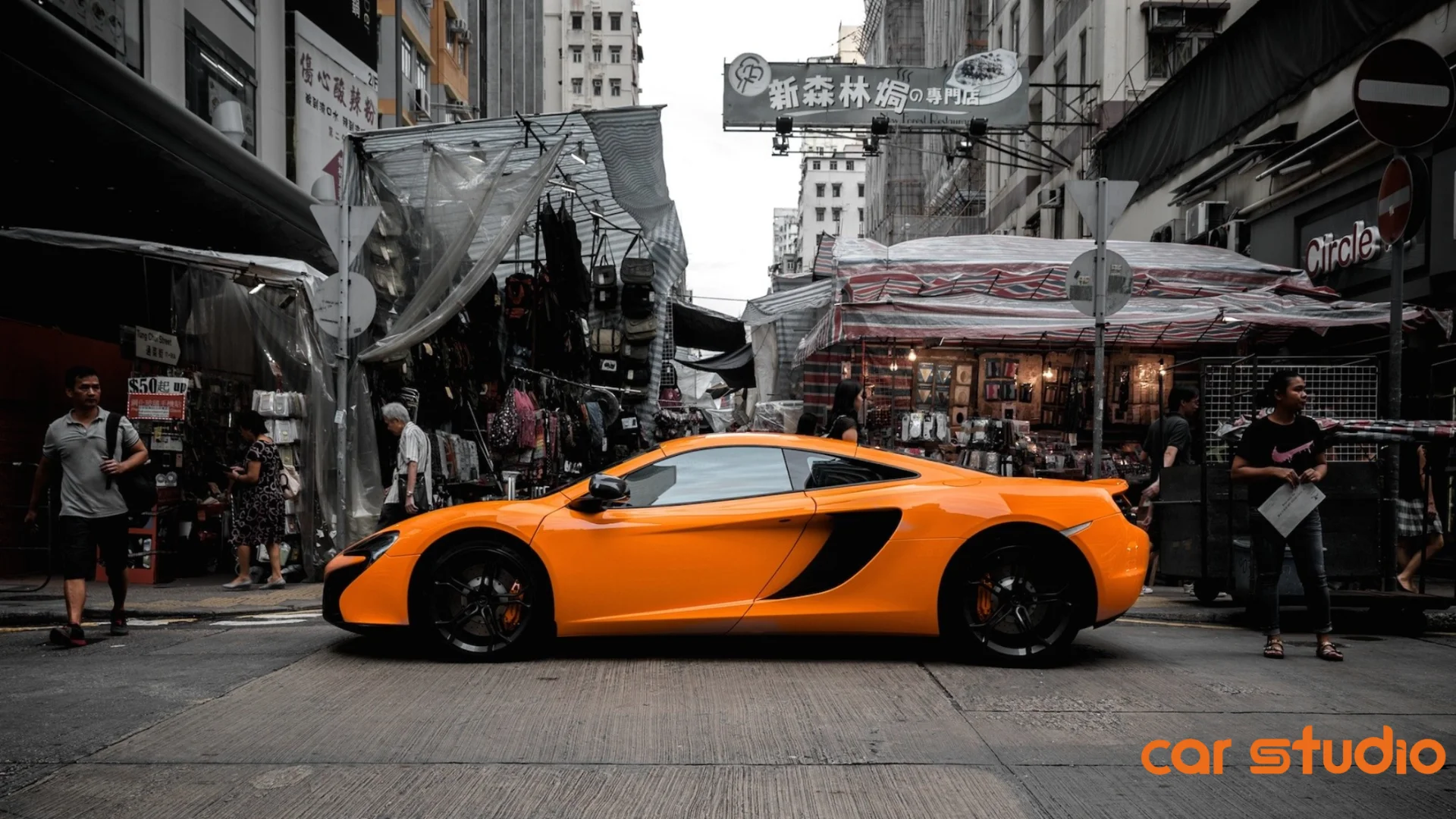

The Art of the Scroll-Stopper: Decoding the Secret Behind Viral Car Photos
I still remember the first time I tried to sell a car online. It was a reliable, well-maintained hatchback that I had washed, waxed, and parked in my driveway. I took a few photos with my smartphone, uploaded them to a marketplace, and waited. And waited.
Meanwhile, I watched listings for cars in worse mechanical condition but with stunning, magazine-quality photos rack up views, likes, and "Sold" tags in mere hours. It was a humbling lesson in the psychology of digital sales: We buy with our eyes long before we buy with our wallets.
In today’s hyper-competitive automotive market, the journey doesn't start on the lot; it starts on a screen. Specifically, it starts with a thumb scrolling through a feed. To stop that thumb, you need more than just a clean car; you need visual storytelling.
So, what exactly makes a car photo go viral? How do some dealerships turn a standard used inventory listing into a piece of content that people share, like, and covet? Let’s take a deep dive into the transformative world of automotive imagery and how Artificial Intelligence is rewriting the rules of the game.
The Psychology of the "Hero Shot"
Before we talk about technology, we have to talk about human behavior. Why do certain images grab us?
When a potential buyer is browsing, they are in a state of high cognitive load. They are comparing prices, mileage, models, and features. A cluttered photo with a distracting background (like a dumpster, another car, or a messy street) adds to that mental load. The brain has to work to separate the subject (the car) from the noise.
High-quality, professional images act as a mental shortcut. They signal specific values: trust, luxury, and care. When a car is presented against a clean, studio-like background with perfect lighting, the brain instantly categorizes it as a "premium" object.
This is where the concept of "viral" enters the chat. Viral car photos aren't just clear; they are evocative. They make the viewer imagine themselves in the driver's seat. They sell a lifestyle, not just a mode of transport.
The Evolution: From the Driveway to the AI Studio
Historically, achieving this level of visual fidelity was a logistical nightmare. You needed a physical turntable, expensive strobe lighting, a dedicated photographer, and hours of post-processing in Photoshop. For most used car dealerships, this was simply unscalable.
But the landscape has shifted dramatically. We are witnessing a massive democratization of creativity, where the heavy lifting is no longer done by hardware, but by software.
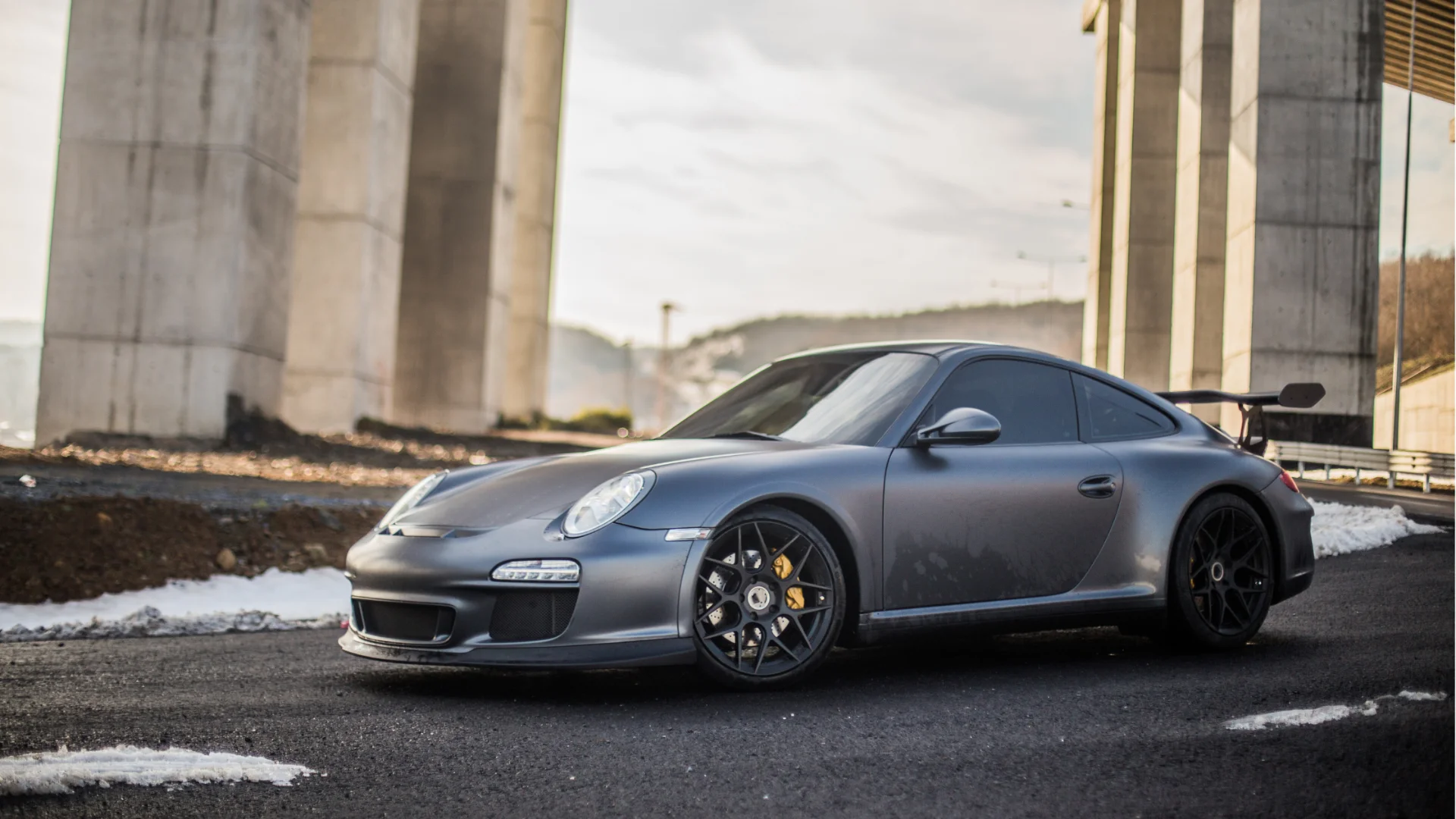
The industry is currently in a transition phase where understanding how AI is transforming car photography has become the dividing line between dealerships that thrive and those that stagnate. It is no longer just about editing; it is about generative creation. We are moving from "taking" photos to "constructing" visual assets. AI allows us to strip away the chaos of a busy dealership lot and replace it with a serene, brand-aligned environment that focuses the buyer's attention entirely on the vehicle.
The "Luxury" Effect: Perception is Reality
Let’s be honest: not every car on the lot is a Ferrari. But every car owner wants to feel like they are making a premium purchase. This is where the artistry of AI comes into play.
I’ve seen standard sedans look like executive luxury vehicles simply because of how they were framed and edited. It’s about manipulating the visual cues that our brains associate with high value. This involves correcting the stance of the car, cleaning up the reflections on the hood, and ensuring the background implies sophistication rather than utility.
There is a distinct methodology to this. If you look at high-end manufacturers, they use specific angles and environments to convey power and elegance. Interestingly, you can apply these same principles to a 5-year-old SUV. By utilizing specific AI photography hacks to make a car look luxury, sellers can artificially elevate the perceived value of the vehicle. We aren't misrepresenting the car the scratches and dents should still be disclosed—but we are presenting it in its "Sunday Best." It’s the automotive equivalent of wearing a tailored suit to a job interview.
Lighting: The Invisible Deal-Breaker
If composition is the king of photography, lighting is undoubtedly the queen. You can have a pristine car and a great background, but if the lighting is flat, harsh, or inconsistent, the photo will feel "dead."
In traditional photography, achieving the "Golden Hour" look (that soft, warm glow just before sunset) or the crisp "Studio White" look requires massive effort. You have to fight the sun, deal with harsh shadows, or invest in thousands of dollars of lighting equipment.
This is where I find AI to be most impressive. It understands the 3D geometry of a car. It knows where the light should hit the curves of the fender and how it should reflect off the windshield.
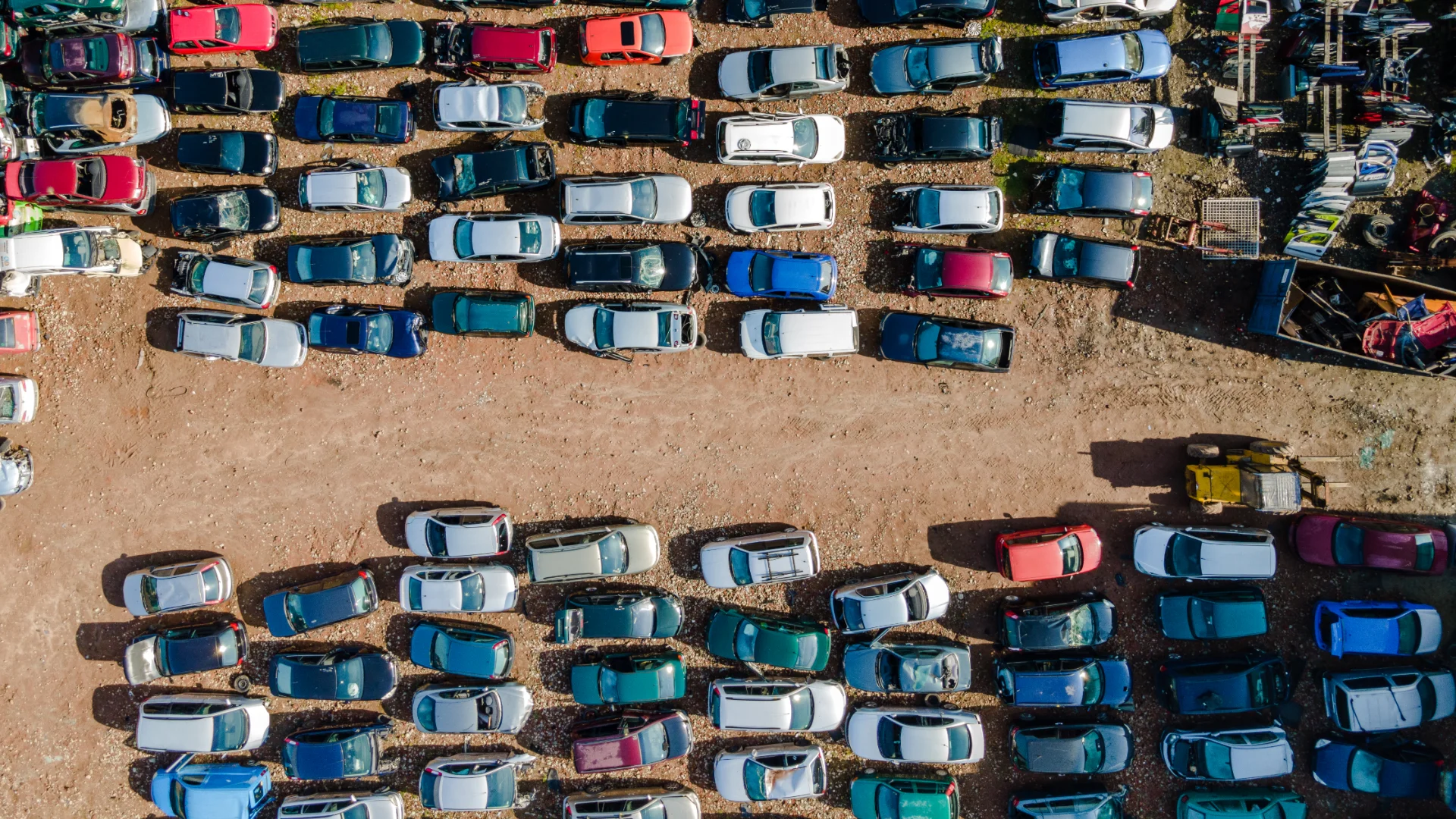
For used car dealers, this is critical because used cars often have duller paint or imperfections. Harsh sunlight exaggerates these flaws. Soft, diffuse studio lighting hides them or makes them less abrasive. Implementing AI studio lighting hacks for used car photography allows you to simulate a multi-light setup that wraps around the vehicle, highlighting its lines while softening the noise. It brings a consistency to your inventory that suggests, "We are professionals."
The Business Case: Why "Good Enough" is No Longer Enough
We can talk about art and psychology all day, but eventually, we have to talk about the bottom line. Does this actually sell more cars?
The data suggests a resounding yes. First impressions are everything. Studies indicate that listings with professional-grade photos receive up to 50% more clicks than those without. That is a massive difference in top-of-funnel traffic.
Furthermore, there is the metric of Click-Through Rate (CTR). A prominent online retailer recently reported a 30% increase in CTR after revamping their listings with AI-enhanced images. Why? Because when a user is scrolling through a list of 50 grey sedans, the one that looks like it is parked in a futuristic showroom stands out.
The Trust Factor
There is also a subtle branding play here. Consistency breeds trust. When a customer lands on your Virtual Showroom and sees that every single car is photographed from the same angle, with the same lighting, and on the same background, it subconsciously tells them that your operation is organized and reliable.
Conversely, a feed that is a mix of rainy parking lot shots, dark warehouse photos, and blurry close-ups suggests a chaotic business. In the digital age, your photo gallery is your handshake.
The Human Element in an AI World
A common fear and a valid question I hear often is whether this technology removes the human element. "Can AI replace professional photographers?"
My answer is nuanced: It complements, rather than replaces. For a $300,000 Lamborghini, you still want a human artist to capture the soul of the machine for a hero campaign. But for the daily churn of inventory the hundreds of cars that pass through a lot monthly AI is the only way to achieve professional consistency at scale.
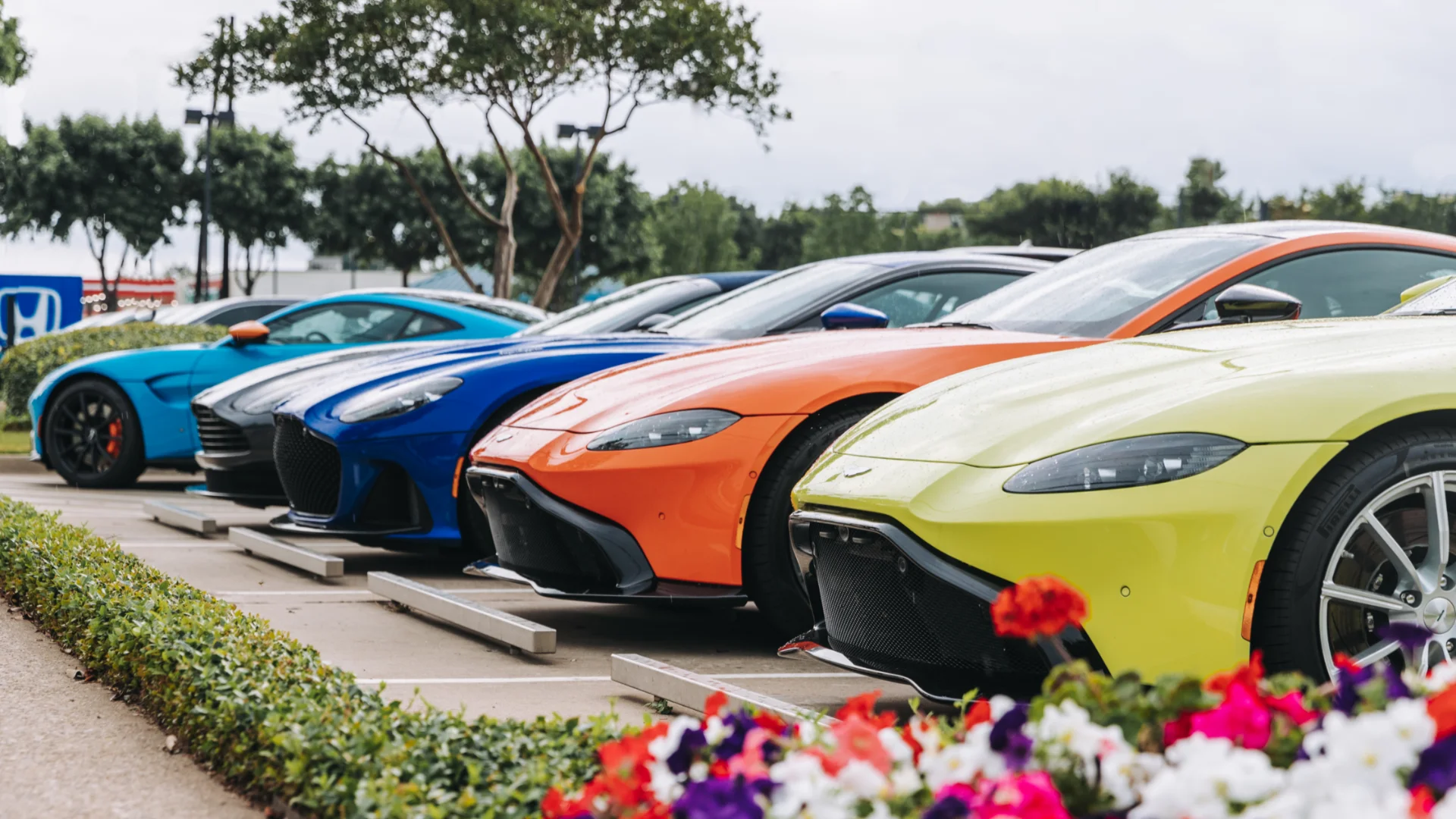
It frees up human creativity. Instead of spending hours masking out backgrounds in Photoshop, creative teams can focus on strategy, video content, and customer experience.
Conclusion: The Future is Visual
The secret behind viral car photos isn't luck. It is a calculated mix of psychology, technology, and artistic intent. It is about understanding that you are not just selling a machine; you are selling the dream of mobility, freedom, and status.
Tools like Car Studio AI are not just "editing software"; they are the new standard for automotive retail. They allow independent dealers to punch above their weight class and look just as polished as major national franchises.
As we move forward, the line between the physical showroom and the digital one will continue to blur. The winners will be those who understand that in a digital-first world, the photo is the product. By investing in these advanced tools, you aren't just cleaning up a JPEG; you are positioning your business as a modern, innovative market leader ready for the future of automotive sales.
Frequently Asked Questions
What is AI car photography?
It is more than just a simple photo filter; AI car photography represents a technological leap utilizing computer vision and machine learning. It understands the 3D geometry and materials of a vehicle to automatically remove clutter, correct reflections, and place the car in a premium virtual environment. Essentially, it allows you to take a photo with a smartphone in a crowded lot, and within seconds, transforms it into a clean, studio-grade image democratizing high-end photography for dealers of all sizes.
How does AI photography increase click-through rates?
In the digital age, attention is currency. AI photography boosts CTR by reducing the "cognitive load" for the buyer; clean, consistent images are easier for the brain to process and signal immediate trustworthiness. When a listing looks professional, buyers subconsciously associate that visual quality with the mechanical condition of the car and the reliability of the dealership. It effectively stops the scroll and invites the user to explore the listing further.
Can AI replace professional photographers?
It’s not about replacement; it’s about efficiency and scale. For standard daily inventory the hundreds of cars that need to be listed quickly AI is faster, cheaper, and more consistent than manual photography. However, for high-stakes "hero" shots of ultra-luxury vehicles or emotional brand campaigns, the artistic eye of a professional photographer remains irreplaceable. AI handles the high-volume grunt work, freeing up human creatives to focus on strategy and art.
Is AI photo editing difficult to implement?
Not at all. The beauty of modern platforms like Car Studio AI is that they are built for non-technical users. There is no need to learn complex software like Photoshop or understand coding. Whether through a mobile app or a web dashboard, the process is typically as simple as uploading your raw photos and letting the algorithms handle the heavy lifting. It integrates seamlessly into existing workflows with virtually zero learning curve.
What are the costs associated with AI car photo editing?
Think of it as trading a massive capital expense for a flexible operational one. Traditional photography requires physical turntables, lighting rigs, expensive cameras, and hours of manual labor. AI solutions slash these overheads dramatically by "virtualizing" the studio. You pay a predictable, scalable rate per image or subscription, which is generally a fraction of the cost of a traditional photoshoot, delivering a much higher ROI for your listings.