

Why Buyers Trust Clean Car Photos More Than Real Showrooms
I want you to imagine a scenario. You are walking down a high street looking to buy a watch. On the left, there is a shop with dirty windows, cluttered shelves, and poor lighting. You can see the watches, sure, but they are sitting next to a half-drunk cup of coffee and a stack of paperwork. On the right, there is a boutique. It’s minimalist, well-lit, and the watches are placed on clean, velvet cushions.
Both shops are selling the exact same watch for the exact same price. Which door do you open?
You go to the right. We all do. This is human nature. We equate order with competence, and we equate cleanliness with trustworthiness.
For decades, the automotive industry relied on the physical version of the "shop on the right." Marble floors, free espresso, and shiny showrooms. But today, the showroom has moved. It is no longer a building on a highway; it is a 6-inch screen in your customer's pocket. And in this digital ecosystem, the rules of trust have changed entirely.
In this deep dive, we are going to explore a somewhat controversial truth: Buyers now trust high-quality, AI-enhanced photos more than they trust "real," raw photos from the lot. We will unpack the psychology behind this, the operational shift, and why the "first impression" is the only impression that matters anymore.
The Cognitive Load of the "Real" Photo
There is a misconception in the used car market that "raw" photos the ones taken on a rainy Tuesday with a dumpster in the background are better because they feel "authentic."
I am here to tell you that this is a myth that is costing you sales.
When a human being looks at a photo, their brain processes visual information instantly. If a car photo has a busy background other cars, power lines, a chain-link fence, a salesperson eating a sandwich the brain has to work harder to isolate the subject (the car). This is called Cognitive Load.
High cognitive load creates what psychologists call "visual friction." When a customer feels friction, they subconsciously associate that chaos with the dealer itself. They think, “If their photos are messy, their service is probably messy. If they didn't take the time to move the trash can, did they take the time to inspect the engine?”
This is where the transition to AI Marketplaces 2.0 creates a foundation for building trust through smart visuals. By using AI to clean the background and standardize the lighting, you are not "faking" the car; you are removing the cognitive load. You are quieting the noise so the buyer can hear the signal.
The Paradox of the Digital Showroom
We are living in an era where the screen resolution of a smartphone is higher than the print quality of magazines from ten years ago. Buyers are hyper-aware of visual quality.
The "Amazon Effect"
Think about Amazon. When you buy a product there, the main image is always on a pure white background. It is clean, clinical, and standard. We have been conditioned by e-commerce giants to view consistent, clean imagery as the standard for professional retail.
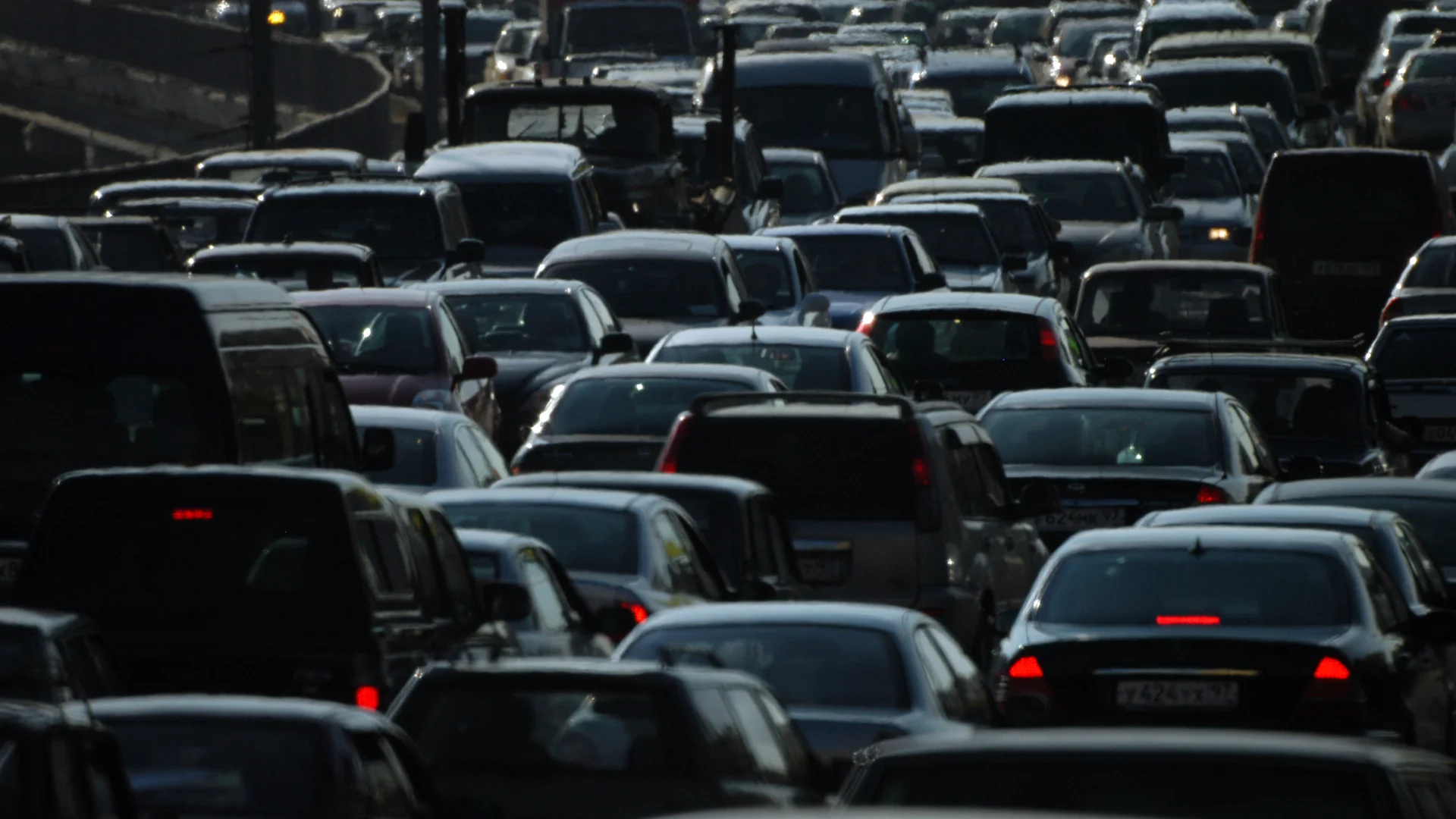
When a car dealership uploads a photo that is dark, shadowy, or inconsistent, it breaks that conditioning. It screams "amateur."
This is where AI steps in as the great equalizer. It allows a small independent dealer to present their inventory with the same visual fidelity as a luxury manufacturer. It provides a level of marketplace integrity where AI-enhanced photos actually bolster buyer trust rather than diminish it. Why? Because the buyer can clearly see what they are buying. They can see the lines of the fender, the tread on the tires, and the clarity of the headlights without the distraction of the environment.
Consistency equals Reliability
Trust is built on patterns. If a customer scrolls through your Vehicle Detail Page (VDP) and sees 20 cars, and every single one of them is photographed at the same angle, with the same lighting, and the same clean background, it sends a powerful psychological signal: "We have a process. We are professionals."
Inconsistency one photo in the sun, one in the shade, one in the warehouse signals chaos. AI allows you to manufacture consistency at a scale that is humanly impossible without a million-dollar studio.
The Operational Revolution (Why Speed Wins)
Let’s step away from psychology for a moment and look at the hard operational reality.
In the old world, getting "studio quality" photos meant:
Building a physical turntable (Cost: $30k - $50k).
Hiring a professional photographer (Cost: Salary + Benefits).
Moving every car to the studio (Cost: Time and Labor).
waiting for edits (Cost: Time-to-Market).
This process is slow. And in the used car business, time is depreciation. Every day a car sits unlisted because it is waiting for a photoshoot is money bleeding from your floor plan.
AI car photography disrupts this entirely. It decouples quality from geography. You can photograph a car where it stands on the lot, in the prep bay, even at the auction house and use AI to transport it to a virtual studio instantly.
This speed gives you a massive marketplace advantage, allowing smarter AI photos to win buyers' trust before your competitor has even booked their photographer. You get the car online faster, looking better. That is the definition of operational efficiency.
Addressing the Skeptics (Is it "Fake"?)
This is the question I get asked most often in consulting: "But if we use AI, aren't we lying to the customer?"
The answer is a resounding no, provided you use the technology responsibly.
There is a difference between deception and presentation.
Deception is using AI to remove a dent, smooth out a scratch, or hide a cracked windshield. Do not do this. That destroys trust.
Presentation is using AI to remove the distracted background, fix the white balance so the red paint looks red (not orange), and ensure the car is well-lit.
Buyers are smart. They know the car isn't floating in a grey void. They understand it's a studio background. What they appreciate is the effort taken to present the vehicle clearly. They trust the clarity.
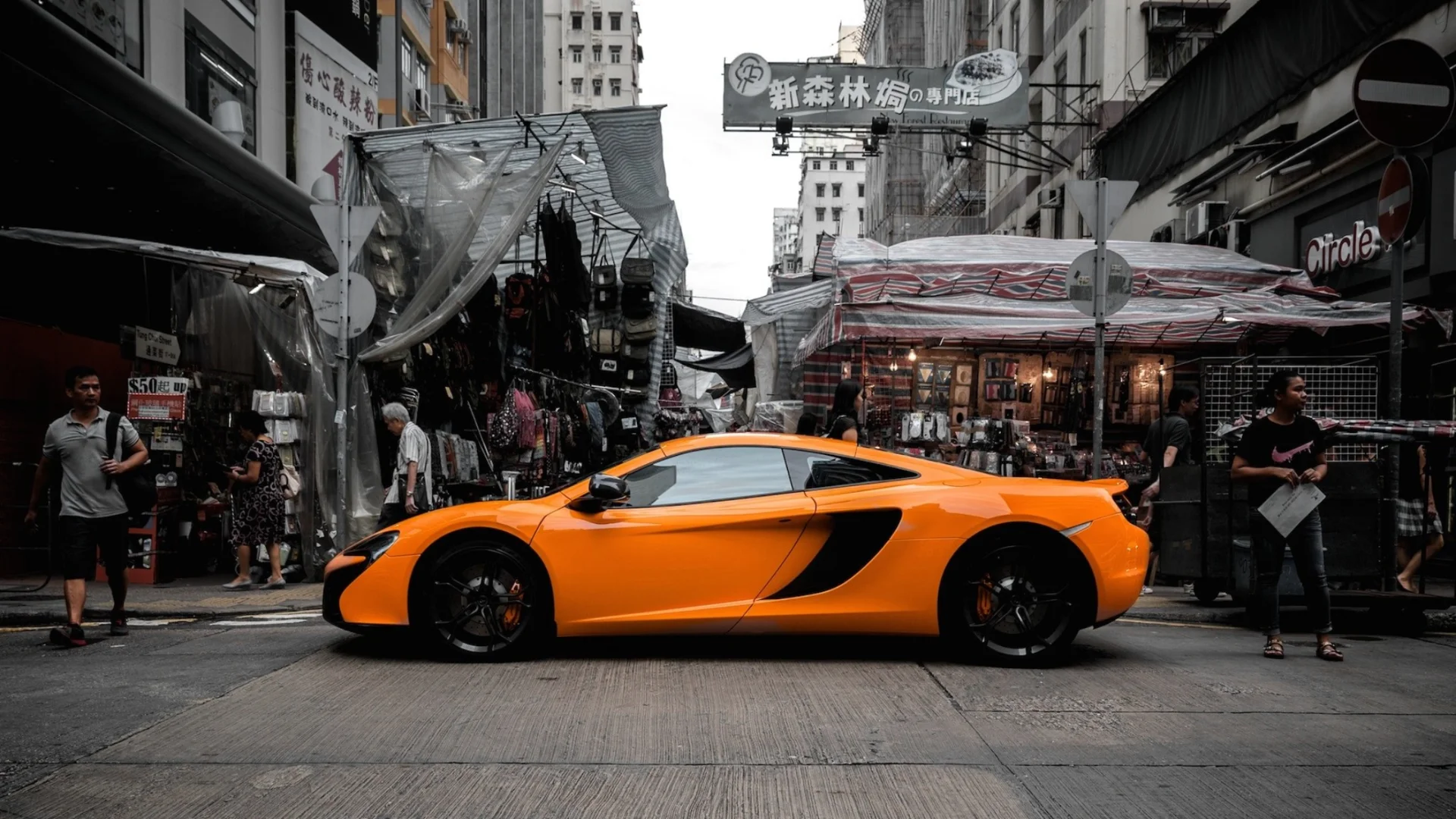
In fact, "real" photos can be more deceptive. A photo taken in harsh noon sunlight often hides scratches in the glare, or makes the interior look faded when it isn't. AI processing, which balances exposure and contrast, often provides a truer representation of the vehicle's actual color and condition than a raw smartphone photo.
The Data Doesn't Lie
We can talk about feelings and psychology all day, but the metrics back this up.
Click-Through Rate (CTR): Listings with a "hero shot" (the main image) featuring a clean background and professional angle see CTR increases of 20-30%.
Time on Page: When the gallery is high-quality and consistent, users spend more time flipping through the photos.
Lead Conversion: Ultimately, the path of least resistance wins. A buyer is more likely to submit a lead on a car that looks premium than one that looks neglected.
Conclusion: The New Standard of Care
As we move forward, the line between "online" and "offline" sales will continue to blur. Virtual Reality (VR) and Augmented Reality (AR) are next. But right now, today, the battleground is the 2D image.
Your inventory is your capital. How you present it is your brand.
Leveraging AI car photography is no longer just a "nice to have" tech trick; it is a fundamental shift in how we respect the customer's attention. It says, "We value your time, so we made this easy to look at."
The dealerships that cling to the old ways the messy lots, the bad lighting, the "authentic" chaos will find themselves fighting for attention in a market that has moved on. The dealerships that embrace the digital studio will not only sell cars faster; they will build a brand that buyers return to, simply because it feels good to shop there.
Clean photos don't just look better. They trust better.
FAQs: Understanding the AI Shift
What exactly is AI car photography and how does it differ from standard editing?
AI car photography involves using artificial intelligence and machine learning algorithms to automatically identify the vehicle in a photo and separate it from its environment. Unlike standard manual editing (which requires a human to trace lines and adjust pixels), AI understands the 3D geometry of the car. It can replace backgrounds, generate realistic shadows, correct reflections on the glass, and adjust lighting in seconds. It is the difference between a manual drawing and a 3D render.
How does AI photography actually improve click-through rates (CTR)?
It comes down to "pattern interruption." When a user is scrolling through a listing site (like AutoTrader or Cars.com), their eye scans hundreds of thumbnails quickly. A messy photo blends into the noise. A clean, high-contrast image with a professional background "pops" it grabs visual attention. Furthermore, because the image looks premium, the buyer subconsciously assigns a higher value to the vehicle before they even see the price, making them more curious to click.
Can AI replace professional photographers entirely?
For the daily grind of inventory photography (the 50 cars that land on your lot this week), yes, AI effectively replaces the need for a pro on-site. However, AI is a tool for scale and consistency. It does not replace the creative eye needed for "emotional" shots like lifestyle marketing campaigns, social media reels, or launch events for high-end vehicles. Think of AI as your assembly line, and the photographer as your artist. You need the assembly line for volume.
Is AI photo editing expensive compared to traditional methods?
It is significantly cheaper. If you calculate the "Cost Per VIN," traditional photography includes the photographer's hourly rate, the square footage cost of the photo bay, the electricity, and the labor cost of moving cars. This can range from $20 to $50 per car. AI solutions often bring this down to a few dollars (or less) per car, while also returning the "time cost" to your team.
How do I choose the right AI car photography tool?
Don't just look for "background removal." Look for:
Shadow Logic: Does the car look grounded? Bad AI makes cars look like they are flying.
Window Transparency: Does the AI handle the glass correctly, or does it look painted on?
Workflow Integration: Can the tool talk to your DMS or website provider automatically?
Preservation of Imperfections: Does the tool allow you to keep the car's true condition visible? (Remember, we want to clean the background, not hide body damage).