
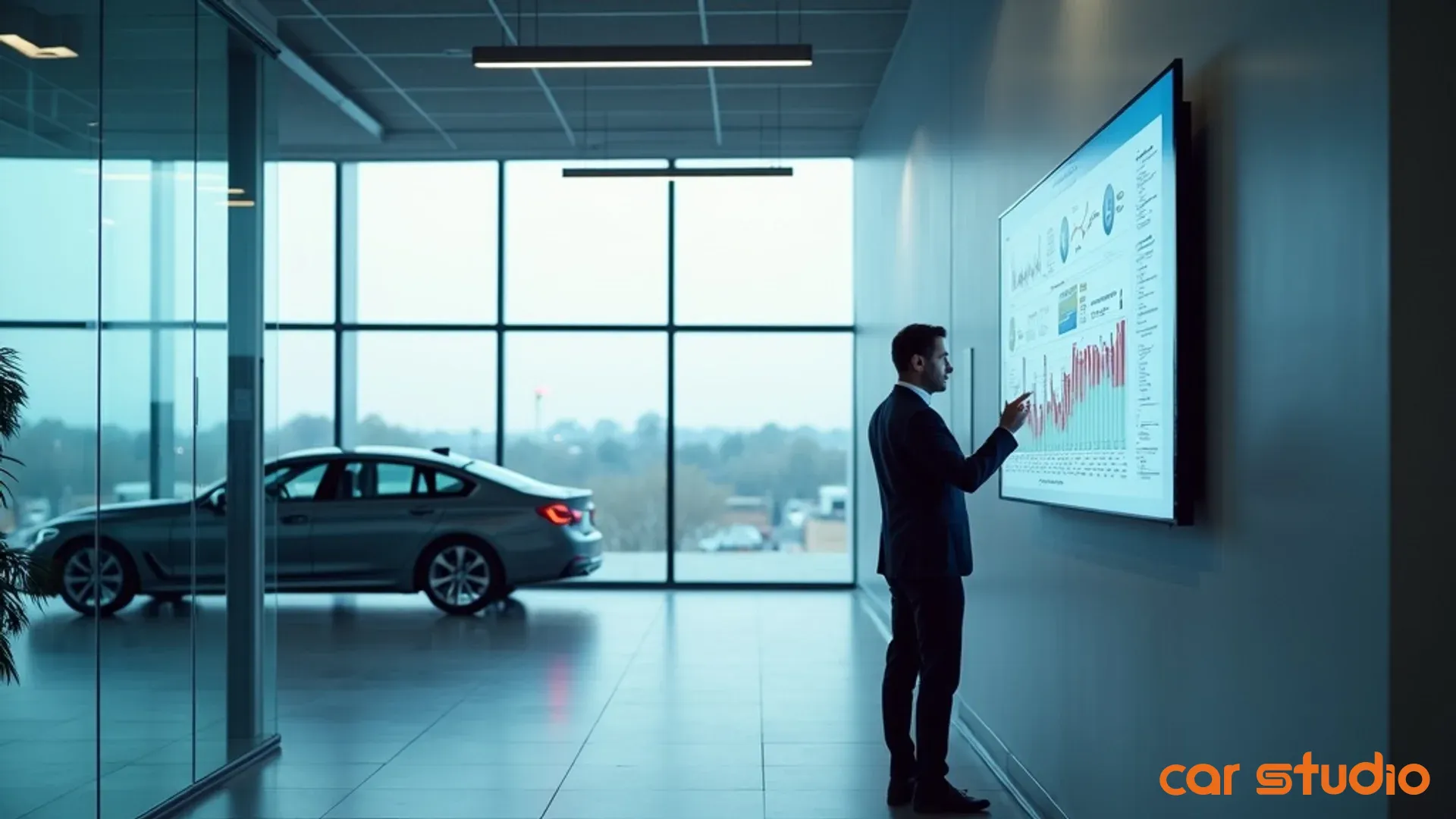

Il manuale AI per il profitto del concessionario: oltre le immagini
Il tuo team di riconsegna è in ritardo. La tua strategia di prezzo è reattiva. I tuoi lead rimangono nel CRM per 18 ore prima che qualcuno li contatti. E mentre tu carichi manualmente le foto e discuti se quel Silverado dovrebbe essere prezzato a $34.995 o $35.500, il tuo concorrente ha appena messo in vendita un'unità comparabile, con foto impeccabili, prezzi allineati al mercato e un'offerta di permuta istantanea sul loro VDP.
Non sono più intelligenti. Sono automatizzati.
Non si tratta di adottare l'AI perché è di moda. Si tratta di tappare le perdite di profitto che ti costano da $200 a $800 per veicolo in margini persi, tempi di rotazione ritardati e opportunità mancate. I concessionari che stanno vincendo in questo momento non stanno discutendo se l'AI funziona. Stanno eseguendo progetti pilota, misurando i risultati e scalando ciò che converte.
Questa guida ti fornisce il manuale operativo che stanno utilizzando. Otterrai un modello di implementazione a fasi, un piano di successo rapido di 14 giorni e il framework decisionale per evitare errori costosi. Nessuna teoria. Solo i passaggi che aumentano il profitto lordo per unità.
Oltre le immagini migliori: i tre pilastri del profitto basato sull'AI
La maggior parte dei concessionari pensa che l'AI significhi foto migliori. È da lì che si inizia, ma non è lì che si trova il denaro. Il vero ROI deriva dalla compressione del tempo, dall'eliminazione dei passaggi manuali e dal prendere decisioni più intelligenti più velocemente di quanto il tuo mercato possa reagire.
Ecco come l'AI influisce sui tre centri di profitto principali della tua attività.
Pilastro 1: Merchandising intelligente (velocità e coerenza)
Il tuo tempo di messa in vendita è più importante di quanto la maggior parte dei direttori generali ammetta. Ogni giorno in cui un'unità rimane in riconsegna o in attesa di foto è un giorno di deprezzamento, interessi sul finanziamento e zero coinvolgimento dell'acquirente. L'AI non rende solo le foto più belle. Le rende istantanee e uniformi.
Un AI photo enhancer può correggere automaticamente l'illuminazione, rimuovere gli sfondi, migliorare i riflessi e aumentare la qualità dell'immagine senza che un fotografo tocchi il file. Scatti l'auto una volta con un telefono. Il sistema gestisce il resto.
Il risultato? Le unità arrivano sul tuo sito web da 48 a 72 ore più velocemente. I tuoi VDP appaiono coerenti su 200 veicoli, non come un patchwork di fotografi diversi, condizioni meteorologiche e livelli di impegno. La coerenza crea fiducia. La velocità aumenta la rotazione dell'inventario.
Ma il merchandising intelligente va più in profondità. L'AI può scrivere descrizioni dei veicoli, suggerire quali caratteristiche evidenziare in base al comportamento di ricerca locale e persino raccomandare quali foto utilizzare come principali su ogni VDP. Non sta sostituendo il tuo team. Sta rimuovendo le decisioni ripetitive che li rallentano.
Pilastro 2: Operazioni dinamiche (prezzi e inventario)
Prezzare un'auto è in parte arte, in parte scienza e in parte gioco d'azzardo. Stai valutando costi, giorni di fornitura, concorrenza locale, stagionalità e sensazioni. La maggior parte dei concessionari prezza una volta, forse due, e spera.
Gli strumenti di pricing basati sull'AI, come vAuto e piattaforme simili, analizzano migliaia di punti dati in tempo reale: inventario concorrente entro un raggio di 50 miglia, da quanto tempo unità simili sono state elencate, prezzi di vendita recenti e segnali di domanda di mercato. Suggeriscono aggiustamenti di prezzo quotidianamente, non settimanalmente.
Il pricing dinamico non significa sconti al ribasso. Significa che sai quando mantenere il prezzo e quando spostare un'unità prima che diventi un inventario obsoleto. La differenza tra una rotazione di 35 giorni e una di 55 giorni è denaro reale. L'AI ti aiuta a rimanere dalla parte giusta di quella linea.
Anche le decisioni sull'inventario diventano più intelligenti. I modelli predittivi possono dirti quali marche, modelli, allestimenti e colori si stanno muovendo nel tuo mercato in questo momento. Smetti di indovinare all'asta e inizi ad acquistare ciò che i dati dicono che venderà in 30 giorni o meno.
Pilastro 3: Coinvolgimento automatizzato (qualificazione dei lead e follow-up)
Il tuo CRM è pieno di lead che non hanno mai ricevuto un secondo contatto. Non perché il tuo team sia pigro, ma perché sono sommersi dal volume e non riescono a capire quali lead sono pronti ad acquistare e quali sono solo curiosi.
L'AI può assegnare un punteggio ai lead in tempo reale in base al comportamento: hanno visitato il VDP tre volte? Hanno usato il calcolatore di pagamenti? Hanno inviato una richiesta di valutazione della permuta? Le azioni ad alta intenzione vengono segnalate. Il tuo BDC o team di vendita si concentra prima su di esse.
Il follow-up automatizzato gestisce il resto. Un sistema basato sull'AI può inviare testi, email e promemoria personalizzati in base alla fase del percorso del cliente. Non sembra robotico perché è addestrato sulla voce della tua concessionaria e si adatta in base alle risposte.
Il risultato? Il tuo team dedica tempo a conversazioni che portano a chiusure, non a inseguire lead freddi. Il tuo tasso di conversione da lead a appuntamento aumenta perché stai rispondendo più velocemente e in modo più intelligente rispetto al concessionario dall'altra parte della strada.
E il bello è questo: l'AI può gestire le richieste fuori orario istantaneamente. Un lead che arriva alle 21:00 riceve una risposta immediata, non una richiamata il giorno dopo quando si è già rivolto altrove.
Il tuo manuale di implementazione: dall'audit alla scalabilità
La maggior parte dei concessionari fallisce nell'adozione dell'AI perché acquista uno strumento, lo accende e si aspetta la magia. Non è così che funziona il cambiamento operativo. Hai bisogno di un approccio a fasi che inizi con la diagnosi, testi con disciplina e scali con prove.
Ecco il modello a quattro fasi che funziona.
Fase 1: Audita il tuo stack tecnologico attuale
Non puoi risolvere ciò che non misuri. Inizia mappando ogni sistema che utilizzi e ogni passaggio manuale nel tuo flusso di lavoro.
Elenca i tuoi strumenti: CRM, DMS, gestione dell'inventario, soluzioni fotografiche, strumenti di pricing, fornitore di siti web, fonti di lead e qualsiasi soluzione puntuale che hai aggiunto. Scrivi cosa fa ogni sistema e dove i dati fluiscono tra di essi.
Ora identifica i colli di bottiglia. Dove le unità rimangono in attesa che qualcuno faccia qualcosa? Dove i lead spariscono? Dove il tuo team dedica tempo a compiti ripetitivi che non richiedono giudizio?
Le perdite di profitto comuni includono:
Scrivi tutto. Questo audit diventa la tua mappa di prioritizzazione.
Fase 2: Lancia un progetto pilota mirato di 30 giorni
Non cercare di automatizzare tutto in una volta. Scegli un problema ad alto impatto e bassa complessità ed esegui un test controllato.
Buoni candidati per il progetto pilota:
Imposta chiari criteri di successo prima di iniziare. Quale metrica dimostrerà che ha funzionato? Tempo risparmiato? Volume di lead? Tasso di coinvolgimento? Profitto lordo per unità?
Esegui il progetto pilota per 30 giorni. Misura quotidianamente. Regola man mano. Se funziona, hai la prova. Se non funziona, hai imparato qualcosa a basso costo.
Fase 3: Misura il ROI rispetto a KPI chiari
Non puoi gestire ciò che non misuri. Definisci i tuoi KPI in anticipo e monitorali religiosamente.
Per l'automazione delle foto, monitora il tempo di messa in vendita, il coinvolgimento VDP (tempo sulla pagina, visualizzazioni foto) e il tasso di invio dei lead.
Per gli strumenti di pricing, monitora i giorni di fornitura, il tasso di rotazione e il profitto lordo per unità.
Per l'automazione dei lead, monitora il tempo di risposta, il tasso di conversione da lead a appuntamento e il tasso di presentazione.
Confronta prima e dopo. Usa numeri reali, non sensazioni. Se il tuo tempo medio di messa in vendita è sceso da 6 giorni a 3,5 giorni e il tuo coinvolgimento VDP è aumentato del 22%, questo è un ROI che puoi presentare al proprietario.
Fase 4: Scala metodicamente le soluzioni comprovate
Una volta che hai dimostrato che una soluzione funziona in un'area, espandila. Ma fallo con disciplina.
Se l'automazione delle foto ha funzionato, estendila a tutto l'inventario, inclusi usato e CPO. Se il punteggio dei lead ha funzionato per una fonte, applicalo a tutte le fonti. Se il pricing dinamico ha funzionato per le auto usate, testalo su nuovo inventario con limiti più stretti.
La scalabilità non significa solo attivare le cose. Significa formare il tuo team, aggiornare le SOP e assicurarsi che il nuovo processo diventi quello predefinito. Questo richiede tempo e ripetizione.
Non aggiungere nuovi strumenti finché non hai completamente integrato quelli che hai. La proliferazione di strumenti è costosa e demoralizzante. Il tuo team smetterà di usare tutto se deve gestire sei accessi e quattro flussi di lavoro.
Vittorie rapide in 14 giorni: crea slancio ora
Non hai bisogno di sei mesi per vedere i risultati. Hai bisogno di due settimane mirate e della disciplina per eseguire.
Ecco un piano di 14 giorni che offre un valore misurabile e crea slancio interno per cambiamenti più grandi.
Giorni 1-7: Automatizza i miglioramenti delle foto
Scegli un editor di foto AI o uno strumento di miglioramento delle foto AI e collegalo al tuo flusso di lavoro di inventario. Se stai utilizzando un sistema come Car Studio AI o una piattaforma simile, la configurazione è solitamente plug-and-play.
Il tuo obiettivo: ogni veicolo che arriva nel tuo piazzale riceve foto elaborate automaticamente. Nessuna attesa per le modifiche. Nessuna incoerenza.
Passaggi:
Misura il risparmio di tempo. Se il tuo fotografo o responsabile del piazzale dedicava 20 minuti per veicolo a modifiche e caricamenti, e ora ne dedica 5, sono 15 minuti per auto. On 50 cars a month, that's 12.5 hours back.
Misura il coinvolgimento VDP. Estrai le tue analisi per la settimana prima e la settimana dopo. Guarda il tempo sul VDP, i clic sul carosello di foto e gli invii di lead. Dovresti vedere un aumento.
Giorni 8-14: Implementa uno strumento di valutazione basato sull'AI
La permuta è un'opportunità di profitto che la maggior parte dei concessionari spreca. I clienti vogliono sapere quanto vale la loro auto prima di visitarti. Se li fai aspettare o li sottovaluti, andranno altrove.
Uno strumento di valutazione basato sull'AI fornisce stime di permuta istantanee e accurate sul mercato direttamente sul tuo sito web. Il cliente inserisce il VIN, risponde a qualche domanda e ottiene un numero. Tu ottieni un lead qualificato con intenzione.
Passaggi:
Confrontalo con la tua base di riferimento. Se ricevevi 5 richieste di permuta a settimana e ora ne ricevi 15, è un aumento del 200%. Anche se solo la metà si converte, hai aumentato il flusso di affari.
La chiave è la velocità. Una valutazione istantanea batte sempre una richiamata il giorno dopo.
Obiezioni comuni e insidie da evitare
Ogni concessionario ha le stesse paure. Affrontiamole direttamente.
Affrontare le paure di sostituzione del lavoro
Il tuo team pensa che l'AI stia arrivando per i loro posti di lavoro. Questa è la prospettiva sbagliata.
L'AI non sostituisce le persone. Sostituisce i compiti. Il lavoro ripetitivo e di basso valore che rallenta le tue persone migliori. Il tuo responsabile del piazzale non ha bisogno di passare un'ora a modificare le foto. Il tuo BDC non ha bisogno di assegnare manualmente un punteggio a 100 lead per trovare i 10 che vale la pena chiamare.
L'AI li libera per fare ciò che gli esseri umani fanno meglio: costruire relazioni, negoziare affari, risolvere problemi e chiudere vendite.
Inquadrala in questo modo. Mostra al tuo team come l'automazione gli restituisce tempo per un lavoro di maggior valore. Coinvolgili nella scelta degli strumenti. Lascia che vedano il beneficio in prima persona.
La resistenza diminuisce quando le persone sentono di ottenere un vantaggio, non di perdere il controllo.
Superare la mentalità del "costa troppo"
Gli strumenti AI non sono gratuiti, ma sono più economici del profitto che stai perdendo.
Fai i calcoli. Se l'automazione delle foto fa risparmiare 12 ore al mese e il tuo responsabile del piazzale guadagna $20 l'ora, sono $240 di manodopera. Se mette le auto online due giorni più velocemente e migliora il tasso di rotazione anche solo del 5%, il guadagno di margine è esponenzialmente più alto.
La maggior parte degli strumenti AI costa tra $200 e $1.000 al mese a seconda della scala e delle funzionalità. Se uno strumento ti fa risparmiare un affare al mese o aggiunge $300 di profitto lordo per unità su 40 vendite, si ripaga molte volte.
Il costo reale non è l'abbonamento. È il costo opportunità di non adottare mentre i tuoi concorrenti lo fanno.
Evitare la trappola della "proliferazione di strumenti"
L'errore più grande che i concessionari commettono è acquistare sei soluzioni puntuali che non comunicano tra loro.
Ti ritrovi con uno strumento per le foto, un altro per i prezzi, un altro per i lead, un altro per le permute e un altro per il follow-up. Il tuo team accede a cinque sistemi, sposta manualmente i dati e nulla si sincronizza.
Questa non è automazione. Questo è caos.
L'approccio migliore: scegli piattaforme anziché soluzioni puntuali quando possibile. Cerca strumenti che si integrino nativamente con il tuo DMS, CRM e sito web. Dai priorità ai fornitori che si integrano bene con il tuo stack esistente.
Se utilizzi soluzioni puntuali, assicurati che abbiano API o integrazioni che le colleghino. I dati dovrebbero fluire automaticamente, non tramite esportazioni e importazioni manuali.
Chiediti: questo strumento riduce i clic e i passaggi manuali, o aggiunge un altro accesso?
Gestire il cambiamento e l'adozione del team
La tecnologia è facile. La gestione del cambiamento è difficile.
Il tuo team non adotterà un nuovo strumento solo perché lo hai acquistato. Lo adotterà se gli renderà il lavoro più facile e tu li riterrai responsabili del suo utilizzo.
Passaggi per un'adozione di successo:
Il cambiamento richiede da 60 a 90 giorni per diventare un'abitudine. Sii paziente ma persistente.
Scalare il tuo vantaggio: l'ecosistema AI integrato
Una volta che hai dimostrato che l'AI funziona in aree isolate, il passo successivo è l'integrazione. È lì che risiede il vero vantaggio competitivo.
Collegare i dati di vendita e assistenza
La maggior parte delle concessionarie gestisce vendite e assistenza come pianeti separati. Il tuo servizio sa che un cliente sta arrivando per un servizio di 60.000 miglia su un veicolo di sette anni, ma il tuo team di vendita non ha idea che questa sia un'ottima opportunità di permuta.
L'AI può collegare questi punti. Quando i dati di servizio confluiscono nel tuo CRM, puoi attivare un'attività di outreach automatizzata: "Abbiamo notato che il tuo veicolo sta accumulando chilometri. Curioso di sapere quanto vale? Ottieni una stima istantanea qui."
Questo non è invadente. È utile. Ed è perfettamente sincronizzato.
La stessa logica si applica al contrario. Se qualcuno acquista un'auto da te, il tuo team di assistenza dovrebbe saperlo immediatamente. I promemoria per il primo cambio dell'olio, i pacchetti di manutenzione e le offerte fedeltà dovrebbero essere automatici.
L'integrazione trasforma le transazioni una tantum in relazioni durature.
Passare dall'inventario reattivo a quello predittivo
In questo momento, la maggior parte dei concessionari acquista l'inventario in base all'istinto, alla disponibilità all'asta e a ciò che si trova nei piazzali dei concorrenti.
L'AI ribalta questo. Gli strumenti di inventario predittivo analizzano il comportamento di ricerca locale, i giorni di fornitura, le tendenze dei prezzi e la domanda stagionale per dirti cosa immagazzinare prima che tu ne abbia bisogno.
Smetti di reagire al mercato. Inizi ad anticiparlo.
Se i dati dicono che i SUV di medie dimensioni con terza fila di sedili stanno aumentando nella tua zona e l'offerta si sta riducendo, acquisti aggressivamente ora prima che i prezzi salgano. Se dicono che le berline di lusso stanno rallentando, le eviti o le prezzi per venderle velocemente.
Questo non è indovinare. È un acquisto basato sui dati. E influisce direttamente sul tuo tasso di rotazione e sul profitto lordo per unità.
Creare un profilo dati cliente unificato
Il tuo cliente interagisce con te attraverso più punti di contatto: visite al sito web, visualizzazioni VDP, moduli di lead, telefonate, visite allo showroom, appuntamenti di servizio ed email di follow-up.
La maggior parte delle concessionarie traccia queste interazioni in silos. Il tuo fornitore di siti web ha un set di dati. Il tuo CRM ne ha un altro. Il tuo DMS ne ha un altro. Nessuno vede il quadro completo.
Le piattaforme basate sull'AI possono unificare questi dati in un unico profilo cliente. Vedi ogni interazione, ogni segnale di comportamento e ogni indicatore di intenzione in un unico posto.
Ciò significa che il tuo team di vendita sa che un cliente ha visitato il VDP cinque volte, ha usato il calcolatore di pagamenti, ha inviato una stima di permuta e ha aperto tre email di follow-up prima ancora di entrare in concessionaria.
Non stai partendo da zero. Stai riprendendo una conversazione già in corso. Questo è un enorme vantaggio.
Smetti di perdere profitto a causa dei processi manuali
L'AI non è una bacchetta magica. È un set di strumenti. Usato correttamente, comprime il tempo, elimina gli sprechi e ti aiuta a prendere decisioni migliori più velocemente della tua concorrenza.
I concessionari che vinceranno nei prossimi tre anni non saranno quelli con i budget pubblicitari più grandi o le migliori posizioni. Saranno quelli che operazionalizzano l'intelligenza, automatizzano i compiti a basso valore e liberano i loro team per concentrarsi su ciò che effettivamente genera profitto lordo.
Non hai bisogno di rivoluzionare la tua intera attività da un giorno all'altro. Devi iniziare con un'area ad alto impatto, dimostrare che funziona e scalare metodicamente.
Scarica la nostra Checklist di Audit Tecnologico gratuita per identificare le tue maggiori perdite di profitto e dare priorità a dove iniziare. Usa il nostro calcolatore di ROI per stimare l'impatto finanziario dell'automazione di un solo flusso di lavoro.
Pronto a mettere in pratica questo manuale? Scopri come una piattaforma integrata risolve queste sfide e accelera i tuoi risultati senza aggiungere proliferazione di strumenti o complessità.
Smetti di discutere se l'AI funziona. I tuoi concorrenti lo sanno già. La domanda è se ti metterai al passo o rimarrai ancora più indietro. Pianifica una demo per vedere l'intero framework operativo in un unico sistema e inizia a colmare il divario oggi stesso.